




Government and the Uganda Manufacturers Association (UMA) have reaffirmed their commitment to strengthening Uganda’s manufacturing sector as a key driver of economic transformation, job creation and export growth.
The commitment was made during an engagement between the Ministry of Finance, Planning and Economic Development and UMA, led by Finance Minister Hon. Henry Musasizi, alongside Hon. Amos Lugoloobi and Hon. Cissy Mulondo.
Minister Musasizi said manufacturing remains a critical pillar of Government’s 10-fold economic growth strategy, given its potential to increase domestic production, create jobs, expand exports, grow tax revenues and reduce the country’s dependence on external borrowing.
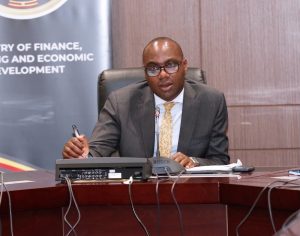
He said Government would continue working to create an enabling environment for businesses through investments in peace and security, infrastructure, supportive policies, market access and a stable investment climate.
UMA Chairman Aga Sekalala Jr. said the manufacturing sector contributes more than 16.5 percent of Uganda’s GDP, provides approximately two million direct jobs, accounts for about 25 percent of manufactured exports and contributes more than 33 percent of domestic tax revenues.
He described manufacturers as strategic partners in Uganda’s economic transformation and called for stronger and more structured engagement between Government and the private sector.
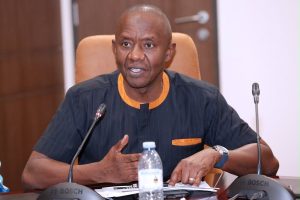
UMA proposed the establishment of a MoFPED–UMA Technical Coordination Committee to strengthen policy dialogue and facilitate early consultation on fiscal, tax and broader economic policies affecting the manufacturing sector.
The Association also presented its “Big Five Agenda”, highlighting key constraints to industrial growth, including high energy costs, inadequate industrial infrastructure, access to affordable financing, market access, skills gaps and trade facilitation challenges.
Both sides agreed that a strong public-private partnership is essential to accelerating industrialisation, expanding Uganda’s export base, creating quality jobs and building a more resilient economy.
When manufacturing grows, Uganda grows; what is good for manufacturing is good for the economy.