


Munyonyo — Uganda has reaffirmed its commitment to liberalising the aviation sector and strengthening fair competition frameworks as part of efforts to deepen Africa’s air transport integration under the Single African Air Transport Market (SAATM).
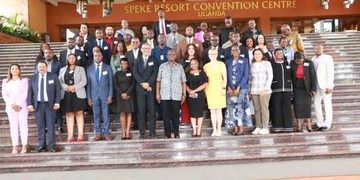
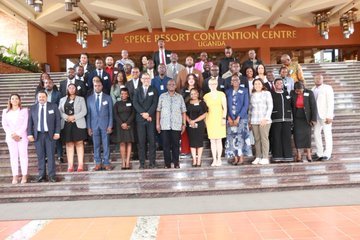
The commitment was made during the opening of a three-day continental workshop on “Drafting, Revising, and Implementing Competition Regulations in Air Transport Services in Africa” held at Speke Resort Munyonyo on Wednesday, May 6, 2026.
The workshop, organised by the African Civil Aviation Commission in partnership with the McGill Institute of Air and Space Law and funded by the European Union Aviation Safety Agency, brought together aviation regulators, legal experts and representatives of regional economic communities from across the continent.
Speaking at the opening ceremony, Uganda Civil Aviation Authority Director General Fred Bamwesigye described aviation as a critical engine for economic growth, trade, tourism and regional integration in Africa.
“While liberalisation has opened up Africa’s skies, open skies must be matched with fair competition,” he said, cautioning that market liberalisation alone would not guarantee equitable growth within the sector.

Bamwesigye noted that as African countries open up their airspaces through initiatives such as SAATM and the African Continental Free Trade Area, governments must also establish robust competition safeguards to prevent unfair market practices and protect consumers.
“Without clear and enforceable competition regulations, liberalisation could create imbalances that disadvantage some players and weaken public confidence in the aviation industry.”
Uganda, though not yet a full member of SAATM, has already taken several steps toward aligning with the continental framework.
Bamwesigye said Uganda has implemented measures, including multiple airline designations, unlimited flight frequencies, and fifth-freedom traffic rights on regional routes, allowing airlines greater operational flexibility within the region.
He added that carriers such as RwandAir and Kenya Airways are already benefiting from the liberalised arrangements. “Uganda is also strengthening its legal and regulatory systems to support a more transparent and competitive aviation market.”

Among the reforms highlighted was the enactment of Uganda’s Competition Act in 2024 and the establishment of a Consumer Protection Unit within the Uganda Civil Aviation Authority.
He further revealed that draft Civil Aviation Competition and Consumer Protection Regulations aligned with continental standards have already been prepared and are expected to come into force by June 2026.
Bamwesigye said consultations on Uganda’s accession to SAATM are nearing completion, with the government expected to table a Cabinet memorandum on the matter in the coming months.
He acknowledged that uneven implementation of competition regulations across African countries continues to slow the continent’s aviation integration agenda, making the Munyonyo workshop especially important.

According to him, the training provides an opportunity for regulators and legal experts to strengthen technical capacity, exchange best practices and develop practical tools for harmonised enforcement of competition rules across African air transport markets.
He also commended AFCAC and its development partners for supporting African states in building stronger aviation regulatory systems and urged SAATM signatory countries to accelerate full implementation of the framework. “Uganda remains committed to building a fair, transparent and competitive aviation industry that can contribute meaningfully to Africa’s economic transformation and regional integration goals.”