


The Ministry of Tourism, Wildlife and Antiquities (MTWA) has commenced consultations with key industry players as it prepares amendments to the existing law that established key institutions, including the Uganda Tourism Board (UTB) and the Tourism Development Fund.
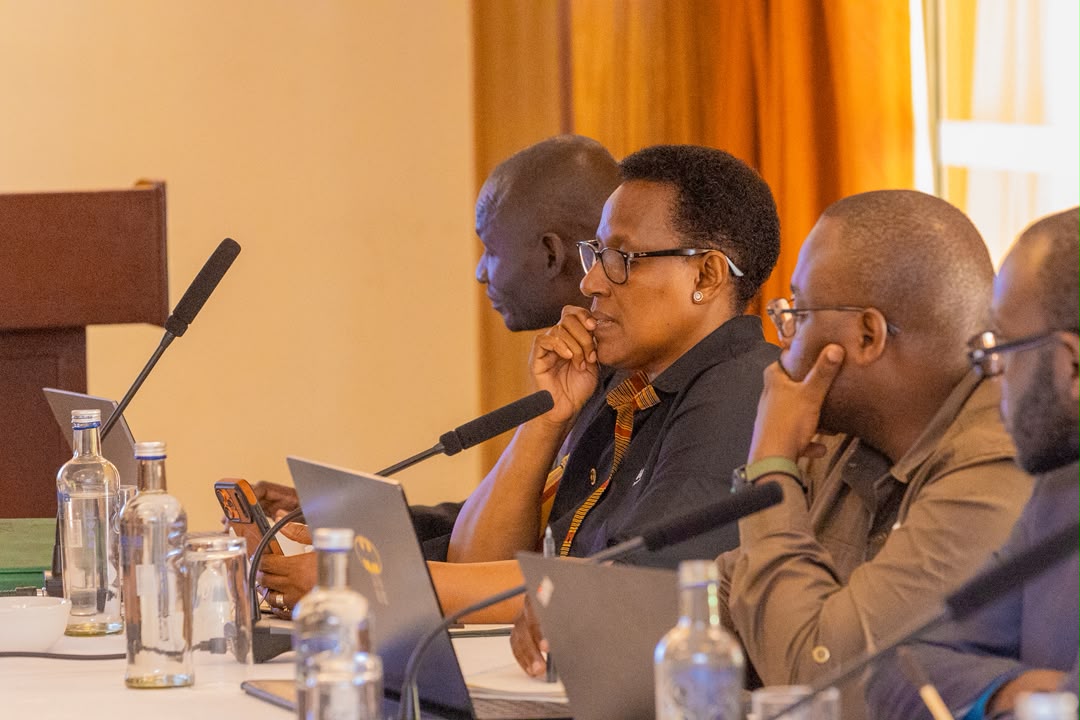
Speaking during a stakeholder engagement held at Kampala Serena Hotel, Vivian Lyazi, Commissioner, Tourism Development at the Ministry ot Tourism, said the proposed reforms are aimed at creating a more competitive and sustainable tourism industry capable of contributing significantly to Uganda’s economic transformation.
He noted that tourism has been identified as one of the country’s priority growth sectors under the National Development Plan, and that it requires supportive policies and legislation to unlock its full potential. “The tourism industry is growing exponentially and has been identified as one of the growth sectors that will deliver the National Development Plan. Government is working on policy and legislative changes to ensure tourism becomes a more competitive industry,” Lyazi said.
He explained that the review of the Tourism Act is intended to address emerging areas that were not adequately captured in the 2008 legislation, including sustainability, green tourism, digital transformation, and the growing role of technology and artificial intelligence in tourism promotion and service delivery.
Lyazi added that the review process is also examining the working relationship between government institutions, the private sector, local governments, and tourism agencies to ensure better coordination in developing the sector.
During the consultations, tourism stakeholders emphasised the need for stronger private sector representation in decision-making processes, arguing that businesses operating on the ground have critical insights that should inform tourism policies.
Industry players have previously raised concerns that while the Tourism Act, 2008 established important structures for sector development, it did not provide a strong enough framework for private sector involvement in policy formulation and implementation.
These have called for greater recognition of tourism associations, particularly the Uganda Tourism Association (UTA), as key partners in shaping regulations and coordinating industry activities.
They argue that empowering private sector bodies would help bridge the gap between policy decisions and realities faced by tour operators, travel agents, accommodation providers, and other tourism players.
Mavis Neema, Tourism Development Officer at the Ministry of Tourism, said the proposed amendments seek to strengthen the role of local governments in tourism development while maintaining national oversight and coordination.
She explained that the revised legislation aims to empower district tourism offices to support tourism development at the grassroots level, improve quality assurance, and promote balanced growth across the country.
“We are looking at bridging the gap between central government and local government in terms of how tourism is developed. We want local government tourism offices to take on stronger roles in tourism development and quality assurance while the ministry maintains oversight and coordination,” she said.
She added that the ministry has undertaken extensive consultations with various stakeholders, including local governments, tourism associations, tour operators, travel agents, and other government institutions.
The consultations have covered different regions, including districts such as Kitgum, Mbale, Kalangala, and Kabale, as the government seeks to develop legislation that reflects the needs of the entire tourism ecosystem.
As the consultation process concludes, MTWA is expected to consolidate stakeholder views and prepare the proposed bill for Cabinet consideration before it is presented to Parliament for debate and approval.
The revised Tourism Act is expected to provide a modern legal framework that positions Uganda’s tourism sector for sustainable growth, increased investment, and stronger global competitiveness.