



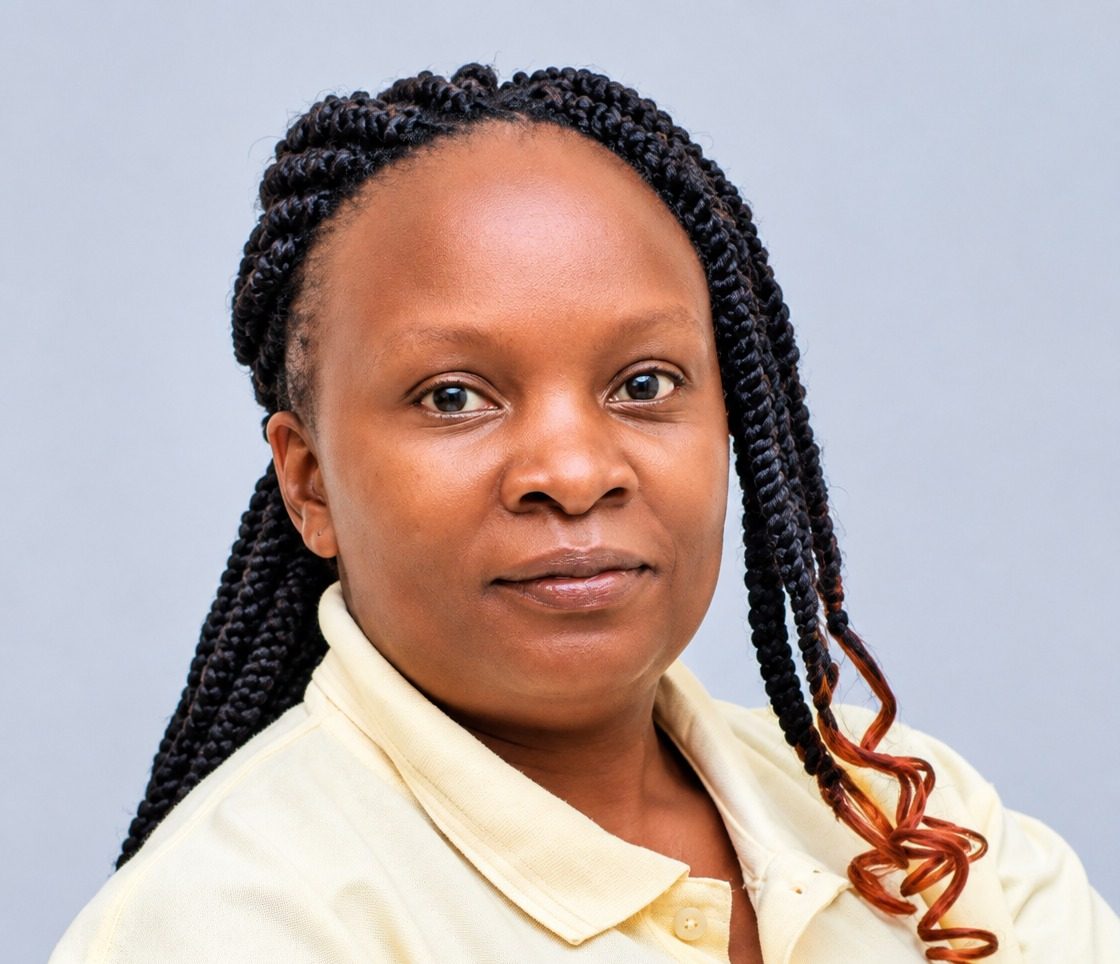
By Unia Nakityo
Every school morning begins with familiar scenes: learners arriving through the gates, assemblies taking shape, greetings exchanged, and teachers preparing to welcome their classes.
These routines may appear ordinary, but behind them lies an extraordinary responsibility: preparing a generation of young Ugandans to learn, grow and contribute meaningfully to society.
At the centre of that responsibility is the teacher.
The World Teachers’ Day commemoration under the theme “The Teacher at the Heart of Quality Education,” we should look beyond celebration and ask a more important question: what does it take to ensure that every teacher is equipped and supported to give every learner the education they deserve?
The evidence is clear. UNESCO’s 2024 Global Report on Teachers projects a global shortage of 44 million primary and secondary teachers by 2030, including 15 million additional teachers needed in sub-Saharan Africa. The report also found that global primary teacher attrition almost doubled between 2015 and 2022, rising from 4.6% to 9%.
These figures are not simply statistics. They speak to the reality of classrooms where teachers are expected to do more, often with limited time, resources, and support.
Uganda’s education system reflects the scale of the challenge. The Ministry of Education and Sports 2025 Education Statistics Abstract reports over 2 million learners enrolled in secondary education and 64,975 secondary school teachers. Of these teachers, 62.5% are employed in public schools and 37.5% in private schools. This translates to approximately 31 learners per teacher, highlighting the scale of responsibility placed on teachers across the country.
The numbers remind us that quality education cannot be separated from the people delivering it. It is a recognition of the central role teachers play in shaping the quality of education and, ultimately, the future of our country.
A curriculum can define what learners should know and do, but teachers bring that curriculum to life. They recognise when a learner is struggling, encourage those who lack confidence, challenge those capable of going further, and create environments where young people feel seen and valued.
Their influence also extends beyond academic achievement. Teachers help develop character, discipline, resilience, responsibility, creativity and respect. In many communities, they are trusted mentors, role models and advocates for children.
Yet the profession itself is changing. Technology and artificial intelligence are reshaping how knowledge is accessed and how teaching can be delivered. At the 2025 World Summit on Teachers, UNESCO and education stakeholders highlighted the need to strengthen teachers’ digital and AI competencies through continuous professional development, while ensuring technology enhances rather than replaces the human relationship at the centre of learning.
his means teachers must remain learners themselves.
Professional excellence requires teachers to reflect on their practice, collaborate with colleagues, experiment with new approaches, and continuously develop their skills. For school leaders, this means creating cultures where teachers are supported to learn, innovate, and improve rather than simply being expected to deliver.
Investment in teachers must therefore go beyond recruitment. It must include meaningful professional development, appropriate teaching resources, supportive leadership, opportunities for collaboration, recognition, and attention to teacher wellbeing. UNESCO’s 2024 report similarly calls for better working conditions, professional development, and greater teacher involvement in decision-making.
For us at the PEAS School Network, this is both a responsibility and a commitment. If we are serious about improving learning outcomes, we must invest in the people who make learning possible. We must develop the people who develop our learners.
To every teacher: thank you for the lessons prepared, books marked, extra explanations given and countless conversations that may never appear in a school report. Thank you for believing in learners who sometimes struggle to believe in themselves.
Buildings, Books, Technology, and Policies matter. But when a learner sits before an educator and learning takes place, the teacher matters most.
The writer is the Head of the 30 School Network at PEAS Uganda.