


KAMPALA — Uganda’s Buy Uganda, Build Uganda (BUBU) campaign may have succeeded in encouraging consumers to think about locally made products, but the next challenge is ensuring those products are actually available where purchasing decisions are made.
The issue has been highlighted by a recent discussion on social media after a TikTok post by a Ugandan producer Bella Wine raised questions about whether local businesses are receiving enough support to benefit from the BUBU campaign.
The conversation was triggered by a reported experience involving tourists staying at a guest house in Entebbe who asked for a Ugandan-made wine but were reportedly offered imported alternatives.
While the example centred on one product category, it raised a broader question about the accessibility of Ugandan-made goods.
If consumers want to buy Ugandan products but cannot find them, can BUBU achieve its full potential?
For Moses Byaruhanga, Venture Lead at Made In Uganda (MIU), the challenge is increasingly about connecting local production to the places where consumers already shop.
“BUBU becomes stronger when the call to buy Ugandan is backed by systems that make Ugandan products easier to discover and purchase. Producers need more than visibility. They need routes into the places where customers are already making buying decisions,” Byaruhanga said.
The distinction is significant.
A campaign can persuade consumers to support local manufacturers, but that support can disappear at the point of purchase if the desired product is unavailable in supermarkets, hotels, shops, online marketplaces or other retail outlets.
The problem is therefore not necessarily a lack of demand or production; it can be a gap between the two.
Beyond patriotic buying
The discussion also exposed another reality: Ugandan consumers are unlikely to choose local products purely because they are Ugandan.
Quality, price, packaging, reliability and convenience continue to influence purchasing decisions.
This places responsibility on both producers and the wider market.
Manufacturers need to improve their products and presentation while retailers, hospitality businesses and distribution networks need to make locally produced goods easier to find.
A Ugandan product may be competitive in quality but still struggle commercially if consumers rarely encounter it.
This is particularly important for small and emerging enterprises that may have successfully developed products but lack access to established distribution channels.
For such businesses, social media can create awareness, but awareness alone does not guarantee sales.
Making Uganda easier to find
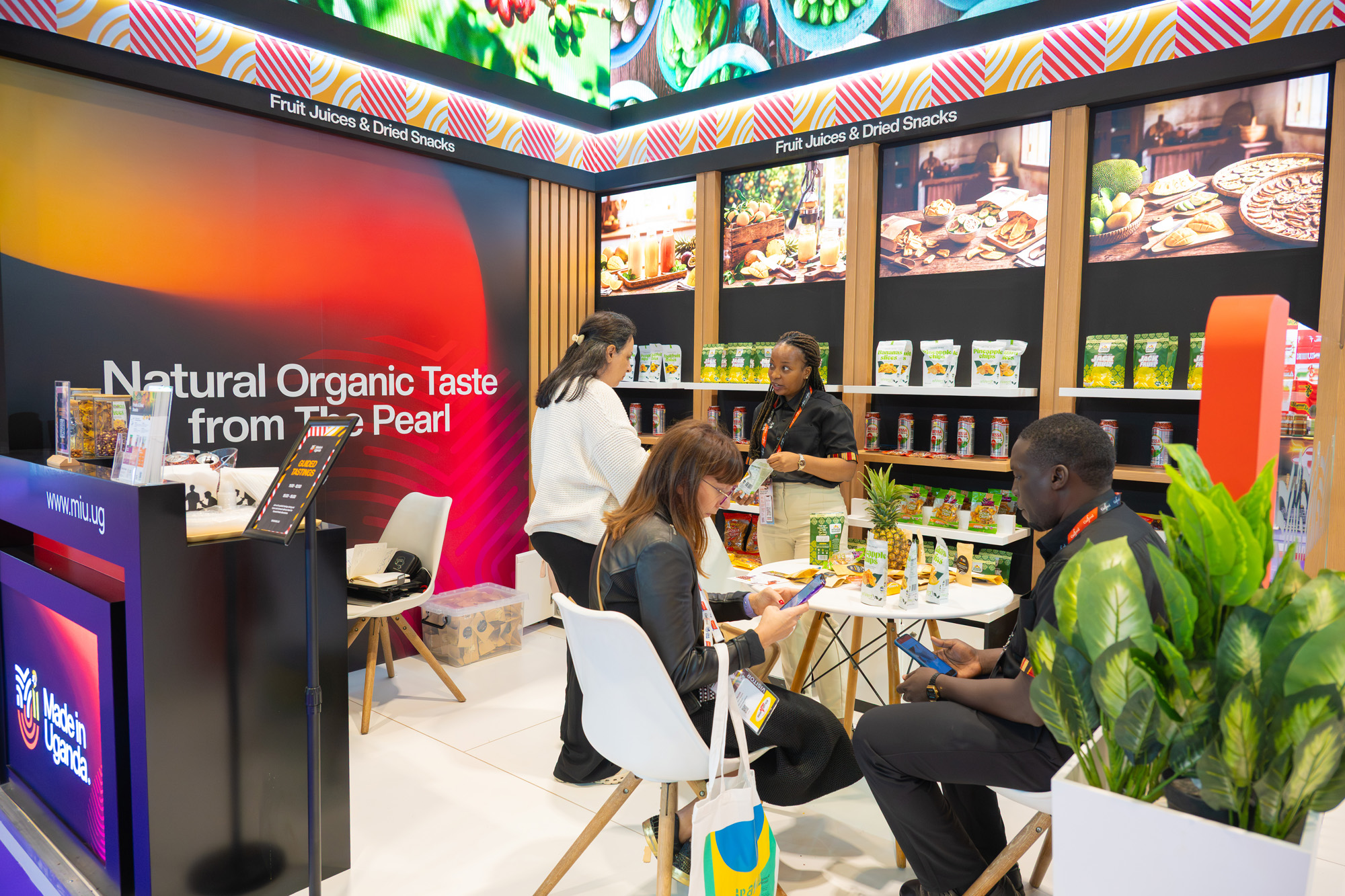
Made In Uganda says it is seeking to address part of this challenge by connecting Ugandan producers to consumers through digital commerce, physical retail, fulfilment and delivery.
The broader objective is to create more points of contact between local manufacturers and buyers.
The approach shifts the conversation from simply telling Ugandans to “buy Uganda” to asking whether Uganda’s products are sufficiently visible and accessible in the first place.
“Find Uganda” therefore becomes a complementary idea to BUBU: if Ugandans are being encouraged to buy locally, local products should be present where they already make purchasing decisions.
This includes supermarkets, hospitality establishments, tourism facilities, corporate procurement, online platforms and neighbourhood retail outlets.
The issue extends across sectors, from food and beverages to clothing, furniture, cosmetics, construction materials, household products and manufactured goods.
A small producer may need access to supermarkets or hospitality businesses, while a larger manufacturer may be looking for institutional procurement contracts or new distribution networks.
The route differs, but the underlying problem is similar: market access.
The missing link in BUBU
The debate around local procurement has existed for years, but the market-access question gives it a practical dimension.
It is one thing to tell consumers to support Ugandan businesses.
It is another to ensure that when they walk into a shop, check into a hotel, visit a supermarket or search online, they can actually find competitive Ugandan alternatives.
That requires more than advertising. It requires distribution, retail partnerships, reliable supply chains, digital visibility and consistent product standards.
It also requires producers to understand that being locally made is an advantage, but not a substitute for quality.
Byaruhanga argues that the next phase of BUBU should therefore concentrate on building the infrastructure around local production.
The objective is not to make consumers feel guilty for choosing imported products, but to make Ugandan products sufficiently accessible and competitive that choosing them becomes an easy decision.
The social media discussion may have begun with a specific product, but the underlying question is much larger.
Where is Uganda when Ugandans are ready to buy?
If locally made products remain difficult to find, BUBU risks becoming a campaign about intention primarily.
If those products become visible, accessible and competitive, the campaign can become a functioning market system.
That is the journey from Buy Uganda to Find Uganda.
Consumers can discover a range of Ugandan-made products through the Made In Uganda marketplace and at the Made In Uganda Supermarket at UMA.