


KAMPALA — Uganda is being urged to rethink its malaria strategy as doctors warn of a growing burden of severe disease among school-age children and adolescents, increasing pressure on existing medicines and the need for faster treatment of patients who deteriorate rapidly.
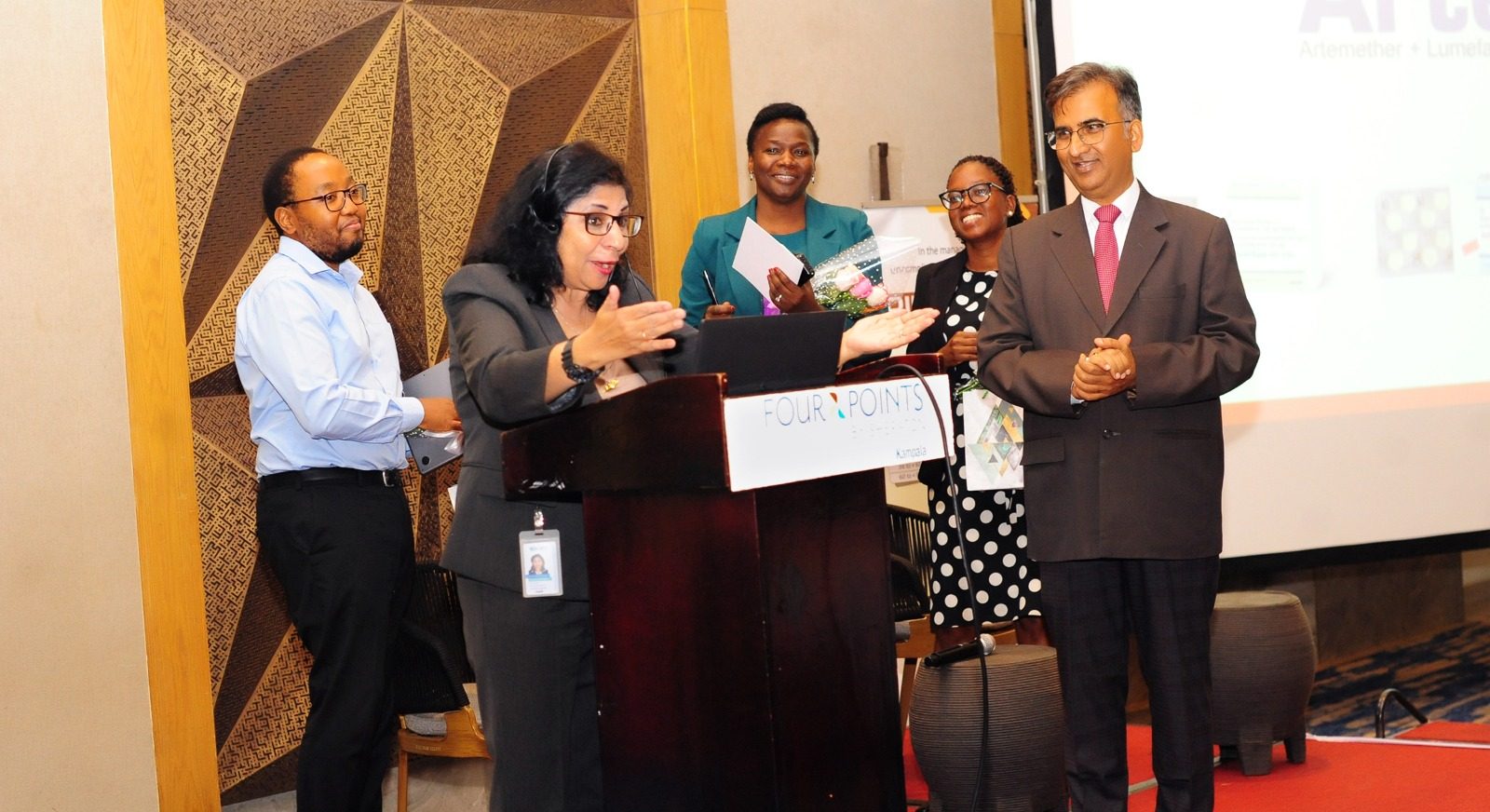
The warning was made during a Continuing Medical Education session on “Emerging Malaria Strains & Evolving Management Strategies” held at Four Points Hotel, Kampala, on Thursday.
The event was organised by Ajanta Pharma Limited, an Indian pharmaceutical company that manufactures generic medicines, including antimalarial drugs used in Uganda.

Led by its Managing Director, Yogesh Agrawal, the company’s involvement comes as Uganda continues to update its malaria treatment guidance, with the Ministry of Health currently publishing guidance on artemether-lumefantrine, dihydroartemisinin-piperaquine and treatment failure.
Ajanta Pharma’s primary antimalarial brand is Artefan, an artemether and lumefantrine combination available in multiple strengths as a generic equivalent to Novartis’s Coartem.
Additionally, the company produces Ridmal, a dihydroartemisinin and piperaquine formulation that serves as a second-line ACT option in Uganda.
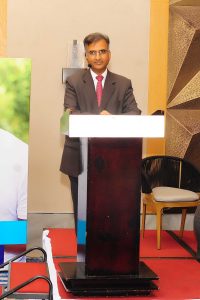
Dr Jane Achan, a Ugandan paediatrician, infectious diseases researcher and malaria specialist, said although children under five continue to bear the greatest burden, evidence from Uganda and other African countries shows that older children can no longer be ignored.
“There is really an escalating burden in the older children. And this has not been reported in Uganda alone. It’s really been reported in many African countries,” Achan said.
She said Plasmodium falciparum, responsible for most severe malaria in Africa, can cause life-threatening complications within a short period, making rapid diagnosis and treatment critical.
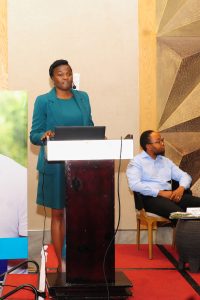
“Even when you intervene, mortality is about 10 to 20 percent,” she said. “So it’s really important that our actions are very fast.”
Achan said children aged five to 16 are emerging as an important risk group because many have had limited exposure to malaria and therefore have less acquired immunity.
“We can no longer ignore this age group. So the school-age group is now also an important priority,” she said.

She urged health workers to recognise severe malaria through complications including impaired consciousness, seizures, severe anaemia, respiratory distress, hypoglycaemia and acute kidney injury.
Achan said injectable artesunate remains the cornerstone of severe malaria treatment and should be administered without delay.
“Give IV artesunate until a patient is able to tolerate oral therapy,” she said, stressing that patients should receive at least 24 hours of intravenous treatment even when they improve earlier.

She also urged clinicians to complete treatment with oral combination therapy to eliminate residual parasites and reduce the risk of drug resistance.
Dr Catherine Maiteki-Sebuguzi, a public health physician and malaria specialist with more than 20 years’ experience in research, policy and programme management, said Uganda is already changing how it treats uncomplicated malaria because of growing concerns about resistance.
“We call it multiple first-line treatment,” Maiteki-Sebuguzi said. “So you will not hear us saying the first-line treatment for uncomplicated malaria is artemether-lumefantrine. No.”
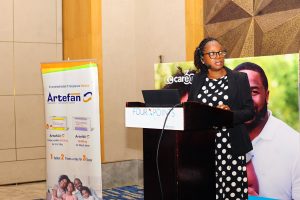
She said different recommended artemisinin-based combination therapies are being used to reduce pressure on a single medicine.
“It’s now looking more like how we do antibiotics. There are many circulating, so we preserve the effectiveness of those drugs.”
The strategy, she said, is also intended to give researchers time to develop new antimalarial medicines. “We are buying time. It slows resistance. It maintains the options for treatment. It allows better outcomes,” she said.
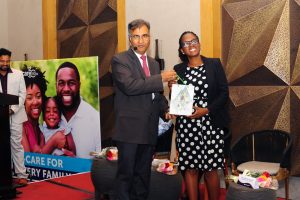
Maiteki-Sebuguzi also urged wider use of Uganda’s malaria vaccine, particularly through private health facilities. “The malaria vaccine is here. It’s with us. We have it available in the public sector,” she said.
She said health workers in districts including Iganga and Karamoja were beginning to report fewer cases of severe malaria among young children who had received the vaccine.
But she warned that lower-transmission areas could be overlooked even though children there may be more vulnerable because they have had less exposure to malaria.
Maiteki-Sebuguzi also urged doctors to pay greater attention to children travelling from low-transmission areas to malaria-endemic parts of the country during holidays.
“We forget that these children are not like us,” she said, calling for greater consideration of malaria prophylaxis for such travellers.
Dr Pritch Kagera Kabata, a physician and intensivist, focused on what happens when malaria becomes life-threatening and reaches intensive care.
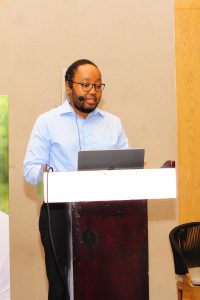
He explained that P. falciparum causes infected red blood cells to become trapped in the body’s smallest blood vessels, triggering inflammation, endothelial damage and eventually multi-organ failure.
“That literally leads to multi-organ dysfunction, and that is why severe malaria presents like sepsis,” Kabata said.
He said cerebral malaria can cause swelling of the brain, seizures and impaired consciousness, while patients may also develop respiratory, renal and haematological complications.

Kabata warned against prophylactic phenobarbitone in children with cerebral malaria, saying evidence from a Kenyan trial linked it to increased respiratory depression and death.
He also cautioned against routine use of mannitol and hypertonic saline to treat cerebral swelling, citing newer evidence showing no survival benefit and possible harm in some children.
Dr Juma Fauz Kavuma, Director of Medical Services at C-Care Uganda, said the meeting was intended to bring specialists together to confront the changing malaria challenge.

“The passion remains to ensure that accessibility to care by the right specialist is happening,” Kavuma said.
Introducing the speakers, Kavuma described Kabata as an intensivist and said he had prepared a patient journey to demonstrate the realities of managing severe malaria.
For Uganda, that future increasingly appears to depend on recognising that malaria is changing — and that the patients most at risk may no longer be only the children the health system has traditionally been trained to look for.