


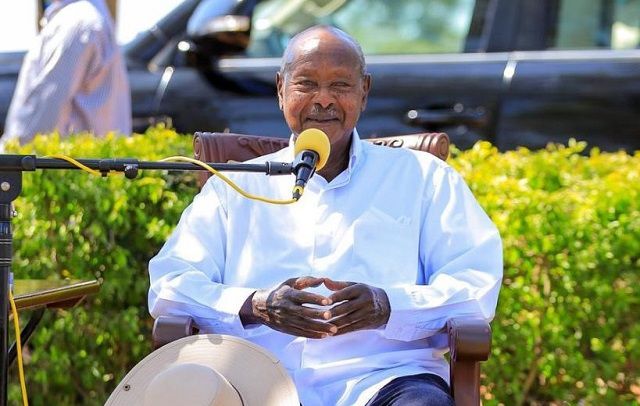
KAMPALA, April 30, 2026 — President Yoweri Kaguta Museveni has moved to calm public concern over the proposed Sovereignty Bill, insisting it will not interfere with foreign investment, remittances, or private financial flows into and out of Uganda.
In a detailed statement addressed to citizens, the President said he had already engaged key government figures to ensure the legislation remains narrowly focused.
“I have talked to Hon. Hamson Obua and the Chairpersons of the relevant Parliamentary Committees to make the Bill concentrate on the Sovereignty of policy-decision-making and not to meander in the areas of the freedom of private enterprise transfers or private money transfers or church donations,” Museveni said.
His remarks come amid growing public debate and what he described as “noise” surrounding the intent of the bill, with some critics claiming it could restrict foreign direct investment (FDI), diaspora remittances, and external support to religious institutions.
Museveni dismissed those claims outright. “The Bill will stop FDIs, support for religious bodies from abroad, remittances from Ugandans working abroad… Really!! That is not the Bill I initiated,” he said.
Instead, the President framed the proposed law as part of a broader historical struggle for African independence and self-determination, tracing its roots to anti-colonial movements across the continent.
“It is that Sovereignty that we were fighting for… Sovereignty in policy decision-making,” he explained. “Please, muteleke (leave us alone), so that we make our own decisions.”
According to Museveni, the bill is intended to prevent external actors from influencing Uganda’s internal policy choices through funding or other means. He cited areas such as political systems, social values, economic policies, and foreign relations as matters that should remain under national control.
At the same time, he emphasised that Uganda will maintain its liberal economic framework. “None of them says: do not send to Uganda or take out of Uganda money you have earned legally anywhere in the world,” he said. “We run a free economy… The freedom of the private sector is the strength of the Ugandan economy.”
The President argued that open financial flows and private enterprise have helped sustain economic growth despite challenges such as corruption and political opportunism.
He also used the statement to highlight Uganda’s agricultural successes, referencing the revival of Ankole cattle as an example of locally driven innovation supported by international partnerships.
“Therefore, the NRM cannot countenance interference with the freedom of movement of capital and money into or out of Uganda,” Museveni said. “That is our insurance… and our main instrument for growth and socio-economic transformation.”
In a closing appeal, Museveni cautioned against coercive or manipulative forms of influence, urging both domestic and foreign actors to lead by example instead. “Influence people by example and not by coercion or manipulation,” he said, quoting from the Bible.
The Sovereignty Bill is expected to be tabled and scrutinised by Parliament in the coming weeks, with lawmakers now under pressure to clarify its scope amid heightened public interest.