


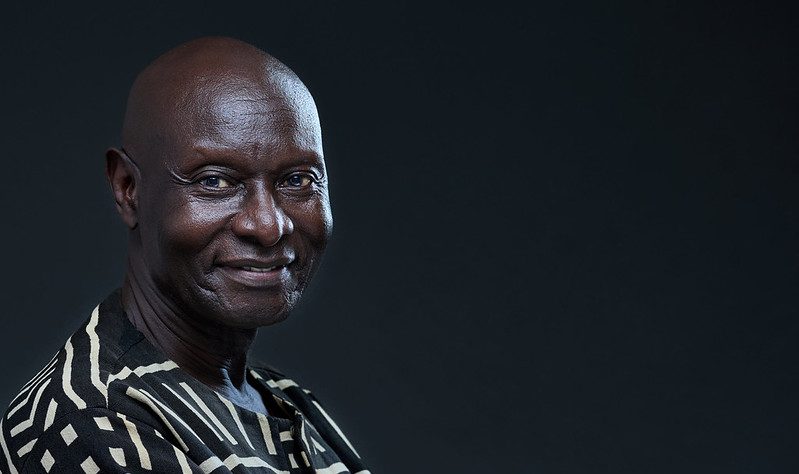
KAMPALA — Uganda’s candidate for United Nations Secretary-General, Ambassador Olara Otunnu, is scheduled to participate in an interactive dialogue with the UN General Assembly on Wednesday, August 19, as his campaign enters a critical phase in the race to succeed António Guterres.
Otunnu is expected to engage UN member states in a three-hour dialogue beginning at 3:00 p.m. New York time on Wednesday. The engagement is part of a series of interactions with the UN’s principal organs ahead of the selection of the organisation’s next Secretary-General.
Uganda formally nominated Otunnu on July 24, making him the seventh declared candidate in the race. The UN’s official selection page lists Otunnu among the candidates and provides his nomination documents, vision statement and curriculum vitae.
Uganda’s Foreign Affairs minister, Ambassador Adonia Ayebare, announced earlier this month that Otunnu would travel to New York to meet member-state delegations and participate in interactive dialogues with the General Assembly on August 19 and the Security Council on August 20.
The General Assembly engagement will allow Otunnu to present his vision for the world body and respond directly to questions from member states at a time when the UN is facing growing pressure over conflicts, institutional reform and its ability to respond to emerging global challenges.
Otunnu has made UN reform, conflict prevention and resolution, Security Council reform, artificial intelligence governance, climate action and the restoration of the UN’s moral authority central themes of his campaign.
Speaking in Kampala after Uganda unveiled his candidature, Otunnu said the Secretary-General must draw authority from the UN Charter and the collective membership of the organisation and its peoples.
The former UN Under-Secretary-General brings extensive experience within the organisation to the contest. He served as Uganda’s Permanent Representative to the UN from 1980 to 1985 and later served as UN Under-Secretary-General and Special Representative for Children and Armed Conflict from 1998 to 2005.
His earlier diplomatic career also gives him an unusual connection to the current selection process. While serving as President of the UN Security Council in 1981, Otunnu introduced the informal straw-ballot system used to gauge support for Secretary-General candidates. The mechanism later became known as the “Otunnu Formula.”
Otunnu’s campaign, however, faces a difficult contest. He joined the race later than the other candidates, with the UN Security Council already having conducted its first informal straw poll on July 30. Reports indicate that Costa Rica’s Rebeca Grynspan emerged as the early leader, while Otunnu received two encouraging votes, five discouraging votes and eight members expressing no opinion.
The seven declared candidates are Otunnu of Uganda, Rafael Grossi of Argentina, Michelle Bachelet of Chile, Rebeca Grynspan of Costa Rica, María Fernanda Espinosa of Ecuador, Carolyn Rodrigues-Birkett of Guyana and Macky Sall of Senegal.
The next stage of the process will ultimately be decided by the 15-member Security Council, which must recommend a candidate to the 193-member General Assembly. A candidate requires at least nine votes in the Security Council and must avoid a veto from any of the five permanent members — China, France, Russia, the United Kingdom and the United States.
The Security Council is also expected to conduct another informal straw poll later this month, with August 21 identified as a possible date. This places Otunnu’s meetings in New York at an important point in his campaign.
The term of current Secretary-General António Guterres expires on December 31, 2026, with his successor expected to take office on January 1, 2027.
Otunnu’s appearance before the General Assembly will therefore be one of his first major opportunities to make his case directly to the wider UN membership and demonstrate whether his experience as a former senior UN official can translate into support for Uganda’s bid.