


Prices of some food items, fuel and other household goods went up in September, pushing Uganda’s annual inflation rate to 4.6 percent from 4.1 percent in August, according to the Uganda Bureau of Statistics (UBOS).
In simple terms, this means that the cost of goods and services was, on average, 4.6 percent higher in September than it was a year earlier.
Food prices were among the main drivers of the increase.
Prices of food crops and related products rose by 4.5 percent over the year, compared with 2.1 percent in August.
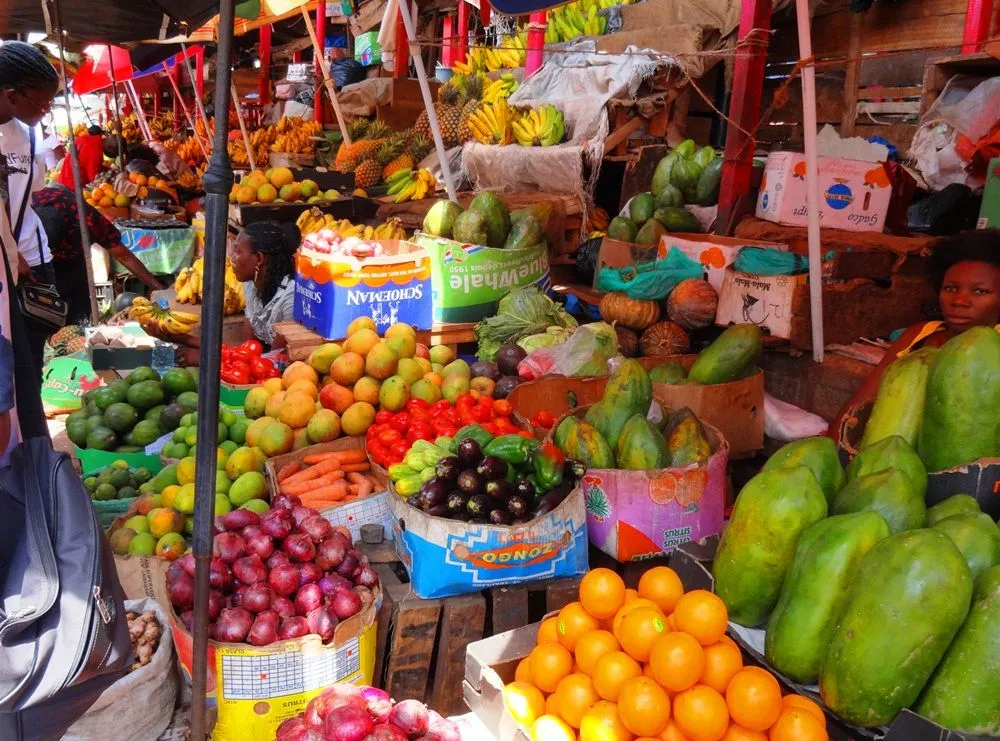
UBOS said the increase was mainly linked to higher prices for dry beans, milk, fresh cassava, sweet potatoes and cabbage.
Prices also went up during the month itself. Food crops and related items became 7 percent more expensive in September compared with August.
Matooke prices rose by 16 percent during the month, while mangoes increased by 25.6 percent. Beans went up by 6.3 percent and milk by 7.3 percent.
Fuel prices remain high
Fuel also continued to push up the cost of living.
The average price of a litre of petrol increased from Shs6,529 in August to Shs6,642 in September.
Diesel rose from Shs6,647 to Shs6,757 per litre.
Compared with September 2025, petrol was 30.9 percent more expensive, while diesel was 42.5 percent higher.
Cooking gas prices also increased by 1.3 percent during September.
Higher fuel prices can also affect the cost of transporting goods because traders and suppliers have to spend more on moving their products.
Transport prices were 9.8 percent higher in September than a year earlier, up from 9.4 percent in August.
Other goods
Some everyday household goods also recorded higher prices.
UBOS reported increases in the prices of mukene, fresh meat, rice, laundry soap and maize flour.
Mukene recorded one of the biggest increases, with its price 31 percent higher than a year earlier, compared with 28.4 percent in August.
Overall, prices increased by 0.9 percent between August and September. This was higher than the 0.3 percent increase recorded between July and August.
Prices differ across the country
The increase was not the same everywhere.
Kampala High Income recorded the highest annual inflation among the areas measured by UBOS, at 5.1 percent, followed by Jinja Centre at 4.9 percent.
Mbarara Centre recorded the lowest at 2.9 percent.
UBOS calculates inflation by tracking how the prices of goods and services bought by households change over time.
Factory prices also rise
UBOS separately reported that prices charged by manufacturers and utility providers increased in August.
Producer price inflation for manufacturing and utilities rose to 2.1 percent from 1.8 percent in July.
Manufacturing prices rose by 2 percent, while utility prices increased by 2.8 percent.
Within manufacturing, prices of dairy products were 5.7 percent higher than a year earlier, while sugar prices were 12.4 percent lower than a year earlier.
Electricity generation, transmission and distribution recorded annual inflation of 4.7 percent.