


Ajai Wildlife Reserve in West Nile is steadily reclaiming its place on Uganda’s tourism map, following a series of strategic wildlife translocations aimed at restoring biodiversity and unlocking new economic opportunities.
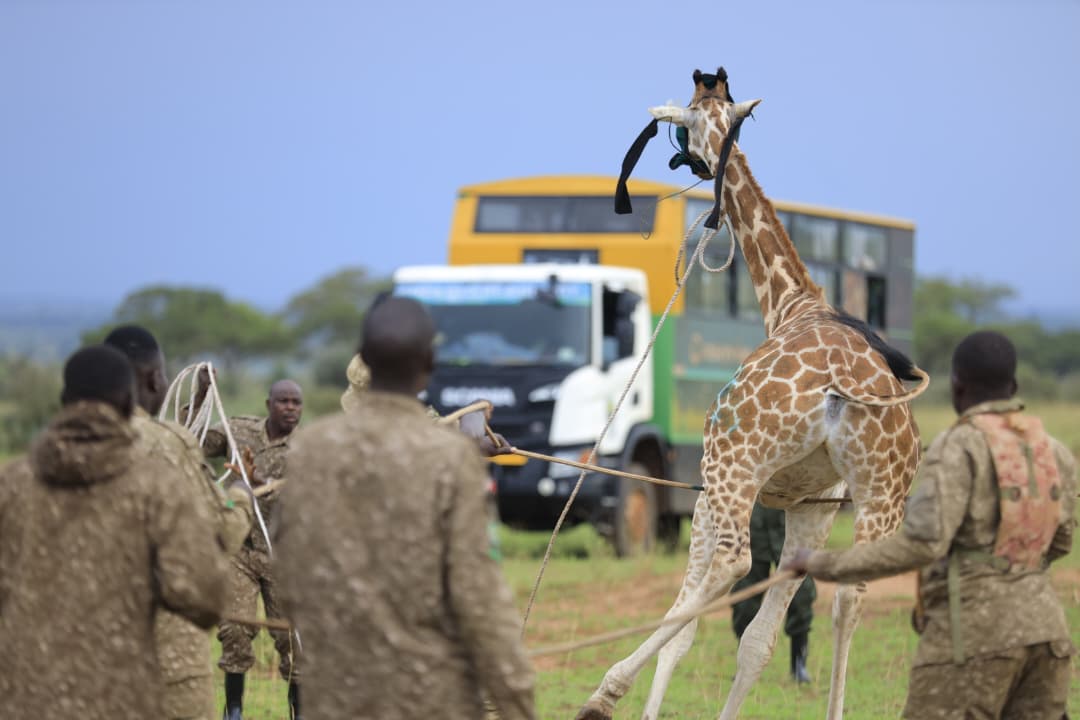
The latest in this restoration journey is the translocation of the Nubian giraffes from Murchison Falls National Park to Ajai Wildlife Reserve. According to Dr Patrick Atimnedi, Assistant Commissioner for Veterinary Services and Head of the Translocation Programme at the Uganda Wildlife Authority (UWA), the exercise marks a significant step in expanding the species’ range while revitalising a once-depleted conservation area.
“This translocation is both a conservation and tourism strategy,” Atimnedi explained. “We are creating a new population of Nubian giraffes away from areas facing increasing pressure from oil and gas development, climate change, and habitat encroachment.”
Ajai Wildlife Reserve, spanning about 166 square kilometres, was once rich in wildlife and famously known as a habitat for the northern white rhinoceros. However, years of conflict in Northern Uganda, coupled with rampant poaching, led to the near-total depletion of wildlife in the reserve. Armed groups infiltrated protected areas, decimating animal populations, including the extinction of rhinos in Ajai.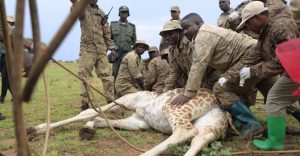
For years, the reserve remained largely empty, hosting only a few primates such as vervet monkeys and baboons, while still requiring significant financial resources to maintain.
Atimnedi noted that beyond giraffes and rhinos, Ajai is being repopulated with a variety of species including buffaloes, zebras, and antelopes. This deliberate diversification is designed not only to rebuild ecosystems but also to create a compelling tourism product.
“We are enhancing species diversity so that Ajai becomes attractive to both domestic and international tourists,” He explained. “The goal is to ensure that every region of Uganda offers unique tourism experiences.”
He revealed that before wildlife could be reintroduced, significant groundwork was undertaken. UWA invested heavily in infrastructure and security within Ajai, including: re-establishing and clearly marking park boundaries, constructing ranger posts and administrative offices, deploying vehicles, motorcycles, and personnel, strengthening law enforcement and intelligence systems, among others,
“This time, the communities are fully on board. They understand the value of wildlife and are committed to safeguarding it,” Mr Atmnedi emphasised.
The revival of Ajai is expected to generate wide-ranging benefits along the tourism value chain. Increased visitor numbers will stimulate investments in accommodation, transport, and hospitality, while creating jobs and markets for local products.
Tourism remains one of Uganda’s priority sectors for driving economic growth, with the government targeting a tenfold expansion by 2040. Initiatives like the Ajai restoration project are central to achieving this vision.