


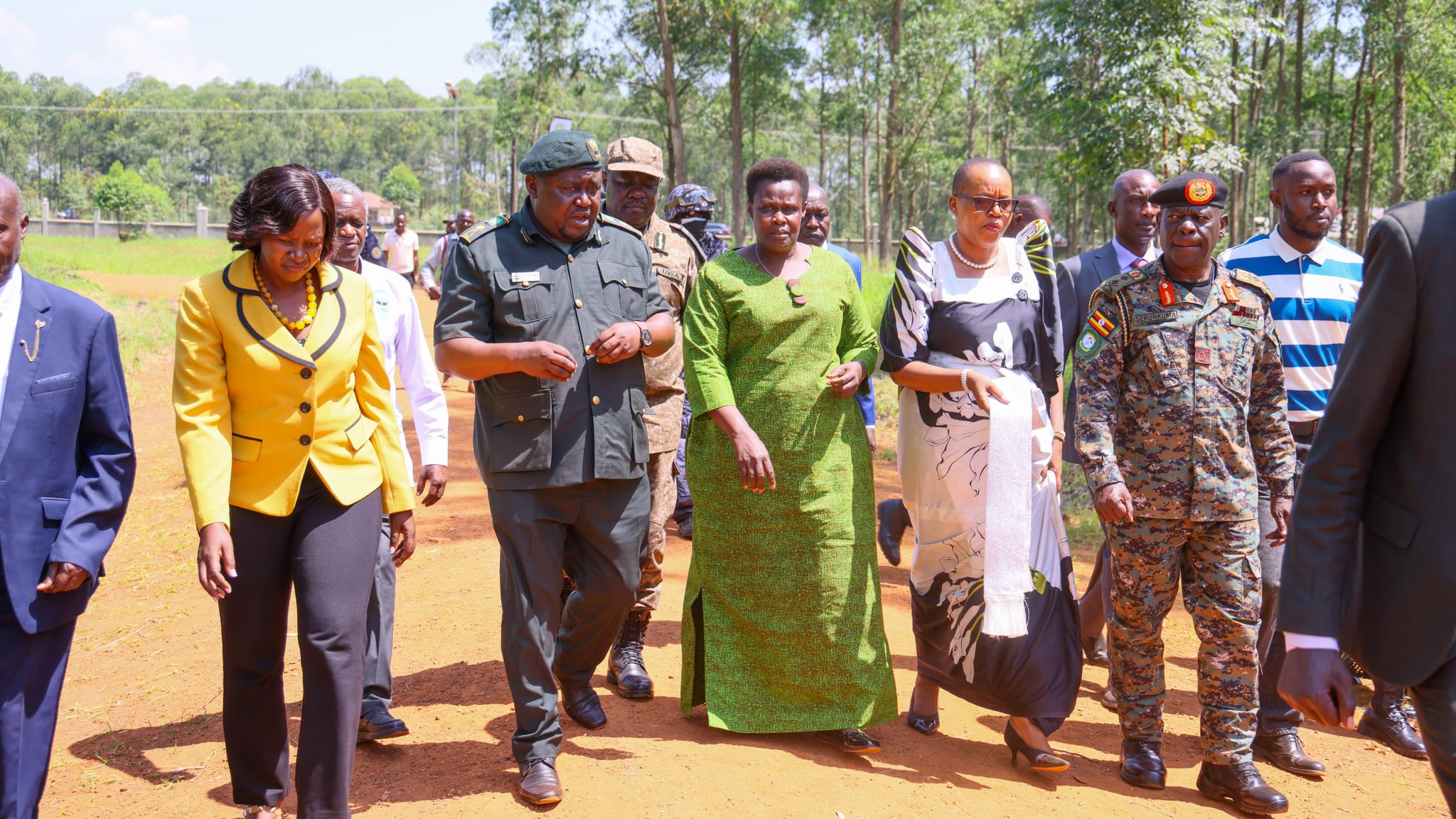
The Uganda Wildlife Authority (UWA), has opened the UWEC-Mbale, marking the first major decentralization of wildlife conservation education in Uganda since UWEC Entebbe was established in 1952.
Presiding over the official opening, Vice President Maj Jessica Alupo said the centre represents a deliberate government effort to bring conservation services closer to the people.
“I bring warm greetings from His Excellency Yoweri Kaguta Museveni, President of the Republic of Uganda, whose leadership continues to emphasize the sustainable utilization of Uganda’s natural resources as a foundation for socio-economic transformation,” Alupo said.
“For many years, wildlife conservation education has largely been centred in Entebbe. While this has contributed significantly to public awareness, distance and cost have limited access for many Ugandans, particularly school-going children and communities in other regions.
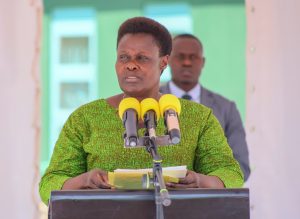 The establishment of this centre therefore represents a deliberate effort to decentralize conservation education and make it more accessible to the people of Eastern Uganda and neighbouring regions.”
Alupo linked the facility to government’s broader economic agenda. “As Government pursues the Ten-Fold Growth Strategy aimed at expanding Uganda’s economy, tourism has been identified as one of the priority sectors capable of accelerating economic growth, creating employment opportunities, attracting investment, and increasing foreign exchange earnings.
The continued growth of tourism, however, depends on our ability to protect and sustainably manage the wildlife and ecosystems that make Uganda a unique destination.”
Minister of State for Tourism Susan Nakawuki underscored the role of tourism in the tenfold growth strategy.
“Tourism creates jobs, generates foreign exchange, and supports local enterprises,” she said. “But tourism depends on conservation. Without wildlife, there is no wildlife tourism.”
Nakawuki added that the centre brings services closer to the local people, “The people of the Eastern region no longer have to travel all the way to Entebbe because that service has been brought close to the people.”
UWA Executive Director Dr James Musinguzi said the Mbale centre is part of a plan to decongest Entebbe Zoo and regionalize conservation education.
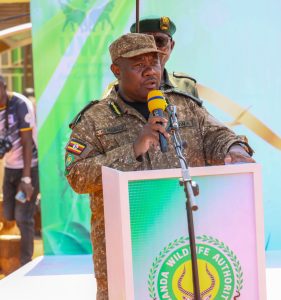 “This is the first of its kind since 1952, when Entebbe Zoo was formed,” he said. “When people get closer to these animals, they get connected. Through that, they act to protect these animals.”
Dr Musinguzi noted the centre is already creating economic opportunities: “Farmers will supply food from their gardens, and that resonates with putting people in the money economy.” He confirmed Gulu and Kyenjo centres are next in UWA’s regional rollout.
Alupo said the significance of the centre extends beyond conservation education. “It strengthens efforts to promote domestic tourism, diversifies tourism products in Eastern Uganda, supports environmental stewardship, and creates opportunities for communities to participate more meaningfully in the tourism economy.”
She added that the facility, together with attractions such as Mount Elgon National Park, will enrich Eastern Uganda’s tourism offering and contribute to increased visitor numbers, longer stays, and greater economic benefits for local communities.
“The Government remains committed to ensuring that tourism growth translates into tangible benefits for the people. Facilities such as this one create employment opportunities, stimulate demand for local goods and services, and contribute to the development of enterprises that support tourism and conservation,” Alupo said.
The Umukuuka of the Bamasaaba, Jude Mike Mudoma, said the centre “democratizes knowledge.”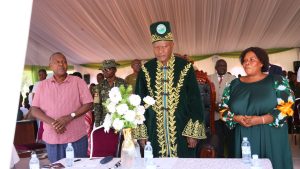
Alupo concluded: “It is therefore my hope that this facility will serve generations of Ugandans and become a centre of excellence for conservation education, research, recreation, and public awareness.”