



KAMPALA — More than 5.4 million newly printed national identity cards remain uncollected due to a staffing shortage at the National Identification and Registration Authority (NIRA), Parliament has heard.
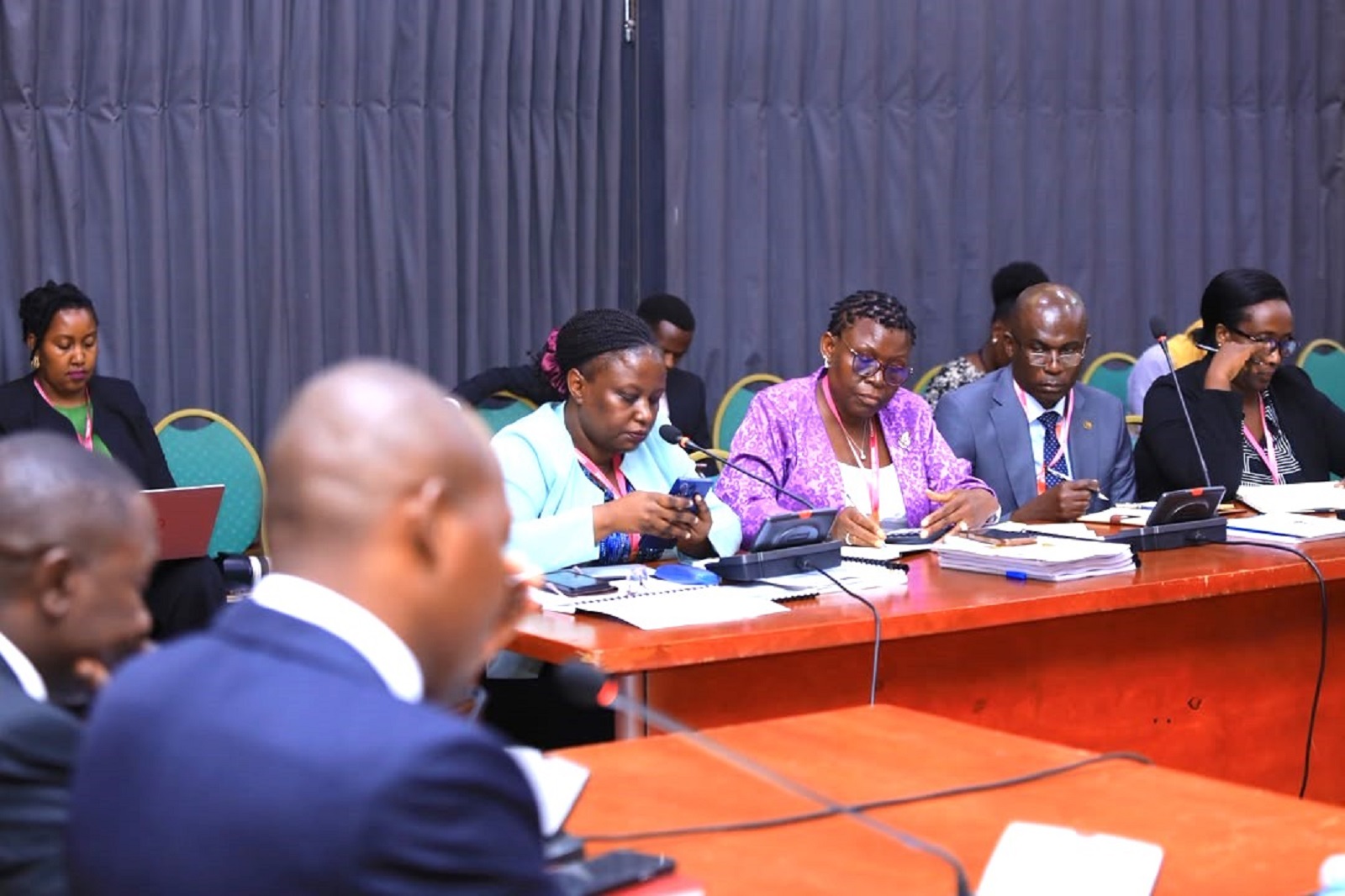
NIRA Executive Director Rosemary Kisembo told Parliament’s Committee on Commissions, Statutory Authorities and State Enterprises (COSASE) that the backlog was largely caused by inadequate staffing following the expiry of a temporary workforce deployed during the mass enrolment and renewal exercise.
She made the remarks on Monday, September 7, 2026, while appearing before the committee. “The authority’s existing workforce is insufficient for the scale of its statutory responsibilities,” Kisembo said.
NIRA currently has an approved establishment of 571 positions, of which 418 are filled. Only 201 of the filled positions are directly involved in client-facing services, she said.
The authority is asking Government to increase its approved establishment to 998 positions and provide at least 2,700 temporary workers for 18 months.
Kisembo said the temporary staff would support the renewal of about six million identity cards, registration of an estimated 10.9 million people who are not yet on the national register, processing of changes in personal particulars and registration of births and deaths.
The temporary workforce was initially deployed during the mass enrolment and renewal exercise that began on May 27, 2025. NIRA started the exercise with about 9,800 temporary workers, although the number fluctuated between approximately 9,800 and 12,000 due to staff attrition.
Despite the previous deployment, Kisembo said NIRA estimates it would take about nine months to distribute the outstanding cards if staff were dedicated exclusively to card issuance.
According to NIRA, about 15.4 million new identity cards have been printed, but only approximately 10 million have been issued, leaving about 5.4 million cards in the authority’s custody.
“The workload vis-à-vis the staffing structure does not match,” Kisembo said.
She warned that the proposed temporary workforce would only provide short-term relief. “At the end of three months, we shall go back to the point of 418 staff, of which 201 are client-facing,” she said.
Under the Registration of Persons Act, 2015, as amended in 2024, NIRA is responsible for maintaining the National Identification Register and registering citizens, lawful non-citizens, births and deaths.
The 2024 amendments also transferred additional civil-registration functions, including marriage registration, to NIRA as part of the Government’s rationalisation of public agencies.
COSASE Deputy Chairperson and Kira Municipality MP George Musisi, however, questioned whether staffing levels alone explained the delays experienced by citizens seeking services from NIRA.
Musisi said complaints from members of the public pointed to challenges involving staff motivation, efficiency and internal service standards.
“It is not just about the numbers of the staff… just picking a card, not registration, picking a card is problematic,” he said, recounting his own experience at a NIRA office.
Committee Chairperson Muwada Nkunyingi also raised concerns over reports that some citizens who had received newly issued national identity cards were being informed that their identification details had not yet been activated or linked to the relevant systems.
Bungokho County South MP Geofrey Wokuri said delays in activating identification details could affect young people applying for driving permits.
He told the committee that applicants could lose money on training-related payments if the validity of the payments expired while they waited for their identification information to become operational.
NIRA acknowledged that the driving-permit system was still being integrated with the new identification system but said it had introduced an interim arrangement to address the challenge.
The committee is continuing to scrutinise NIRA’s operations and service delivery, with the staffing shortage and identity-card backlog forming part of the concerns raised by MPs.