



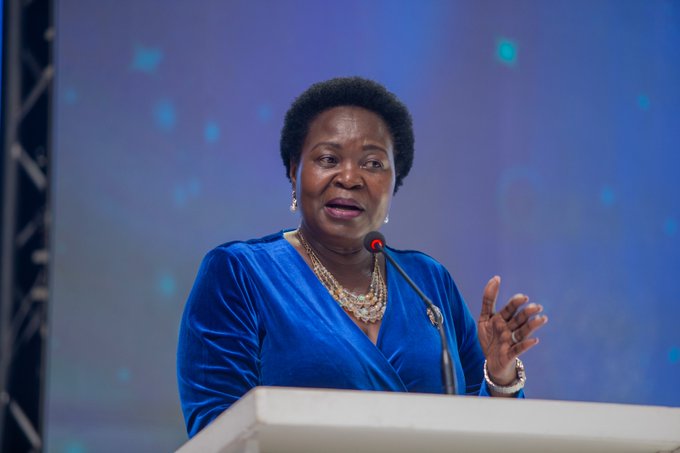
Kampala – The Government of Uganda has assured the public of fuel availability, noting that the country’s petroleum supply remains stable, sufficient, and secure despite ongoing global market uncertainties.
In a statement issued on April 21, 2026, Energy Minister Ruth Nankabirwa Ssentamu said the government, through the Ministry of Energy and Mineral Development and the Uganda National Oil Company, has maintained adequate fuel reserves and continues to receive additional shipments to reinforce national stocks.
“Uganda’s fuel supply remains stable and secure,” Nankabirwa said, urging the public not to engage in panic buying.
Strong Fuel Reserves
According to the ministry, as of April 20, 2026, the country held substantial petroleum reserves: Petrol: 70.5 million litres (about 19 days of cover), Diesel: 43.2 million litres (about 12 days of cover) and Jet fuel: 32 million litres (about 53 days of cover).
Officials emphasised that these reserves are sufficient to meet current national demand.
More Supplies on the Way
To further strengthen energy security, the government confirmed that additional large shipments are en route through regional supply corridors, including the Kenyan port of Port Mombasa and routes via Tanzania.
Between May and June 2026, Uganda expects to receive: 183 million litres of petrol, 258 million litres of diesel and 23 million litres of jet fuel.
These volumes will significantly extend the country’s fuel cover in the coming months.
Warning Against Price Manipulation
The minister cautioned Oil Marketing Companies (OMCs) against exploiting the global situation to create artificial shortages or inflate prices.
“There is no justification for scarcity or price manipulation given the current supply arrangements,” Nankabirwa said, noting that Uganda continues to receive steady supplies from its international partners, including global energy trader Vitol.
Addressing Localised Shortages
While national supply remains strong, the ministry acknowledged isolated stock-outs at some fuel stations, attributing them to logistical challenges affecting individual companies rather than a systemic shortage.
It also noted rising pump prices in some border towns, including Arua and Tororo, linking the increases to heightened cross-border demand. Authorities said they are engaging fuel companies to address any unjustified price hikes.
Public Urged to Stay Calm
The government reassured Ugandans that it is closely monitoring both supply and pricing trends to ensure stability.
Members of the public have been advised to remain calm and avoid panic buying, with officials reiterating that there is no immediate threat to fuel availability in the country.
“We remain committed to ensuring a reliable and transparent fuel supply system for all Ugandans,” the ministry said.