


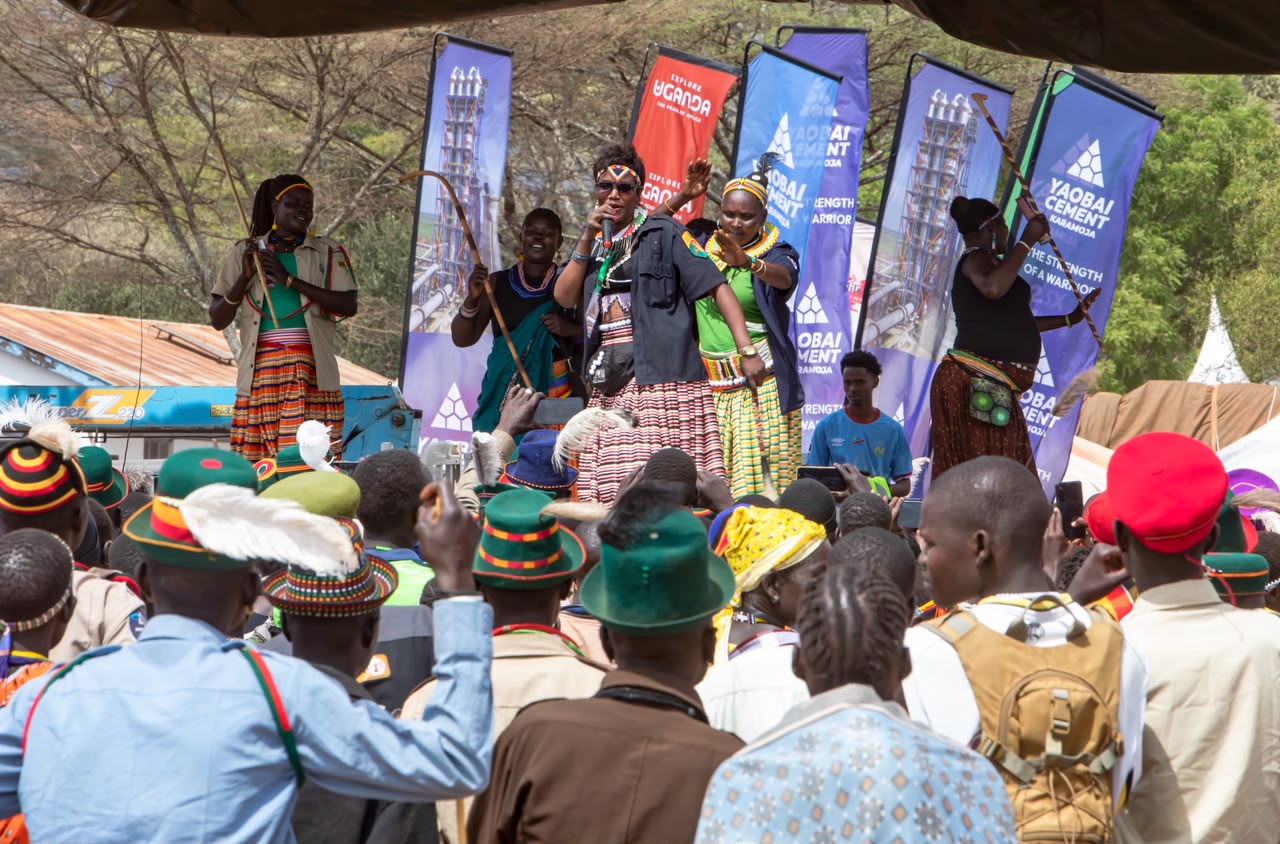
 From September 6 to 12, Moroto became a meeting place for a people whose story has long been carried through songs, cattle paths, beads, dances and oral tradition. The 11th, Karamoja Cultural Festival brought together thousands of people from the Karamoja sub-region and the wider Ateker community under the theme, “Unity in Culture, Strength in Peace, Prosperity Through Tourism and Natural Resources.”
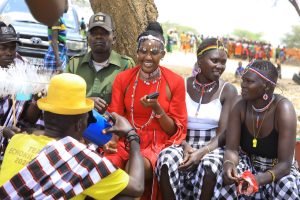
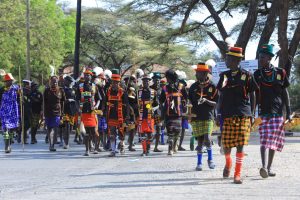
At Naitakwae Grounds, the festival was less about putting culture on display and more about allowing a community to see itself in the faces, colours and traditions of its people. Men appeared in colourful wraps, feathered headgear and traditional ornaments, while women adorned themselves with layers of beads and bangles.
Traditional dances, songs, poetry, food, crafts, symbols, totems and storytelling filled the gathering, offering visitors a glimpse into a culture that has retained a strong sense of identity despite generations of change.
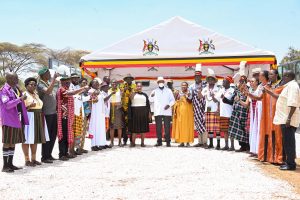 The festival brought together the Karamojong and other communities from Uganda alongside the Turkana of Kenya, Toposa of South Sudan and Nyangatom of Ethiopia, as well as communities from Teso and Lango. An estimated 15,000 people participated, turning Moroto into a meeting point for relatives separated by modern borders but connected by history and culture.
Culture here is not simply about clothing, dance or ceremony. It is a living memory of migration, family, pastoral life and relationships that have survived across generations. It is also knowledge carried by elders and passed to children through stories, music, food and everyday practices.
The festival placed culture alongside tourism and natural resources, highlighting Karamoja’s dramatic landscapes, wildlife and distinctive way of life as part of its tourism appeal.
For local businesses, the gathering also offered an opportunity to earn from culture. Traders, artisans, accommodation providers and food vendors all benefited from the influx of visitors, showing how a cultural celebration can put money directly into community hands.
Yet the festival also carried a deeper conversation about what should be preserved and what should change.
 Officiating at the opening ceremony, President Yoweri Museveni urged the Karamojong to conduct a “cultural audit”, retaining traditions that strengthen families and communities while reconsidering practices that hinder economic progress. He further advocated for the protection of cultural knowledge before it disappears from the memories of elders.
He praised the Karamojong for maintaining cultural values that he said have helped strengthen families and communities.
“The strong family values and discipline among the people of Karamoja have helped protect society, We should not throw away our culture because we are modernising. We should take the good values of our culture and combine them with modern knowledge,” he said
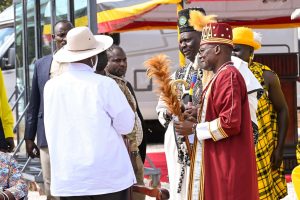 The Irish Ambassador to Uganda, Mags Gaynor, similarly described traditions as a source of identity, pride and unity, noting that protecting culture is not merely about preserving the past but creating a foundation for the future.
During the festival, government unveiled a three-phase strategy aimed at strengthening food security through climate-resilient crops and livestock before moving towards irrigation and commercial agriculture.