


Most golfers remember the shot that won them a tournament. Few remember the person who carried their clubs, searched for lost balls, studied the greens and quietly offered advice: “Aim a little left.” “Reduce the power on your swing.”
Yet behind every great round of golf is often a caddie — the silent partner whose knowledge, patience and encouragement can make the difference between victory and disappointment.
On Monday, August 3, 2026, the usual order changed at Uganda Golf Club. The golfers stepped aside, and the caddies took centre stage as the third edition of the Watoto Golf Tournament opened with a dedicated Caddies Tournament.
As elite amateurs and professional golfers prepared for their own competition later in the week, 59 of the club’s 140 registered caddies traded their familiar role of supporting others for the opportunity to compete for themselves.
For one day, they were not carrying someone else’s dreams. They were playing for their own.
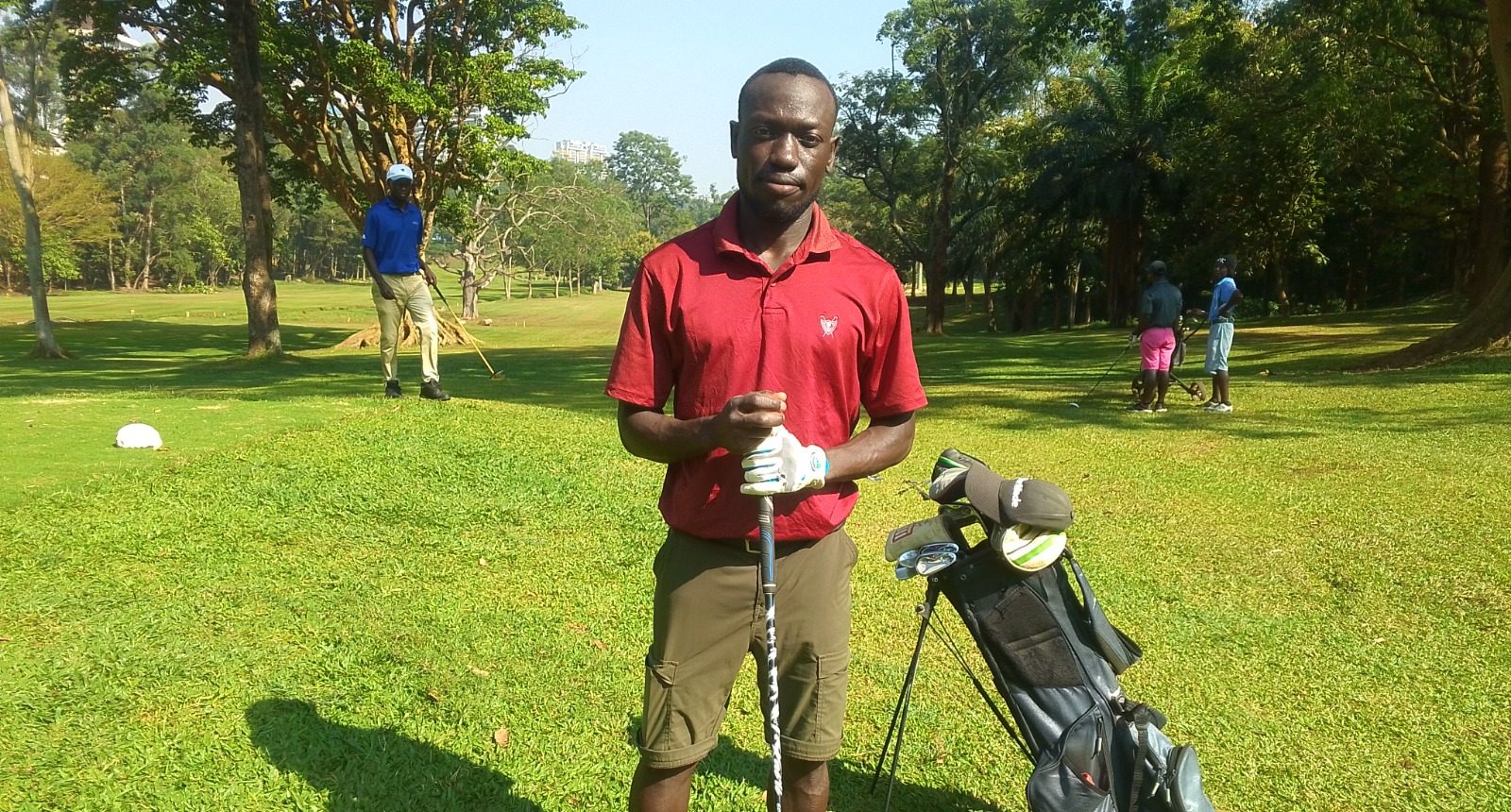
Among them was Atinoi Basil, a soft-spoken caddie whose journey reflects the experiences of many men and women who quietly keep Uganda’s oldest golf course alive.
When Basil first walked through the gates of Uganda Golf Club in 2014, shortly after completing high school, he was not looking for trophies or recognition. He was looking for a way to survive.

“I had just finished school and needed something that could help me earn a living,” he recalls. “A cousin introduced me to the club, and that is how everything started.”
What began as a temporary opportunity slowly became a profession, a learning experience and eventually a passion.
Over the years, Basil has learned the complexities of golf — not just where bunkers are located or how quickly greens roll, but how to understand a golfer’s mindset and strategy. Along the way, he also trained as a coffee barista and coffee roaster, but caddying remained the work that consistently supported him and helped him pursue his education.
For Basil, being a caddie is much more than carrying a golf bag.
“People think we only carry golf bags,” he says. “But a caddie is like the golfer’s second mind. You guide them, help them understand the course and give advice throughout the round.”
The role requires more than physical strength. It demands observation, patience, course knowledge and the ability to build trust with players.
At Uganda Golf Club, aspiring caddies must first be approved by the club professional after undergoing one to two months of training. They learn every detail of the course — from hidden hazards and tricky bunkers to the subtle slopes that can determine whether a putt finds the hole or misses by inches.
That knowledge becomes their greatest asset when they walk alongside golfers during competitive rounds.
But despite the importance of their role, caddying remains unpredictable work. Unlike formal employment, there is no guaranteed salary at the end of every month.
Caddies earn when they are assigned players by the caddie master. Some days bring opportunities. Others bring uncertainty.
“It is casual work,” Basil explains. “Sometimes you work, sometimes you don’t. But it has helped me pay school fees and support myself.”
The challenges, however, have never taken away his love for the sport.
As a young boy, Basil dreamed of playing for the Uganda Cranes. Football was his first passion, but life led him onto a different field.
Today, a new dream has taken shape — one rooted in golf. “I want to remain in golf,” he says. “Maybe not as a caddie forever, but one day as a golfer.”
That dream felt closer after the Watoto Caddies Tournament.
For a few hours, there were no golfers asking for club selections, reading difficult putts or seeking advice on difficult shots. The caddies became the players.
The same fairways they had walked behind others for years became their own stage. The voices that usually encouraged golfers now cheered for them. The hands that carried clubs now held them.
It was more than a competition. It was recognition.
“We appreciate Watoto for remembering us,” Basil says. “Every day we help other people enjoy golf, so it felt special to have a day where we could also play.”
His words capture a larger truth about golf. The sport may celebrate champions, but every champion has someone quietly walking beside them.

Someone carrying fourteen clubs under the afternoon sun. Someone searching for lost balls in the rough.
Someone offering calm advice after a difficult hole. Someone whose own name may never appear on the leaderboard.
For Basil, golf has become a teacher of life. “Golf is life,” he reflects. “Nobody is perfect. You will hit a bad shot, but what matters is how you respond with the next one.”
It is a lesson learned not from classrooms, but from thousands of kilometres walked across fairways — witnessing victories, frustrations and moments of resilience.
As Uganda’s golfing community continues to grow, caddies remain among the game’s quietest heroes. They are guides, strategists, mentors and confidence builders.
Their names may not be engraved on the trophies they help others win. But on one special day at Uganda Golf Club, the applause belonged to them.
And perhaps that was their greatest victory. Because every great golfer walks the course with a caddie. And every caddie, no matter how quietly, walks the course carrying a dream of their own.
The Watoto Golf Tournament now moves to Saturday’s main event, where professional golfers will take centre stage.