


KAMPALA — Uganda Peoples’ Defence Forces (UPDF) Chief of Joint Staff Lieutenant General Jack Bakasumba has called on East African Community (EAC) member states to strengthen cooperation in addressing shared security threats, including terrorism, border insecurity, cybercrime and disease outbreaks.
Bakasumba said the threats facing the region could not be effectively addressed by individual countries acting alone, but required coordinated responses among partner states.
“Shared threats like terrorism, border insecurity, cyber threats and disease outbreaks can only be tackled through collective action,” he said.
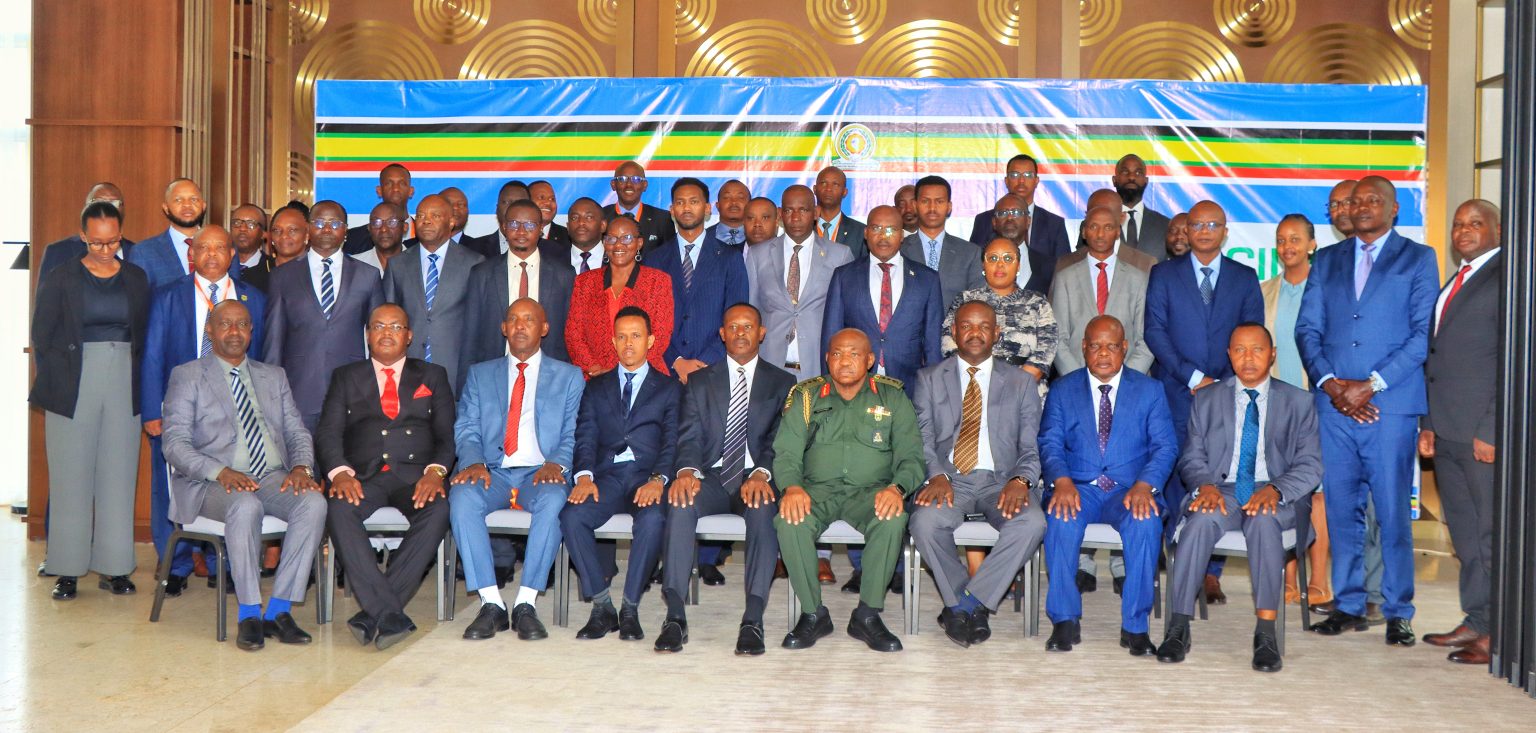
He was speaking at the opening of the 43rd Meeting of the EAC Sectoral Council on Cooperation in Defence Affairs, which has brought together defence delegates from Uganda, Tanzania, South Sudan, Somalia, Rwanda, Kenya, the Democratic Republic of Congo and Burundi at the Kampala Marriott Hotel on Monday, November 16, 2026.
The meeting was convened under Article 10 of the EAC Protocol on Cooperation in Defence Affairs and the Community’s calendar of activities for July to December 2026.
Bakasumba said issues on the agenda were critical to the region’s collective defence and security, with implications extending beyond individual member states.
“Issues concerning the mutual defence pact, military training exercises, civil-military cooperation, among others, have a bearing on our defence and security as a region,” he said.

He urged delegates to assess the implementation of decisions made at previous meetings, identify achievements and outstanding challenges, and recommend measures to address unresolved issues.
Bakasumba said the review was necessary to establish progress and ensure that decisions made by regional defence bodies translate into practical action.
He explained that the Defence Experts Working Group forms part of a structured EAC decision-making process involving relevant defence committees and, ultimately, the Sectoral Council.
He encouraged participants to thoroughly examine the issues before them and harmonise their positions at the expert level to ease discussions and decision-making at subsequent stages.
Regional cooperation, according to him, was increasingly important in responding to threats such as armed groups, transnational organised crime, terrorism and cyber insecurity, as well as public health emergencies.
He said the meetings provided an opportunity for partner states to develop common approaches, strengthen cooperation and improve the region’s collective preparedness.
The 43rd meeting is being held in accordance with the EAC Protocol on Cooperation in Defence Affairs and the Community’s approved programme of defence activities for the second half of 2026.