


KAMPALA — African diplomats and veteran scholars have challenged the continent’s next generation to transition from digital observers to frontline architects of a unified, ethical, and self-reliant Africa.
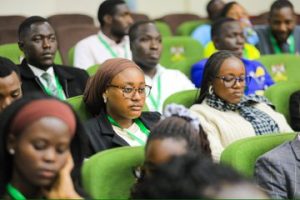
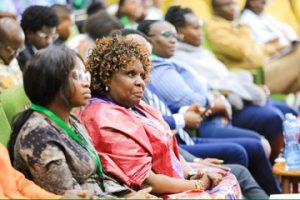
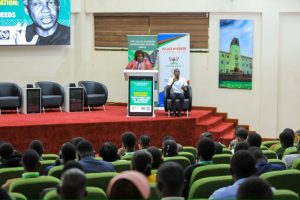
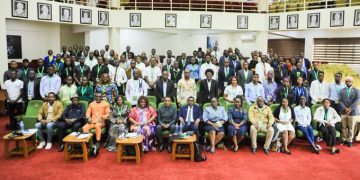
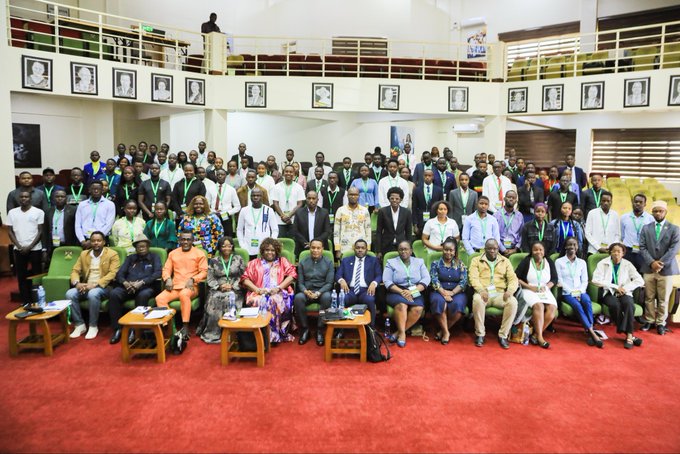
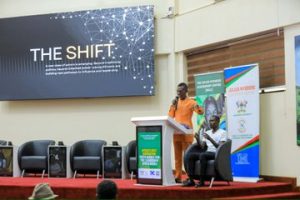
This was during the 2026 Julius Nyerere Leadership Lecture and Youth Conversations, held under the theme “Africa’s Next Generation: Youth Agency and the Leadership Africa Needs” at the School of Public Health Auditorium, Makerere University and attended by African scholars, diplomats, journalists, and youth leaders.
The event, organised by the Julius Nyerere Leadership Centre (JNLC) in partnership with CODESRIA, marked the birth anniversary of Tanzania’s founding leader, Mwalimu Julius Kambarage Nyerere, and reflected on his enduring legacy of ethical leadership and Pan-Africanism.
Opening the lecture, Dr Nansozi K. Muwanga, Executive Director of the JNLC, framed the gathering as both a commemoration and a challenge to contemporary leadership.
“Today, we gather to commemorate the life and legacy of Julius Nyerere—a teacher, a statesman, and one of Africa’s most principled leaders. But more importantly, we gather to confront a pressing question: What kind of leadership does our moment demand of us?”
Dr Muwanga emphasised the growing agency of young Africans in shaping governance and civic life, noting that youth are no longer passive participants in political systems.
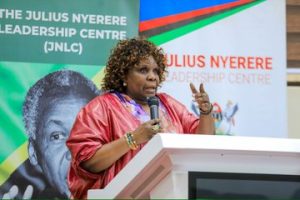
“As Uganda continues to shape its path, young leaders are no longer waiting to be included—they are organising, contesting, leading, and demanding accountability… Through our programmes, we have trained hundreds of young leaders across different regions of the country, many of whom are already serving in public office and civic spaces.”
Continental unity and Pan-African integration
The Tanzanian High Commissioner to Uganda, Major General Paul Kisesa Simuli, called for deeper African unity, urging the continent to dismantle barriers to trade and movement as part of the broader Pan-African project inspired by Nyerere’s vision.
He described Nyerere’s legacy as a guiding framework for African development. “This annual lecture is not merely a look back at history; it is a vital reflection on the future of our continent… His values of Pan-African unity remain our most reliable compass.”
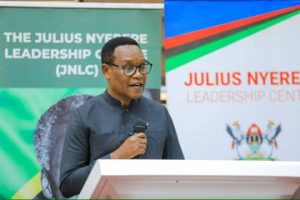
He further urged young people to take an active role in shaping Africa’s future. “To the young changemakers present here, do not be silent observers. Your energy and fresh perspectives are exactly what Africa needs to address modern challenges in governance and development.”
Scholars warn of “battle over legacy”
Former Minister Prof Tarsis Kabwegyere warned that African leaders face what he described as a “battle over legacy,” where historical reputations are often contested or distorted. “There is a battle over legacy. You must remember that… African leadership is always under attack—what they call character assassination.”
He argued that undermining leaders’ reputations weakens the transmission of values across generations. “Leadership inspires, as you were saying… A leader inspires four generations ahead of him.”
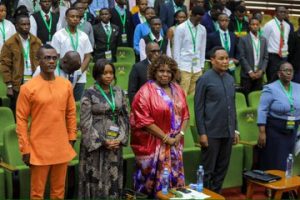
Prof Kabwegyere stressed that leadership is not about perfection but consistency and responsibility. “Leadership is not about perfection. Leadership is about achieving the targets… Situations do not make a man; situations prove who a man is.”
He also highlighted what he described as Africa’s shifting forms of dependency, from slavery to modern financial systems. “We are at that stage now… where they do not just control land or resources—they control mental space.”
Calling for intellectual and institutional “awakening,” he urged African societies to build leaders capable of confronting structural injustice. “We must wake up at multiple levels—physically, historically, metaphysically, and spiritually.”
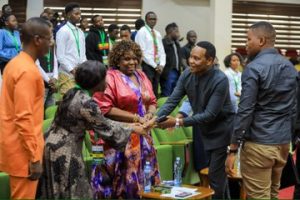
Humility, organisation, and ethical leadership
Dr Dickson Kanakulya, Head of the Department of Philosophy at Makerere University, reflected on leadership as a discipline grounded in humility, organisation, and responsibility. “Leadership is at the heart of Makerere University… You are not here just to pass the time. There is a legacy.”
He emphasised that African leaders must resist narrative manipulation and focus on substance. “Leadership is not about perfection… When direct attacks fail, narratives are used to reshape public perception.”
Dr Kanakulya also underscored the importance of ethical governance and preparedness in global negotiations. “The world does not reward mediocrity… If you want to sit in global decision-making rooms, you must be well prepared.”
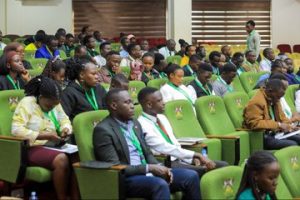
He further warned against unprepared leadership in national governance and international agreements. “There have been real governance failures caused by leaders who sign agreements without understanding them.”
From online influence to real-world leadership
Ghanaian journalist and Executive Head of Influence Africa, Israel Laryea, called on young Africans to translate digital influence into civic responsibility and organised leadership.
“My message focuses on young people, who are increasingly being left out of important conversations… young people do have a voice and should be given opportunities,” said Laryea in his keynote address.
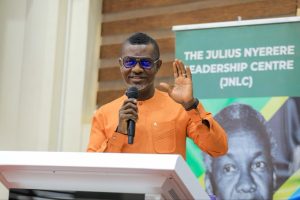
He noted that social media has transformed how influence is built, but warned that visibility alone is insufficient. “Today, social media has changed everything… They can build their own audiences, develop their voices, and use their platforms to influence public conversation.”
However, he emphasised that influence must evolve into accountability and participation in governance. “Influence alone is insufficient… They must evolve beyond content creation into civic actors who engage in decision-making processes.”
Nyerere’s legacy through family reflection
Representing the Nyerere family, Lena Nyerere, granddaughter of Julius Nyerere, reflected on her grandfather’s legacy as one rooted in service rather than authority. “His leadership was not defined by authority or power, but by integrity and service.”
She said leadership, in her view, was about responsibility rather than status. “For him, leadership was never about titles… It was about responsibility—taking responsibility and being the change you want to see.”
Across the speeches, a consistent theme emerged: the urgency of African unity, ethical leadership, and youth participation in governance.