


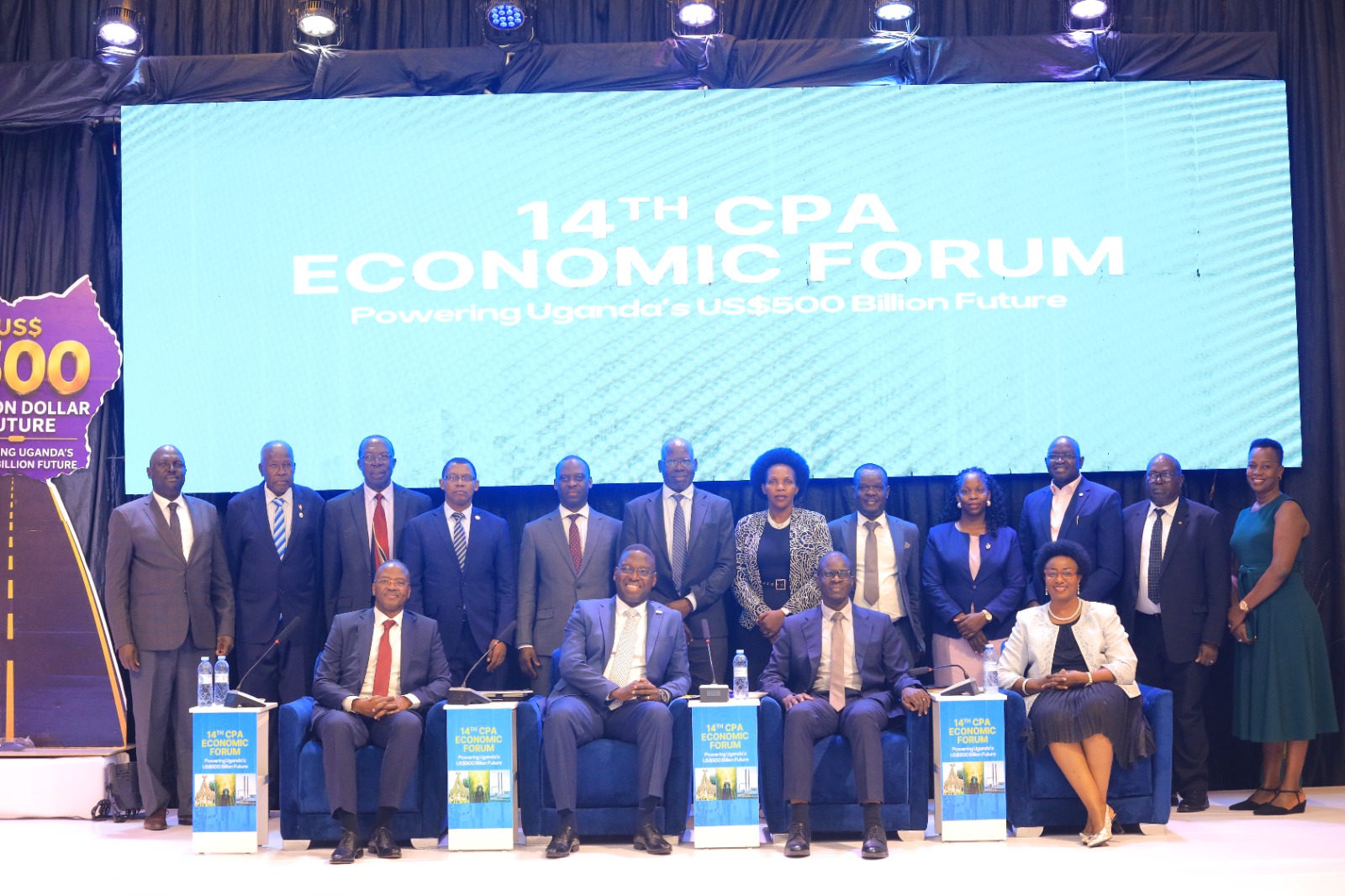
Accountants, policymakers, business leaders and development experts have called for stronger accountability, innovation and value addition as Uganda moves towards its ambition of building a US$500 billion economy.
The call was made during the 14th CPA Economic Forum organised by the Institute of Certified Public Accountants of Uganda (ICPAU) at Imperial Resort Beach Hotel, Entebbe.
Held from July 15–17, 2026, under the theme “Powering Uganda’s US$500 Billion Future,” the forum brought together professionals and policymakers to discuss strategies for accelerating economic transformation through sectors including agro-industrialisation, tourism, minerals and science and technology.
Delivering the keynote address on behalf of Dr Ramathan Ggoobi, Permanent Secretary/Secretary to the Treasury at the Ministry of Finance, Planning and Economic Development, Mr Joseph Enyimu, Commissioner of the Economic Development Policy and Research Department, said accountants have a critical role in shaping Uganda’s economic future.
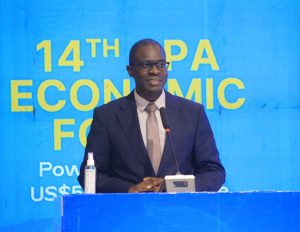
Enyimu said achieving a US$500 billion economy requires more than setting ambitious targets, but also demands trusted professionals, strong institutions and disciplined implementation.
“Numbers don’t grow an economy on their own; disciplined people do, and that’s the business of accountants,” Enyimu said.
“When accountants do their job well, capital flows, revenue rises, and economies grow. When they don’t, systems crumble.”
He said accountants must move beyond traditional financial reporting roles and become strategic partners in national development by supporting investment mobilisation, public financial management, revenue growth, risk management and accountability.
Enyimu highlighted the government’s Tenfold Growth Strategy, anchored on agro-industrialisation, tourism, minerals and science and technology, as a key pathway towards sustainable economic expansion.
He urged professionals in the accounting sector to uphold integrity, competence and innovation as Uganda pursues its long-term economic ambitions.
ICPAU Calls for Strong Governance and Partnerships
Opening the forum, ICPAU President CPA David Timothy Ediomu reaffirmed the institute’s commitment to contributing to Uganda’s economic transformation through evidence-based policy discussions and professional leadership.
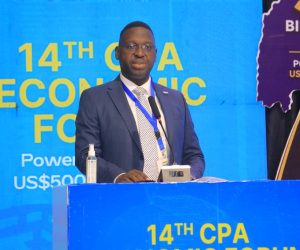
Ediomu applauded government efforts towards domestic revenue mobilisation and the implementation of the ATMS strategy, which focuses on agro-industrialisation, tourism, minerals and science and technology.
He called for stronger accountability, innovation, good governance, strategic investment and partnerships to support Uganda’s growth agenda.
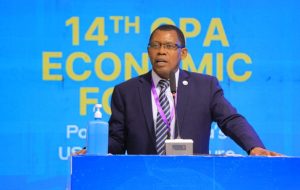
The ICPAU Secretary/CEO, CPA Derick Nkajja, welcomed participants and encouraged delegates to actively engage in discussions while ensuring a safe and productive forum.
Mineral Wealth Must Deliver More Value
Experts at the forum said Uganda must move away from exporting raw minerals and focus on local processing to maximise returns from its natural resources.
Dr Hillary Mwogyera, a Lecturer in the Department of Geology and Petroleum Studies at Makerere University, said Uganda’s critical minerals present significant economic opportunities, but the country must focus on transforming them locally.
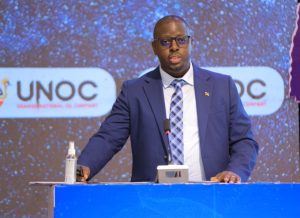
He said Uganda continues to export many minerals in raw form, limiting their contribution to industrial growth and job creation.
Dr Mwogyera called for responsible mining practices, increased local participation and investment in value addition.
Mr Aggrey Ashaba, Chairperson of the Uganda Chamber of Energy and Minerals Governing Council, said Uganda has the potential to use its mineral resources as a foundation for sustainable economic growth.
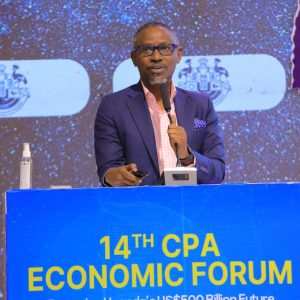
He highlighted deposits of rare earth elements, copper, cobalt, iron ore, phosphates, graphite and uranium as strategic resources that can support industrial development.
“Uganda has the potential. What comes next is strategic investment and directing resources where they can drive mineral beneficiation and maximise value for the country,” Ashaba said.
Ashaba outlined key measures needed to unlock the sector’s potential, including developing internationally recognised geological data, expanding access to mineral financing, investing in processing facilities, improving energy and transport infrastructure, strengthening local participation and creating a predictable investment environment.

Oil Refining to Support Industrial Growth
Sarah Banage, Head of Corporate Relations at Uganda National Oil Company (UNOC), said Uganda’s oil sector must create wider industrial opportunities beyond fuel production.
She said refining crude oil will provide the foundation for a broader industrial ecosystem through the production of materials needed by different sectors. “What happens after crude oil is refined is just as important as the oil itself,” Banage said.
She explained that refining would support production of plastics, fertilisers, industrial chemicals and other manufacturing inputs needed in healthcare, agriculture, construction and consumer industries.
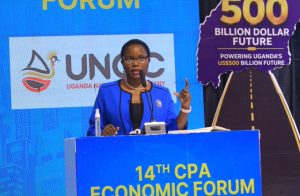
Banage said the planned Kabalega Industrial Park would provide a platform for industries to grow, attract investment and create jobs.
Agriculture Key to Economic Transformation
Former Agriculture Minister and Chairperson of the Governing Board of the Uganda Agribusiness Alliance (UAA), Hon. Victoria Sekitoleko, said transforming agriculture requires investment in skills, research and technology.
She described agriculture as a major driver of employment, food security, exports and household incomes.
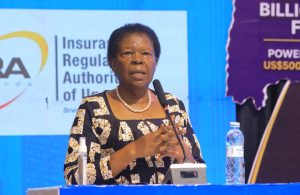
“Agriculture remains the backbone of Uganda’s economy, driving employment, food security, exports, and household incomes,” Sekitoleko said.
“Farming is deeply rooted in our society, with many Ugandans born into an agricultural way of life regardless of their background. If we harness its full potential, agriculture can be a powerful force in helping Uganda achieve its US$500 billion economic ambition.”
She said Uganda must develop a new generation of skilled farm managers capable of running modern agricultural enterprises. “We cannot transform agriculture without investing in knowledge, skills, and innovation,” Sekitoleko said.

She called for stronger agricultural research systems, improved training for young people entering agribusiness and increased local production of quality agricultural inputs such as fertilisers and pest control solutions.
Value Addition Can Expand Agricultural Earnings
Lorna Nahwera, General Manager of Avolio Industries Ltd, said Uganda’s fertile soils, favourable climate and youthful workforce give the country a competitive advantage in global agricultural markets.
“Uganda’s fertile soils, diverse climate, and year-round production capacity give the country a competitive advantage that few nations can match,” Nahwera said.

Using avocado processing as an example, Nahwera said value addition can significantly increase agricultural earnings and create new export opportunities.
She said avocado oil has grown into a successful export product within less than a decade and noted that similar opportunities exist in coffee, cocoa, tea, fisheries, dairy and horticulture.
Nahwera also stressed the importance of preserving indigenous crop varieties while improving productivity through research and innovation.
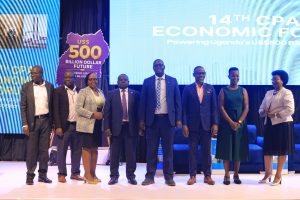
The three-day CPA Economic Forum is expected to continue exploring practical approaches to strengthening Uganda’s economy and positioning professionals as key drivers of national transformation.