


The government has warned Ugandans to prepare for above-normal rainfall expected across much of the country between September and December 2026, as it provided updates on the conclusion of food relief distribution in Karamoja and the ongoing cattle restocking programme in northern and eastern Uganda.
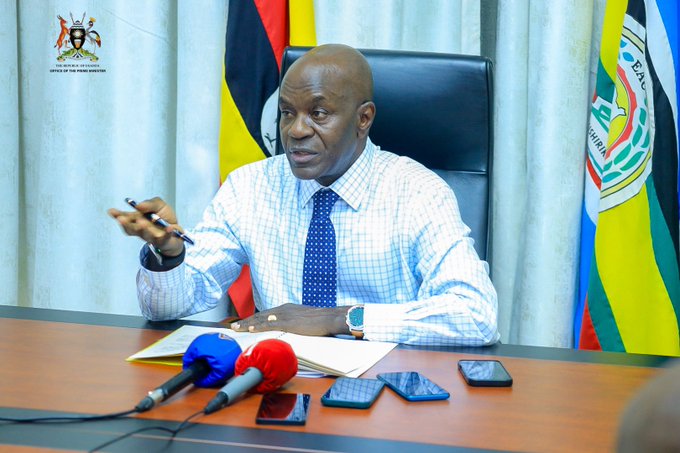
The warning was issued by the Permanent Secretary in the Office of the Prime Minister (OPM), Alex Kakooza, during a media briefing in Kampala on Thursday.
Kakooza urged the public to pay attention to early-warning messages and take precautions against possible effects of the anticipated rains.
The warning is based on the official September–December 2026 seasonal climate outlook issued by the Ministry of Water and Environment. The forecast indicates that most parts of Uganda are likely to receive near-normal to above-normal rainfall, with warmer-than-average temperatures.
The ministry says the El Niño episode is expected to intensify during the season, increasing the likelihood of enhanced rainfall, particularly in the Central, Northern and Eastern regions. The rains are expected to establish in most areas from mid-to-late September, peak between late October and November and, in several parts of the country, continue into January 2027.
The forecast also warns of possible flooding, flash floods, landslides, lightning, damage to infrastructure and disruption of transport and other public services.
Kampala and other urban areas are among the locations identified as potentially vulnerable to flooding because of heavy downpours and drainage challenges.
Karamoja food relief distribution concluded
Kakooza also announced that the government’s food relief intervention in Karamoja had been successfully completed.
The announcement comes after months of government intervention in the sub-region, where communities have faced food insecurity.
The government has previously warned that the anticipated rains could present both opportunities and risks for food security. The Ministry of Water and Environment says increased rainfall could improve soil moisture, water availability and pasture, but excessive rains could also cause crop damage, soil erosion, waterlogging and post-harvest losses.
Cattle restocking continues
Kakooza also provided an update on the government’s cattle restocking programme targeting households in the Acholi, Lango and Teso sub-regions.
The programme provides Shs5 million to each of 16,000 households to support cattle restocking. Government allocated Shs80 billion for the programme in the 2025/26 financial year, with more than Shs75 billion reported to have already been disbursed.
Kakooza said the programme was progressing, but raised concern over reports that some people had accessed funds despite not being eligible beneficiaries.
Earlier this month, he warned that people found to have misused or improperly accessed the restocking funds would be arrested and prosecuted.
The programme is intended to restore livestock ownership and livelihoods in communities that lost large numbers of cattle during periods of insurgency and cattle rustling.
The government has earmarked additional funds for cattle restocking in the current financial year, although the OPM did not provide a new consolidated figure during Thursday’s briefing.
Meanwhile, the OPM is urging communities, local governments and other institutions to act on the weather warnings ahead of the peak rainfall period.
The Ministry of Water and Environment has advised livestock farmers to strengthen vaccination and disease surveillance, provide safe water for animals, avoid grazing in flood-prone areas and prepare livestock evacuation plans where necessary.