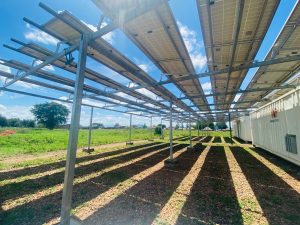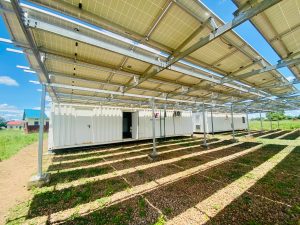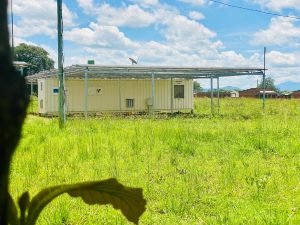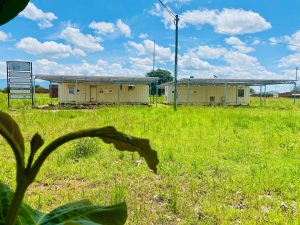



Lamwo District — In one of Uganda’s formerly underserved post-conflict regions, solar-powered mini-grids financed by the European Union are transforming businesses, creating jobs, and expanding access to reliable electricity for thousands of people.
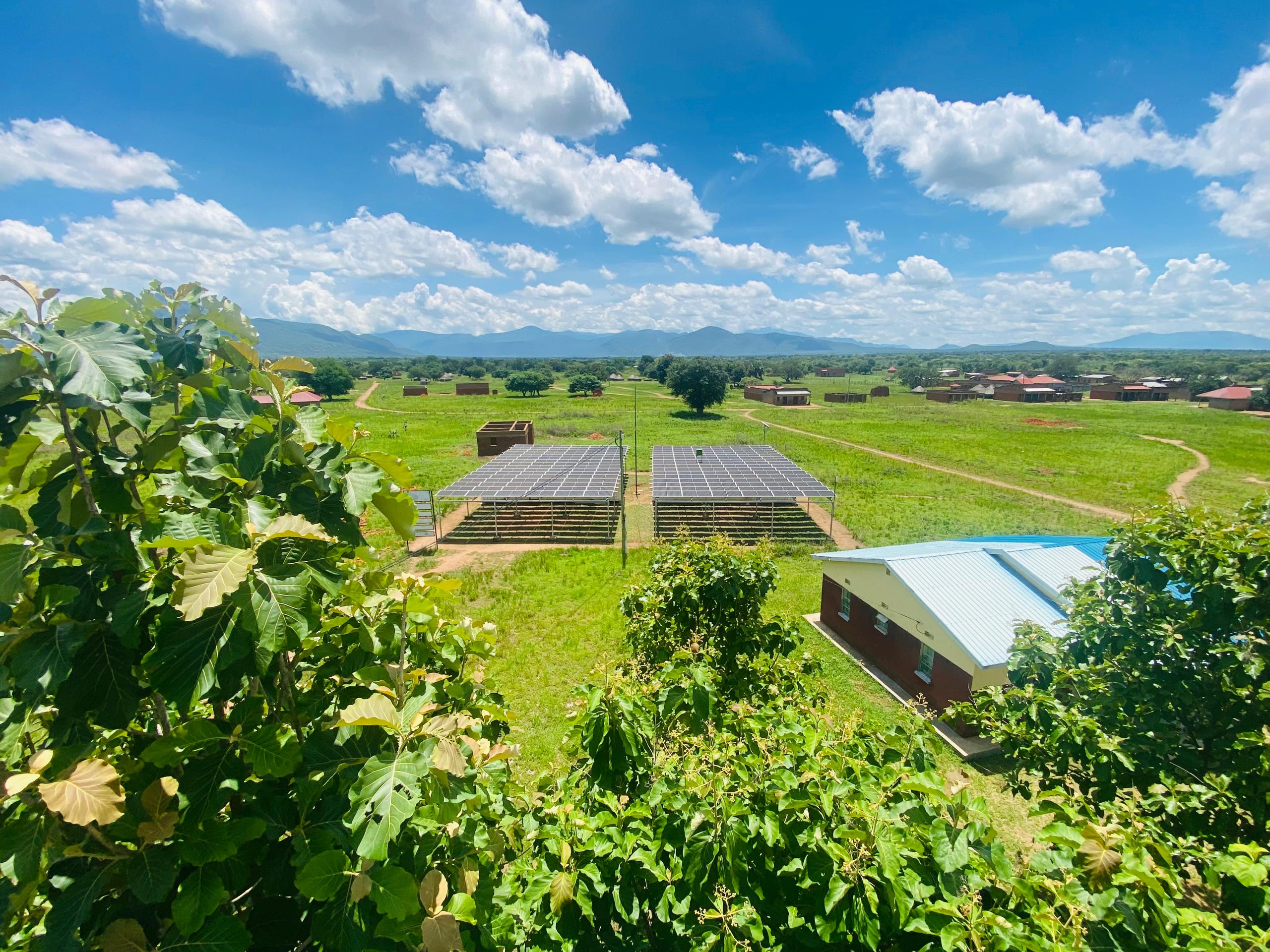
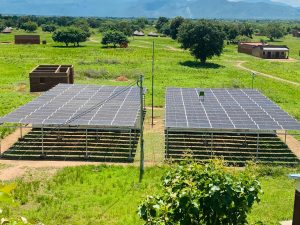
Implemented by NOA Uganda, the Lamwo Solar Mini-Grids initiative consists of 25 solar-powered mini-grids with a combined installed capacity of approximately 936 kilowatts peak. The system currently supplies electricity to more than 2,300 households, businesses, schools, health centres, and trading centres across Lamwo District.
Commissioned in June 2022 with support financed by the European Union and the Government of Uganda, the mini-grids are helping extend clean and reliable electricity to communities that previously relied on diesel generators, small household solar kits, and other costly energy alternatives.
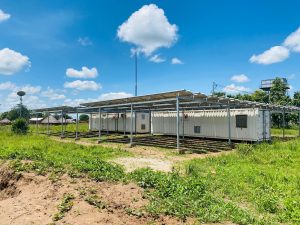
The initiative forms part of the European Union’s broader commitment to supporting clean energy transition, sustainable growth, and inclusive rural development in Uganda.
Advancing Uganda’s Clean Energy Transition
Speaking about the initiative, Jan Sadek said the investment reflects the shared commitment between the European Union and Uganda to expand access to renewable energy and accelerate sustainable development.
“Uganda and the European Union share a vision for a just and clean energy transition,” Ambassador Sadek said. “Our investments prioritise green growth, sustainable development, job creation, and improved electricity access, particularly for rural communities.”
According to the Ambassador, the Lamwo mini-grid model demonstrates how decentralised renewable energy systems can support inclusive development while strengthening economic resilience in underserved communities.
Reliable Power Transforming Local Businesses
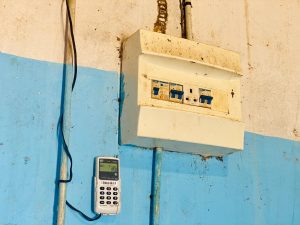
At Paloga Trading Centre, businesses that once depended on diesel generators and small solar systems now operate using stable solar-powered electricity supplied through the mini-grid network.
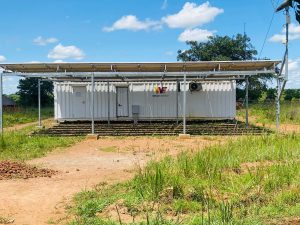
Ongala Denis explained that the Paloga station operates using 192 solar panels distributed across two 40-kilowatt containerised units, producing a combined 80 kilowatts of electricity.
“This plant supplies reliable power to households and businesses within the trading centre,” Ongala said.
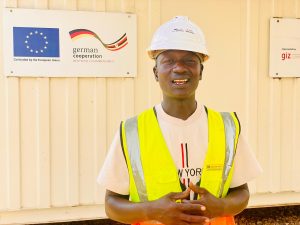
According to him, the mini-grid currently serves more than 230 customers, including homes, salons, welding workshops, milling operations, entertainment centres, and small businesses.
Before the project, most residents relied on small household solar systems that could only support lighting and phone charging.
“People previously used very small solar systems with limited capacity,” Ongala explained. “There was no reliable electricity for productive use.”
Today, the mini-grid is supporting growing economic activity across the trading centre.
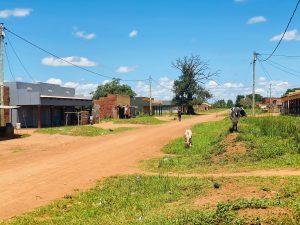
“Life has changed significantly,” he said. “The power is stable, available throughout the day, and outages are very rare.”
He added that electricity demand has nearly doubled since the project was introduced.
“At the beginning, we had about 120 customers. Today, we serve more than 230 customers, and demand continues to increase,” Ongala said.
However, he noted that rising economic activity means additional power capacity may soon be needed to meet future demand.
Digital Businesses Expanding Through Solar Power
Among the businesses benefiting from reliable electricity is a computer and printing centre owned by Okema Ivan.
Okema established the business in 2021 before the mini-grid arrived and initially relied on a fuel-powered generator.
“At that time, I was using a generator, which was expensive and difficult to manage,” he said.
Following the introduction of solar-powered electricity, operational costs declined significantly while customer service improved.
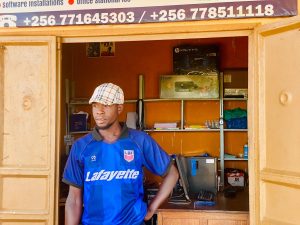
“The difference has been very big,” Okema explained. “Generators consume a lot of fuel, but with the mini-grid, the computers remain on throughout the day, and customers can be served immediately.”
His business now offers typing, printing, photocopying, document scanning, passport photography, and school report preparation services to residents, schools, and students within the community.
Reliable electricity has also eliminated noise pollution previously caused by generators operating near schools and businesses.

“This Motor Has Lifted Me to Another Level”
For James Obita, the mini-grid has transformed both productivity and household income.
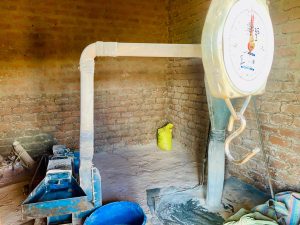
Obita previously operated a diesel-powered milling machine before upgrading to an electric milling system connected to the mini-grid.
“When you compare the diesel engine to the electric motor, this one is much better,” he said. “You no longer spend money on diesel or constant servicing.”
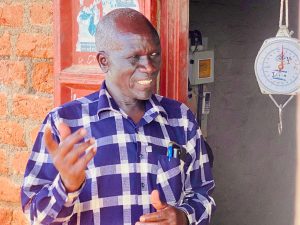
According to Obita, the electric system processes grain much faster and more efficiently.
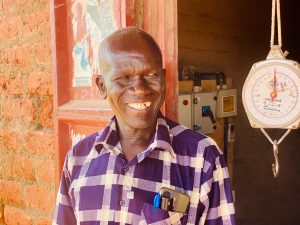
“Twenty bags can now be completed in around two hours,” he explained.
The increased productivity has enabled him to expand his business operations and invest in additional milling equipment.
“In fact, this motor has been like a ladder for me,” Obita said. “It has lifted me to another level in life.”
Stable Electricity Supporting Youth Employment
Young welders in Paloga Town Council also say the mini-grid has improved productivity and created more stable working conditions.
Ogen Daniel said unreliable electricity previously disrupted their work and damaged equipment.
“Before, the electricity would constantly go on and off,” he explained. “Now the power is stable because of the solar system.”
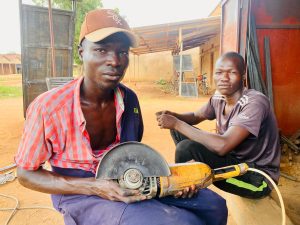
His colleague, Silas Onekalit, said the workshop manufactures doors, windows, and repairs metal equipment for customers across the area.
The stable electricity supply has enabled the workshop to improve productivity while supporting youth employment and skills development.
Supporting Agriculture and Rural Development
The impact of reliable electricity is also supporting wider agricultural transformation in northern Uganda.
Agali Farmers’ Cooperative Society Limited supports nearly 2,900 active farmers engaged in maize, rice, soybeans, sunflower, and other agricultural value chains.
The cooperative operates rice processing facilities and focuses on value addition, storage, and market access for farmers.
Electrification projects financed by the European Union are helping create the infrastructure needed to support agro-processing, milling, storage, irrigation, and other productive uses of electricity within rural communities.
The investments demonstrate how renewable energy can strengthen livelihoods, support local enterprise development, and contribute to Uganda’s long-term economic resilience.
Energy, Jobs, and Community Resilience
According to the European Union, the Lamwo solar mini-grid initiative highlights how decentralised renewable energy systems can drive rural development while supporting Uganda’s clean energy transition.
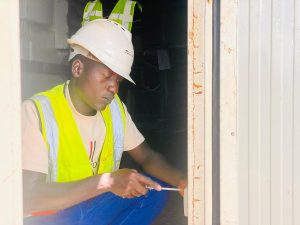
In addition to expanding electricity access, initiatives financed by the European Union have also supported the training of solar technicians and strengthened small businesses using productive electricity.
For communities across Lamwo District, the transition from diesel-powered systems to reliable solar electricity is already reshaping local economies and opening new opportunities for households, entrepreneurs, and young people.
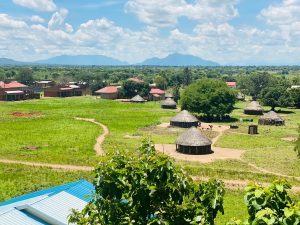
From welding workshops and digital businesses to milling operations and agro-processing, reliable electricity is enabling communities to move from subsistence toward more sustainable economic growth.
As businesses continue to expand and electricity demand rises, the Lamwo mini-grid model is increasingly being seen as an example of how renewable energy investment can support inclusive development across rural Uganda.