



KAMPALA — The Government of Uganda will stop funding official celebrations for national public holidays beginning in the 2026/27 financial year as part of a broader effort to rationalise public expenditure and redirect resources to priority development programmes.
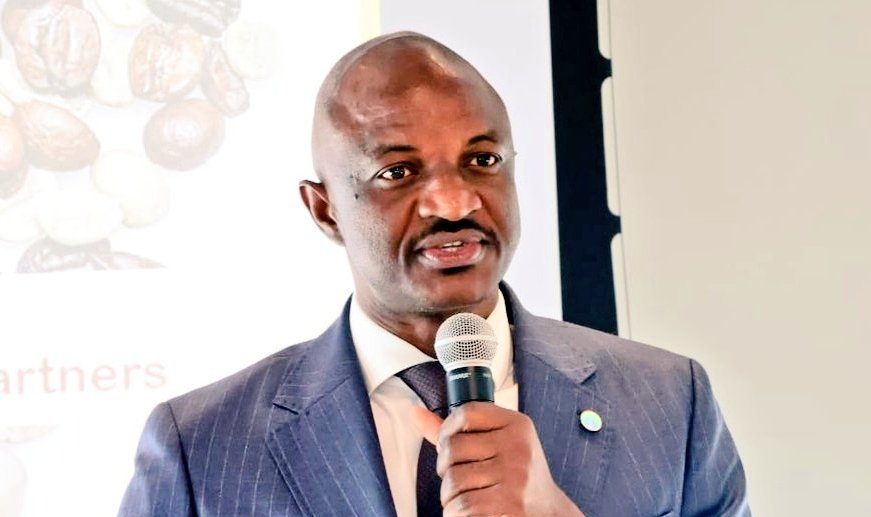
The announcement was made by the Permanent Secretary and Secretary to the Treasury, Dr Ramathan Ggoobi, who said the government will no longer spend money organising national functions such as Women’s Day, Labour Day, Independence Day and other public commemorations.
According to the Ministry of Finance, Planning and Economic Development, only a limited number of religious functions deemed nationally significant will continue to receive government support.
“Effective next financial year 2026/27, the Government will not spend money on organising public functions, including Women’s Day, Labour Day, Independence Day and others. The money saved will be redirected to government priorities,” Dr Ggoobi said.
Under the new arrangement, President Museveni will continue to address the nation on major national occasions, but the addresses will be delivered through radio and television broadcasts from State House rather than through large public gatherings funded by the government.
Officials say the measure is part of ongoing efforts to improve efficiency in public spending and ensure that scarce resources are directed toward programmes that generate greater economic and social returns.
The savings are expected to be channelled toward the government’s priority sectors, particularly the Agriculture, Tourism, Minerals and Science, Technology and Innovation (ATMS) agenda, as well as critical enabling sectors that support economic transformation.
The decision comes amid continued government efforts to contain public expenditure while mobilising resources for infrastructure development, wealth creation initiatives and service delivery programmes.
For years, national celebrations such as Independence Day, International Women’s Day and Labour Day have involved significant spending on venues, logistics, security, entertainment, transport and accommodation for participants from across the country.
Supporters of the move argue that reducing expenditure on ceremonial functions will free up resources for more productive investments, while critics may question whether the symbolic and unifying role of national celebrations could be diminished.
The announcement is consistent with the government’s broader fiscal discipline agenda, which has sought to reduce non-essential expenditure and improve value for money across public institutions.
Uganda’s 2026/27 national budget is expected to prioritise economic growth, industrialisation, wealth creation and job generation as the country pursues its long-term target of expanding the economy and increasing household incomes.
Government officials say further details on the implementation of the new policy will be communicated as ministries, departments and agencies prepare their budgets for the coming financial year.