



KAMPALA – Uganda’s proposed US$1,500 per tonne levy on plastics, set to take effect in July 2026, is sparking robust engagement between the government and manufacturers, with both sides emphasising the need to balance environmental protection, industrial growth, and affordability for consumers.
The tax, embedded in the Shs84.3 trillion national budget passed last week, translates to about Shs5.55 million per tonne of plastic. Government officials say the measure is designed to raise revenue and reduce pollution, aligning with Uganda’s broader environmental and sustainability goals.
Manufacturers, while supporting environmental objectives, are calling for a more calibrated approach that strengthens ongoing investments in recycling and the circular economy.
Industry Voices Call for Refinement
At Coca-Cola Beverages Uganda, Director Kirunda Magoola expressed concern about the structure and timing of the levy. “We vehemently oppose the introduction of the new plastic tax, which is ill-conceived, poorly timed, and fundamentally counterproductive to its stated objectives,” Magoola said.
He added: “Rather than solving the plastic waste challenge, it will sharply increase production costs for manufacturers, erode the competitiveness of local industry against imports, and ultimately pass higher prices onto already burdened consumers.”
Magoola emphasised that industry players are already investing in solutions and warned the levy could unintentionally redirect resources. “Worse still, it disincentivises ongoing investments in recycling and circular economy initiatives by diverting resources away from collection and recovery efforts toward tax compliance,” he added.
Jobs and Value Chains in Focus
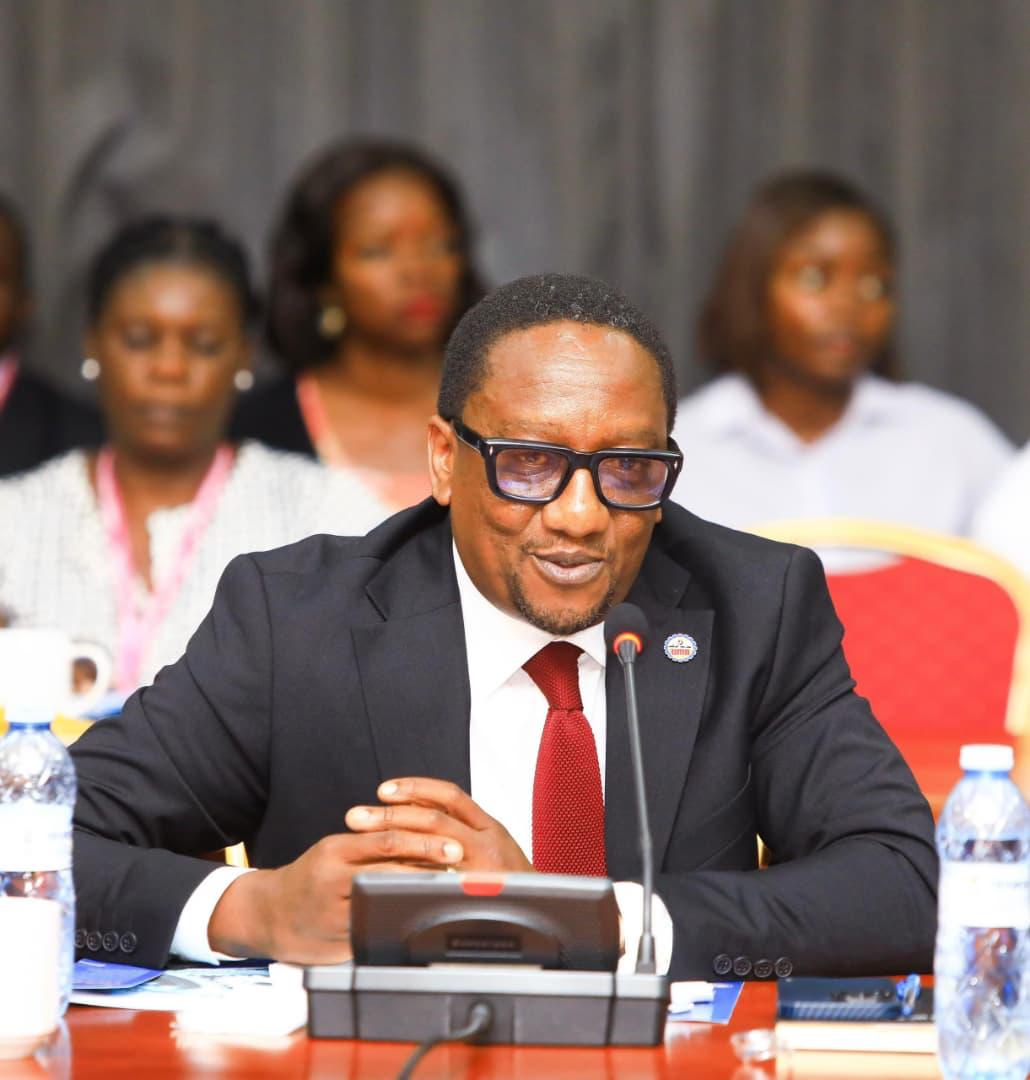
The Uganda Manufacturers Association (UMA) highlighted the importance of protecting jobs and industrial linkages.
Executive Director Dr Ezra Muhumuza Rubanda noted: “Jobs will be on the line. It’s obvious. The sector employers will be forced to downsize or even go out of business. And this has a trickle-down effect. Plastics play a big role in the thriving construction sector. All this will be affected.”
He called for collaborative mitigation measures, including reviewing the implementation approach.
Recycling Investments Highlighted
Manufacturers also pointed to significant progress already being made in recycling. At Mukwano Group, CEO Tony Gadhoke said the company is processing over 100,000 kilograms of plastic waste daily.
“We take PET bottles, do cold and hot chemical wash, and grind them into flakes for use by international and local industries,” Gadhoke said. “We also process old broken plastic products into household planters, special chairs, and other items.”
He added that the initiative supports livelihoods and exports: “The material is used internally, sold locally, and the bulk exported—earning the country serious forex… [and] we have empowered the unemployed, women and others.”
Affordability and Market Dynamics
Industry leaders are also keen to ensure that environmental reforms do not unintentionally raise the cost of essential goods. “The public will not be able to afford simple products like bread, etc., as the packaging costs will become too high,” Gadhoke said.
Manufacturers further highlighted the importance of maintaining a level playing field across the region and minimising risks such as informal trade. “This excise is going to invite serious dumping of plastics across our porous borders,” Gadhoke warned. “Casual importation from neighbouring countries shall explode and become a nuisance.”
He added: “Excise duties on plastics will… only increase competition for the formal sector as the informal players don’t keep records and therefore are never on the radar.”
Industry Proposes Collaborative Solutions
Rather than opposing reform outright, manufacturers are proposing alternatives to complement government goals. Through initiatives like Green Action for Sustainable Production (GASP), companies including Coca-Cola, Crown Beverages, Riham, and Uganda Breweries are promoting Extended Producer Responsibility (EPR).
“Like-minded companies shall work towards offsetting their plastics requirements by ensuring post-consumer waste is collected and responsibly recycled,” Gadhoke said.
He outlined key proposals: incentives and tax holidays for recycling investments, thresholds requiring at least 25% traceable recycled content and mandatory participation in EPR schemes for all plastics dealers.
“Penalise those that don’t use a minimum 25% traceable post-consumer waste. Don’t punish those already solving the problem,” Gadhoke emphasised.
Government’s Perspective
The Ministry of Finance says the levy could raise Shs1.02 trillion annually if 2024’s 185,000 tonnes of imports hold – 2.3% of Uganda Revenue Authority (URA)’s Shs44.18T target. It’s also meant to fund part of the Shs514B environment budget.
“Polluter pays,” a senior Treasury official said. “If plastic is cheap, it’s wasted.”
Uganda generates an estimated 600 tonnes of plastic waste daily, with only about 40% collected, according to data from the National Environment Management Authority.
URA has not clarified if the levy applies to recycled flakes, finished goods, or only virgin resin. Mukwano’s model hinges on that detail. If recycled content is exempt, recyclers could benefit. If not, forex-earning exports get hit.
Other unknowns: exemptions for medical or agricultural plastics, verification of “25% traceable” content, and enforcement at porous borders.
The Tax Procedures Code Amendment Bill, due in Parliament next month, is expected to provide details. UMA and GASP members plan to petition for phased implementation and exemptions for recyclers.
Uganda’s $1,500 levy may raise revenue and cut virgin plastic use, but industry warns it risks killing formal recycling, shedding jobs, rewarding smugglers, and pricing the poor out of basic goods.
As Gadhoke put it: “Penalise those that don’t use a minimum 25% traceable post-consumer waste. Don’t punish those already solving the problem.”