


Kampala — Uganda produces a total of 65,444 metric tonnes of fish annually, according to the Uganda Aquaculture Census Report 2025 released by the Uganda Bureau of Statistics—the first comprehensive aquaculture census of its kind in Africa.
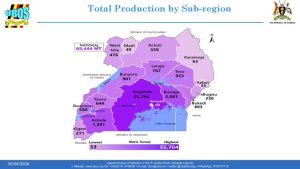
The report, released in Kampala, identifies 9,463 aquaculture farms across the country, with 6,408 in rural areas and 3,055 in urban areas. It shows that most fish production comes from urban farms, with the Buganda sub-region leading nationally, while Sebei records the lowest output.
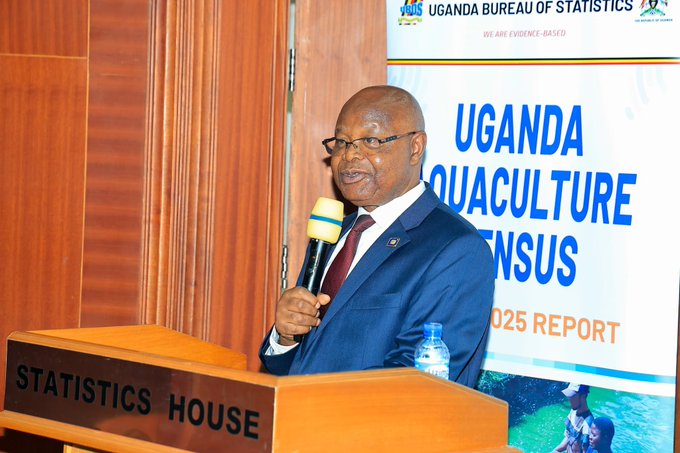
The census was officially launched by UBOS Executive Director Dr Chris N. Mukiza, together with Minister of State for Planning Amos Lugoloobi.
First of Its Kind in Africa
UBOS described the exercise as a major milestone, saying Uganda is the first country on the continent to conduct a full national aquaculture census.
“The Uganda Bureau of Statistics released the Uganda Aquaculture Census Report 2025, Africa’s first comprehensive aquaculture census by a national statistical office,” the bureau said in a statement.
The report highlights that Uganda’s aquaculture sector is expanding and increasingly important for food security, income generation, and investment planning.
Fish Production and Key Species
The total fish production stands at 65,444 metric tonnes, with tilapia dominating the sector. Tilapia: 53,924.1 MT (82.4%), Catfish: 11,347.4 MT (17.3%), Mirror carp: 111.4 MT (0.2%) and Other species: 61.1 MT (0.1%).
Farms and Regional Distribution
Buganda sub-region has the highest number of aquaculture farms at about 1,250, followed by Busoga, Ankole, and Tooro. Kampala has the lowest, with only 20 farms.
The census also recorded 24,348 fish ponds nationwide, of which 17,108 are currently stocked.
Government Urges Better Use of Data
Speaking at the launch, Amos Lugoloobi said the findings should guide national development planning. “Stakeholders could now be choking on an oversupply of data,” Lugoloobi said. “But quality statistics and data are key enablers of the effective implementation of the NDP series.”
He emphasised that accurate statistics will help government and private sector players make better investment decisions in the fisheries sector.
Dr Mukiza said the census sets a new standard for statistical work in Africa. “We are setting the pace for aquaculture statistics in Africa,” he said. “This report comes at a critical time to guide government and private sector planning.”
He also urged stakeholders to use the data for evidence-based planning and policy-making.
Revised Release Schedule Announced
In a related update, UBOS announced a revised schedule for upcoming statistical releases.
According to a statement, the bureau will release: Uganda Business Inquiry 2019/2020 on May 21, 2026, Uganda Harmonised Indicator Survey Reports (2021–2025) on May 21, 2026 and Baseline Education Census Report 2025 on May 28, 2026.
The bureau encouraged stakeholders and the public to use the data for planning and informed decision-making.