



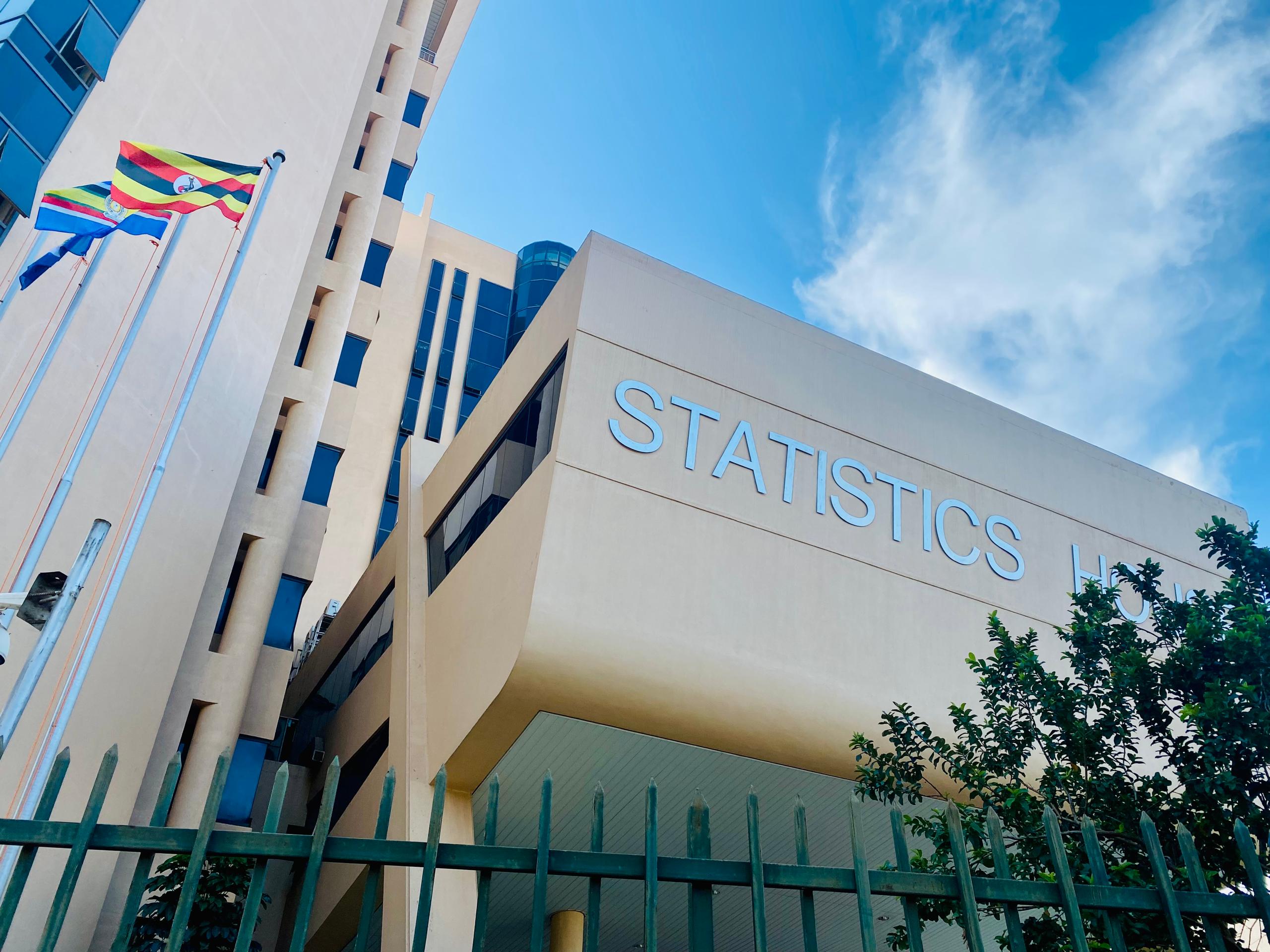
Kampala — Uganda’s annual inflation slightly increased to 3.0% in April 2026, up from 2.8% recorded in March, according to new figures released by the Uganda Bureau of Statistics.
The small rise means that, on average, prices of goods and services are still going up, but at a relatively slow pace compared to previous years.
Fuel and Energy Prices Drive Increase
The main reason for the increase in inflation was higher fuel and energy costs. Prices for petrol, diesel, and kerosene all went up more sharply in April than in March.
Petrol prices rose by 8.7% over the year, while diesel increased by 10.8%. Kerosene and charcoal prices also saw noticeable increases. This pushed energy, fuel, and utilities inflation to 6.1%, up from 4.1% the previous month.
Higher fuel prices often affect transport costs and the prices of other goods, which can be felt by many households.
Transport and Services Also More Expensive
The report shows that services such as transport and restaurants also became more expensive.
Passenger transport costs increased significantly, while prices in restaurants and cafés also rose slightly. Overall, services inflation stood at 4.1% in April.
Food Prices Mixed
Food prices showed a mixed trend. Some items like tomatoes and mangoes became cheaper, helping to keep overall food inflation low at 0.6%.
However, other foods such as Irish potatoes and cabbage still recorded price increases.
Monthly Prices Rising Faster
On a month-to-month basis, inflation rose by 0.6% in April, compared to just 0.1% in March. This means prices increased faster in April than they did the previous month.
The rise was mainly driven by increases in fuel, transport, and some food items like beans, matooke, and cassava.
Differences Across Regions
Inflation varied across different parts of the country. Masaka recorded the highest inflation at 4.1%, Kampala (high-income areas) followed at 3.8%, and Mbale recorded the lowest at 1.0%.
Global Context
According to the World Health Organisation, economic factors such as rising fuel costs and urban growth often contribute to price increases, especially in developing cities.
Outlook
Despite the slight increase, inflation in Uganda remains relatively low and stable. Experts say controlling fuel prices and maintaining a steady food supply will be key to keeping inflation in check in the coming months.