



KAMPALA — The government has confirmed that it is in the final stages of discussions to license Starlink as part of a wider strategy to expand internet connectivity across Uganda, especially in underserved and remote areas.
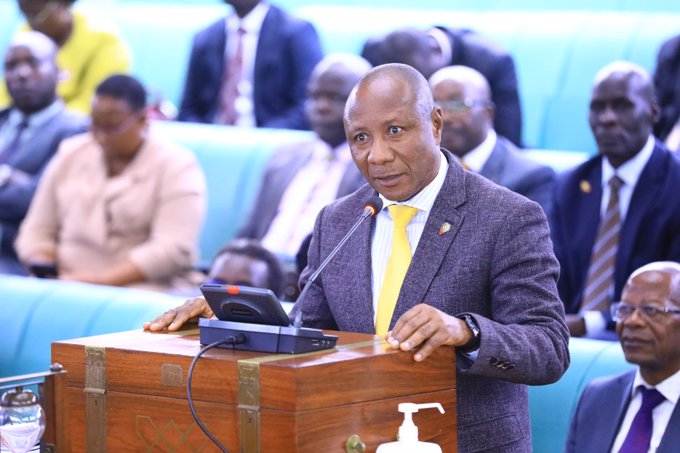
The Minister of State for ICT, Godfrey Baluku Kabbyanga, said satellite-based internet would complement existing infrastructure and help bridge the digital divide. “We are in final discussions to license Starlink, a satellite internet provider owned by SpaceX, as part of efforts to expand connectivity across the country,” Baluku said.
He explained that once licensed, Starlink would extend internet access beyond the reach of fibre networks, improving coverage and offering consumers more competitive pricing and service options.
“The technology will enable internet access in areas not covered by fibre, and once licensed, it is expected to improve nationwide coverage and give users more options while driving better service quality and pricing,” he said.
Backbone infrastructure expansion continues
Baluku also said government is simultaneously expanding the national fibre backbone infrastructure to strengthen connectivity nationwide. However, he clarified that the current phase of rollout is primarily targeting public institutions.
“This rollout is currently focused on public institutions rather than individual users as the government works to improve the broader digital network,” he said.
The national backbone expansion is part of efforts to strengthen Uganda’s digital infrastructure and support long-term connectivity goals.
Telecom licensing reforms
The minister further revealed that the government is tightening licensing conditions for telecom operators, requiring them to achieve at least 90 percent national coverage before licence renewal.
“We are now investing in additional masts to close the remaining coverage gap and promoting infrastructure sharing among telecom companies,” Baluku said.
He added that the government expects near-universal telecom coverage within the next year.
Artificial intelligence roadmap underway
Baluku also said the government has established an expert task force to develop Uganda’s national artificial intelligence strategy and regulatory framework.
“The team has been given six months to develop a national agenda and regulatory roadmap, after which the government will present legislation to Parliament,” he said.
The roadmap is expected to guide Uganda’s approach to AI governance, digital transformation, and emerging technologies.
Calls for stronger cybersecurity coordination
Meanwhile, Hon Stephen Aseera urged the government to strengthen coordination between ICT regulators and security agencies to address rising cyber threats.
“We need assurance that the government is treating cybercrime as a serious national security issue and putting in place measures strong enough to protect phone users, institutions and public systems,” Aseera said.
He warned that weak enforcement and fragmented systems could expose citizens to increasing digital risks.
The developments highlight Uganda’s accelerated push to modernise its digital economy through expanded infrastructure, emerging technologies, and new regulatory frameworks—while also opening the door for global satellite providers like Starlink to play a role in national connectivity.