


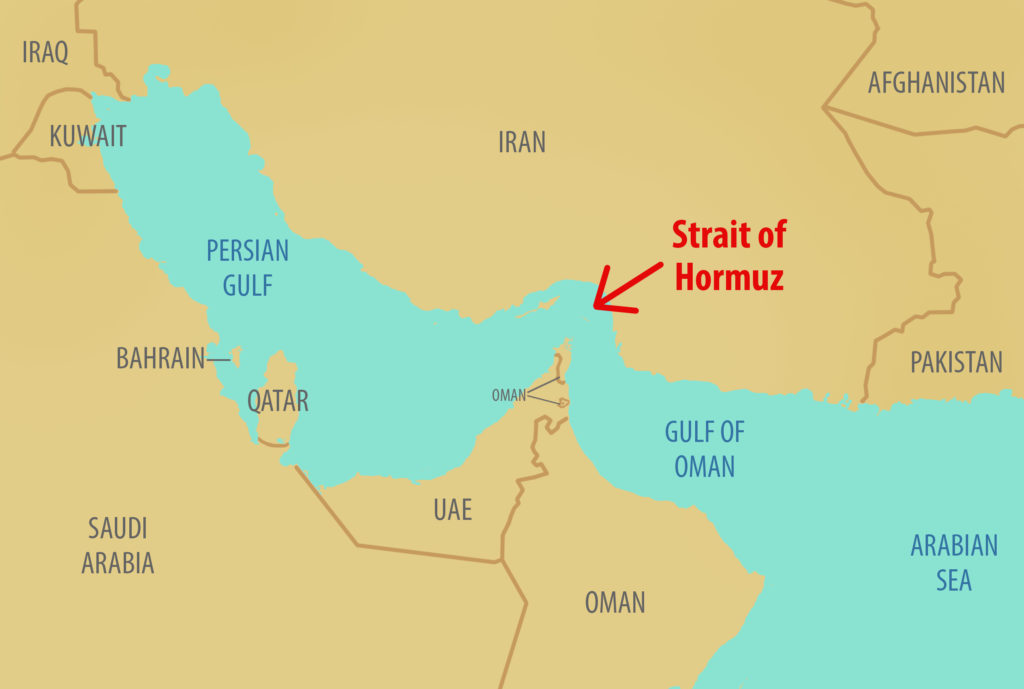
Leaders from 22 countries across Europe, Asia, the Middle East, and the Pacific have issued a joint statement strongly condemning Iran over escalating attacks in the Gulf and the disruption of shipping through the strategic Strait of Hormuz.
In the statement, the coalition — including the United Kingdom, France, Germany, Japan, Canada and Australia — accused Iran of attacking unarmed commercial vessels and civilian infrastructure, including oil and gas installations, and effectively shutting down one of the world’s most critical routes.
“We condemn in the strongest terms recent attacks by Iran on unarmed commercial vessels in the Gulf… and the de facto closure of the Strait of Hormuz by Iranian forces,” the leaders said.
Rising tensions and global risks
The countries expressed “deep concern” over the escalating conflict, warning that continued disruption in the Strait — a key artery for global energy supplies — could have far-reaching consequences.
“The effects of Iran’s actions will be felt by people in all parts of the world, especially the most vulnerable,” the statement noted.
They called on Iran to immediately halt all hostile actions, including threats, mining operations, and drone and missile attacks targeting commercial shipping.
The joint statement also urged Tehran to comply with United Nations Security Council Resolution 2817, which the leaders said underscores the importance of maintaining open and secure maritime routes.
Freedom of navigation at stake
The coalition stressed that freedom of navigation is a cornerstone of international law, citing the United Nations Convention on the Law of the Sea.
“Such interference with international shipping and the disruption of global energy supply chains constitute a threat to international peace and security,” the statement said.
The leaders also called for an “immediate comprehensive moratorium” on attacks targeting civilian infrastructure, particularly in the energy sector.
Energy markets and security response
In response to the crisis, the countries welcomed a decision by the International Energy Agency to authorise a coordinated release of strategic petroleum reserves in a bid to stabilise global energy markets.
They added that further steps would be taken, including working with oil-producing nations to increase output and cushion supply shocks.
The coalition also signalled readiness to support maritime security efforts to ensure safe passage through the Strait, noting ongoing “preparatory planning” by several nations.
Support for affected countries
Beyond security and energy concerns, the statement pledged support for countries most affected by the disruption, particularly vulnerable economies reliant on stable fuel supplies.
This assistance, leaders said, would be coordinated through the United Nations and international financial institutions.
“Maritime security and freedom of navigation benefit all countries,” the statement concluded. “We call on all states to respect international law and uphold the fundamental principles of international prosperity and security.”
The Strait of Hormuz handles a significant share of the world’s oil shipments, making any prolonged disruption a major concern for global trade, energy prices, and economic stability.