



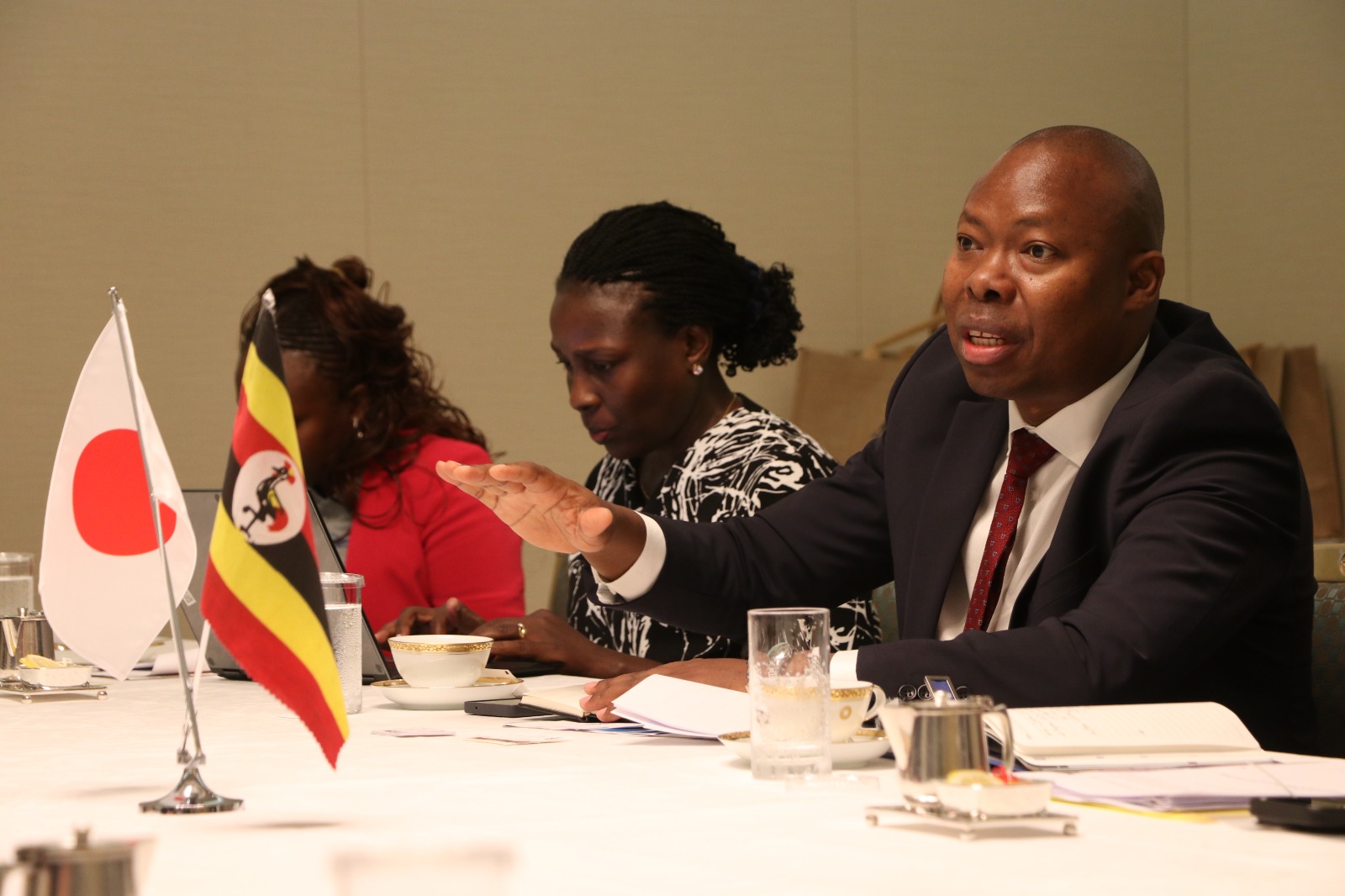
Uganda’s push to grow exports is entering a more structured and coordinated phase, following the Uganda Free Zones and Export Promotion Authority (UFZEPA) adoption of a special economic zones approach to support exports.
Established in 2024 through the merger of the Free Zones regulator and the national export promotion agency, UFZEPA now brings the management of special economic zones and export marketing under a single institutional framework.
UFZEPA is anchored on a clear objective: to simplify production, value addition and access to international markets for Ugandan goods and services, while providing exporters and investors with a more predictable and supportive operating environment.
“As a country, we already have established markets, but there are also markets we still need to penetrate,” said Hez Kimoomi Alinda, Executive Director of UFZEPA. “Developing nodes of production and distribution is therefore critical to sustaining and expanding Uganda’s export footprint.”
Recent export figures underscore the urgency of the strategy. Uganda’s total exports of goods and services have nearly doubled in just four years, growing from about USD 6.8 billion in FY 2020/21 to approximately USD 13.3 billion in FY 2024/25. Investment within designated Free Zones has also surpassed USD 2.1 billion, with more than 40 licensed private Free Zones hosting industrial parks, logistics hubs and agro-processing facilities.
A key pillar of the Authority’s infrastructure drive is the public Free Zone at Entebbe International Airport, which is nearing completion. Once operational, the facility is expected to significantly ease the movement of high-value and time-sensitive exports such as fresh produce and light-manufactured goods.
“We are prioritising coffee, cocoa and horticulture enterprises that export through Entebbe International Airport,” Alinda noted, adding that the Free Zone will reduce logistical bottlenecks and improve competitiveness for exporters targeting premium markets.
As Uganda pursues its ambition of attaining a USD 500 billion GDP by 2040, UFZEPA faces the demanding task of coordinating public and private sector trade efforts to stimulate local production while opening new markets capable of absorbing increased output.
During FY 2024/25, the Authority actively positioned Ugandan products in emerging and non-traditional markets. These efforts included strengthening trade linkages with Japan through a Memorandum of Understanding with the Osaka Chamber of Commerce, following Uganda’s coordinated participation in Expo 2025 Osaka. UFZEPA also facilitated connections between East Africa Coffee in Qatar and NUCAFE to expand demand for Ugandan Robusta and Arabica coffee, and conducted pre-capacity assessments in the dairy value chain to respond to growing interest from buyers in Algeria.
The impact of these engagements is already being felt by exporters. Esther Nekambi, Executive Director of the Uganda Flowers Exporters Association, who joined the UFZEPA delegation to Japan in June 2025, highlighted the opportunity presented by the Japanese market.
“The market in Japan is huge, especially in Osaka—it is even bigger than Belgium, which we already supply,” Nekambi said. “Export policies for our flower cuttings are more favourable in Japan, making this a promising new market to explore more aggressively.”
Beyond infrastructure and market access, UFZEPA is placing increased emphasis on sustainability and compliance with international standards. Joint training programmes with the National Environment Management Authority (NEMA) are helping factories in Free Zones meet environmental requirements from the outset, reducing future compliance disputes and improving acceptance of Ugandan products in highly regulated markets.
At the same time, partnerships with foreign chambers of commerce, including in Japan, are designed to help local firms—particularly small and medium-sized enterprises—understand quality requirements, build export readiness and integrate into regional and global value chains.