


Uganda’s tourism industry is calling for a shift in how financial institutions assess and finance micro, small and medium enterprises (MSMEs), with stakeholders arguing that conventional lending models are failing to reflect the seasonal nature and unique cash-flow patterns of tourism businesses.
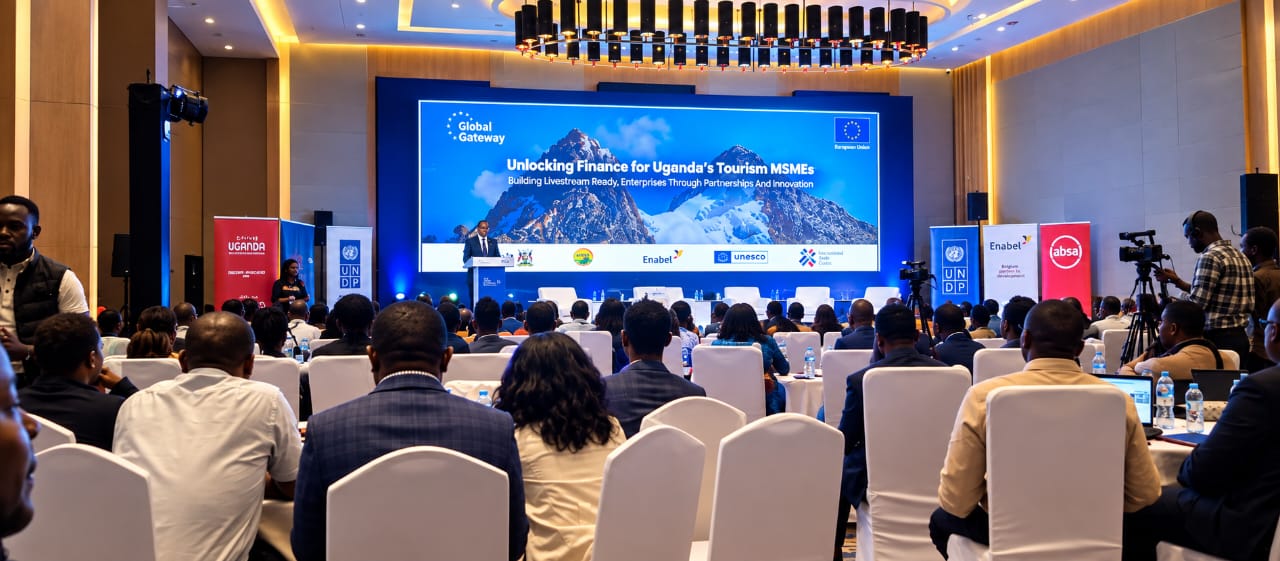
The call was made during a stakeholder forum held under the theme, “Unlocking Finance for Uganda’s Tourism MSMEs: Building Investment-Ready Enterprises through Partnerships and Innovation,” which brought together tourism businesses, government agencies, financial institutions and development partners.
Uganda Tourism Board (UTB) Chairperson Pearl Kakooza said tourism businesses need greater investment if they are to meet the growing demand for Uganda’s tourism products at internationally acceptable standards.
She pointed to the need to construct and renovate accommodation facilities to meet East African grading and standards, improve accessibility for persons with disabilities and senior travellers, and invest in new tourism products.
Kakooza cited emerging opportunities including cultural, coffee and other specialised tourism experiences, saying businesses also need investment in equipment, skills and marketing to develop and sell these products effectively.
However, she said many tourism entrepreneurs face significant barriers when they approach financial institutions.
Drawing from her experience as both a tourism entrepreneur and UTB chairperson, Kakooza said businesses are often confronted with extensive documentation and collateral requirements, including land titles, valuation reports, audited accounts, bank statements, tax documents and other forms of security.
She urged banks and other financial institutions to move beyond a one-size-fits-all approach and develop products specifically designed around tourism businesses.
“This is not a one-size-fits-all industry,” Kakooza said, calling for greater consideration of business viability and cash flow alongside conventional collateral.
She also highlighted the high cost of borrowing, arguing that expensive credit can leave businesses spending much of their revenue servicing loans instead of investing in expansion and service improvement. For tourism operators whose businesses are often denominated in foreign currency, she said exchange-rate movements add another layer of pressure to operating costs and financial planning.
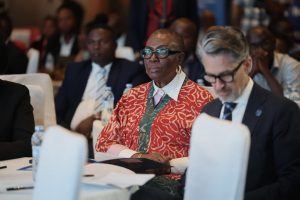
Head of the European Union Delegation to Uganda Jan Sadek said tourism MSMEs are at the heart of the country’s tourism economy and need more than visitors to become sustainable and competitive enterprises.
“Tourism is also about enterprise, jobs and livelihoods,” Sadek said, noting that the sector supports tour operators, guesthouses, community enterprises, young people and women entrepreneurs.
He said access to finance enables businesses to invest, improve services, innovate and expand, making it a critical component of a competitive and inclusive tourism sector.
Sadek said development partners could help reduce risks and strengthen enterprises, but sustainable solutions would require collaboration among financial institutions, tourism businesses, government and development agencies.
UNDP Resident Representative Nwana Vwede-Obahor said the financing challenge should not simply be viewed as a shortage of money, but as a mismatch between conventional lending models and the way tourism businesses operate.
She said tourism enterprises must also become better prepared to present their businesses in a form that financial institutions can understand and assess.
This includes strengthening financial records, business plans, investment proposals and evidence of cash flows, while lenders must deepen their understanding of tourism’s operating cycles.
Vwede-Obahor said this requires a shared responsibility between entrepreneurs and lenders: businesses must improve their investment readiness, while financial institutions must develop better ways of identifying and pricing risk within the tourism sector.
Uganda Tourism Association (UTA) Vice President Isa Kato said the financing challenge is particularly pronounced because tourism does not generate uniform income throughout the year. Tourism enterprises can record strong revenues during peak seasons and significantly lower cash flows during periods of reduced visitor numbers. However, many existing financial products require fixed repayments regardless of the business cycle.
“We cannot finance a seasonal business as though it were a salaried employee receiving the same income every month,” Kato said. He called for longer-term financing, grace periods and repayment schedules that correspond with tourism seasons.
Kato also urged financial institutions to consider alternative forms of security. A tourism business may have vehicles, equipment, bookings, contracts, receivables, trained staff and an established market, but still fail to qualify for financing because it lacks the conventional land title demanded by lenders. He proposed greater use of cash-flow-based lending, movable assets and other alternative financing models, alongside credit guarantee mechanisms and blended finance that can help reduce lending risks.