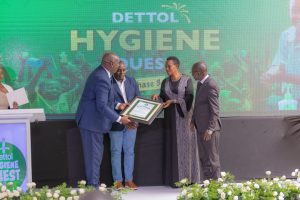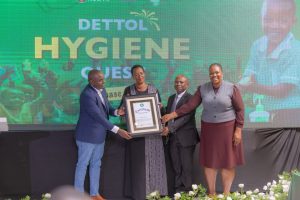



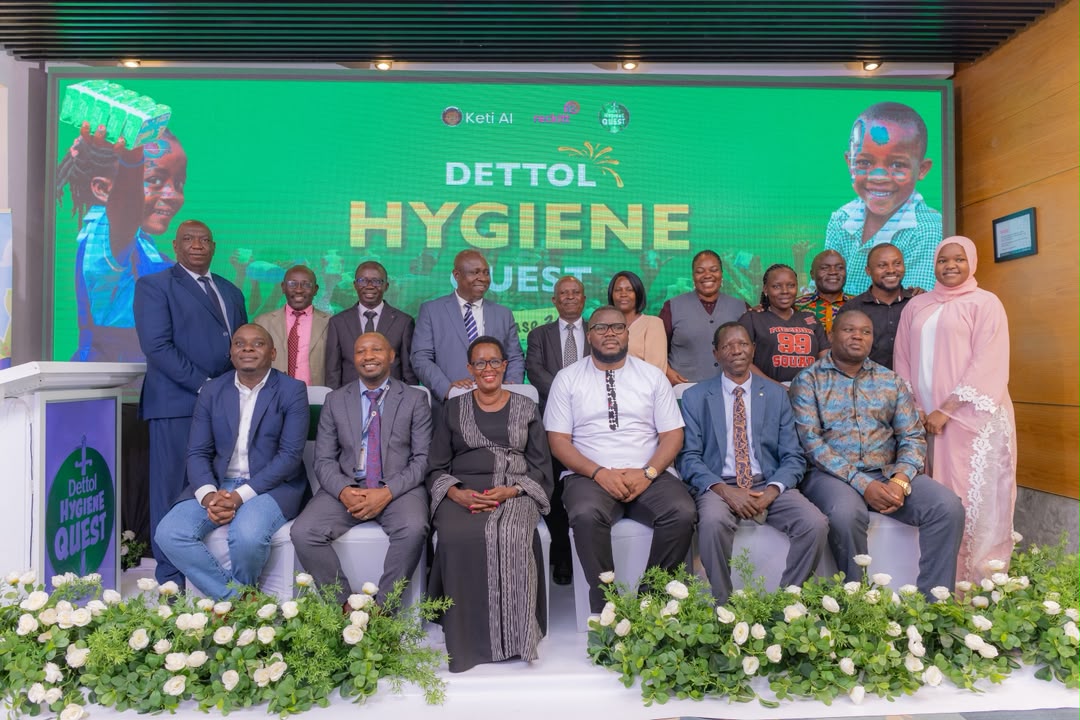
Reckitt, the company behind Dettol, and Chil Group have launched the third phase of the Dettol Hygiene Quest programme in Uganda, targeting 650,000 schoolchildren in four districts.
The initiative, launched on October 15, 2026, will cover Mpigi, Kampala, Kabarole and Kabale, focusing on hygiene education, disease prevention and improving school attendance.
The expansion follows results from the programme’s first two phases, which recorded reductions in hygiene-related school absenteeism of 71.6% in Phase One and 74.8% in Phase Two, according to the programme organisers.
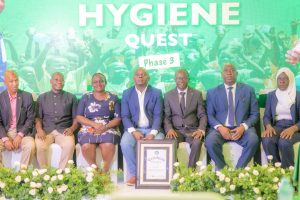
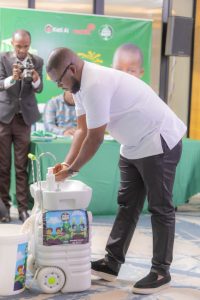
The third phase will combine classroom hygiene lessons, practical demonstrations, digital monitoring and the distribution of hygiene products, including Dettol antibacterial soap.
Participating schools will receive structured sessions on proper handwashing, personal hygiene and disease prevention. Digital tracking systems will also be used to monitor implementation and assess progress.
Dr Shamim Nabuuma, chief executive officer of Chil Group, said the programme seeks to prevent illness from disrupting children’s education.
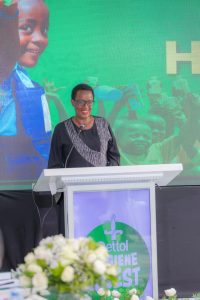
“Our mission has always been to ensure that preventable illnesses never stand in the way of a child’s education. The remarkable results achieved in Phases 1 and 2, with hygiene-related absenteeism falling by more than 70%, demonstrate what is possible when effective public health education is combined with local innovation and access to the right resources,” Nabuuma said.
She said the third phase would extend the programme to more children and communities, adding that hygiene education could support children’s health, wellbeing and educational progress.
Cassandra Uzo-Ogbugh, Reckitt West and East Africa’s head of external communications and partnerships, said the expansion reflected the company’s commitment to improving access to health and hygiene education.
“The launch of Dettol Hygiene Quest Phase 3 in Uganda reflects Reckitt’s continued commitment to putting better health in more hands, every day. By expanding our reach, strengthening learning outcomes, and building on the progress achieved so far, we are taking another important step towards empowering a generation of health- and hygiene-conscious Ugandans,” Uzo-Ogbugh said.
She said the partnership aimed to encourage lasting changes in hygiene practices, reduce hygiene-related illnesses, including diarrhoea, and improve school attendance.
The organisers said the programme would also encourage children to share what they learn with family members and communities, extending hygiene awareness beyond the classroom.
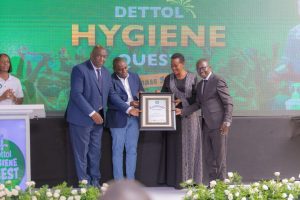
Reckitt’s health and hygiene expertise will be combined with Chil Group’s digital health capabilities and community networks to support programme delivery and monitoring.
The partners said they would continue working with schools, teachers and local communities to strengthen hygiene awareness and help children maintain healthier habits.
The programme’s reported absenteeism reductions relate to its first two phases. The organisers’ announcement did not provide details on the methodology used to measure the changes.