


As the world marks Earth Day under the theme “Our Power, Our Planet,” attention is turning to the role of communities in driving environmental protection and climate action.
In Uganda, the Environmental Conservation Trust of Uganda (ECOTRUST) is emerging as a key player in advancing conservation through community-based and market-driven approaches that link environmental protection to livelihoods.
For more than 27 years, ECOTRUST has implemented nature-based financing models that encourage communities to conserve ecosystems by ensuring they directly benefit from them. The organisation’s work reflects a growing consensus that sustainable conservation depends on aligning environmental goals with economic incentives.
One of its flagship initiatives is a landscape restoration programme spanning major ecological zones, including Queen Elizabeth National Park, Murchison Falls National Park, the Rwenzori Mountains, Mount Elgon, Mpologoma, and Agoro-Agu. The initiative cuts across more than 40 districts such as Kasese, Lamwo, Masindi, Kiryandongo, Mbale, and Namutumba.
The programme targets the restoration of over 50,000 hectares of degraded forest landscapes, while also rebuilding wildlife habitats, strengthening climate resilience, and supporting rural livelihoods.
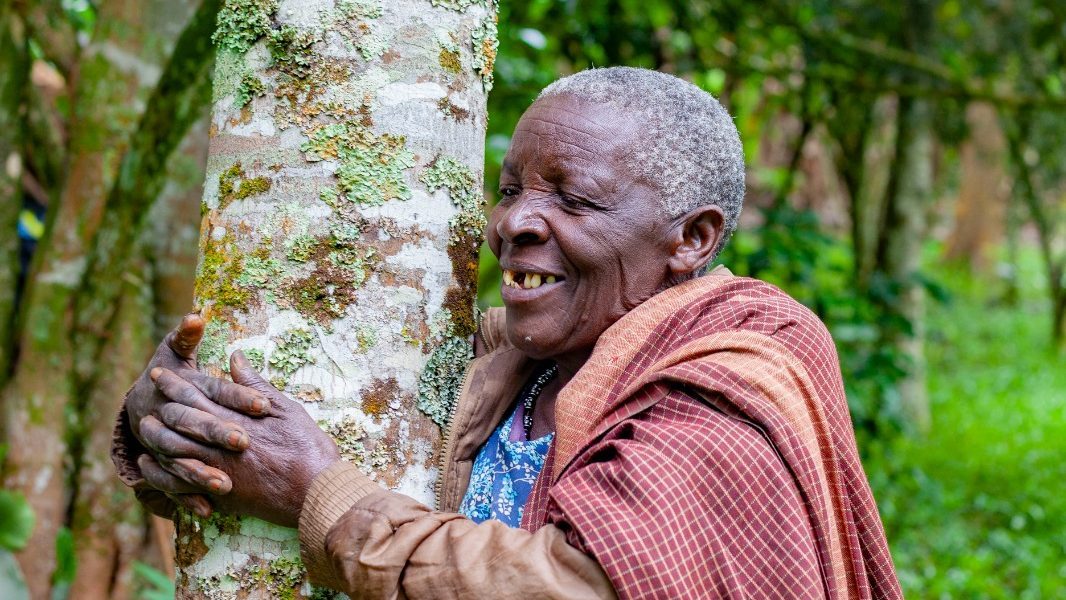
A defining feature of ECOTRUST’s model is its community-led approach. Local groups take the lead in activities such as tree planting, wetland restoration, and agroforestry. To date, over 2,000 farmers have restored at least 60 hectares of land, demonstrating the impact of grassroots participation.
Beyond restoration, ECOTRUST manages the Trees for Global Benefits (TGB) programme, launched in 2003, which links smallholder farmers to the voluntary carbon market. The initiative has connected more than 40,000 households and attracted over $6 million in investment, while contributing to the removal of more than 6 million tonnes of carbon dioxide emissions.
Through TGB, farmers earn income from carbon credits, offering an alternative to activities that degrade forests. This approach not only supports household incomes but also reduces pressure on natural ecosystems.
At its core, ECOTRUST’s strategy is built on conservation financing—ensuring that protecting the environment translates into tangible economic benefits for communities. By integrating environmental restoration, climate action, and income generation, the organisation is positioning conservation as both practical and sustainable.
As global calls for climate action intensify, Uganda’s community-driven conservation model highlights the power of local solutions. It underscores the idea that when people are empowered, they can play a central role in safeguarding the planet for future generations.