


BY DANIEL RWEYORA
The festive season tests whether our security arrangements match how we actually live, travel, and do business. December brings increased movement of people, money, goods, and valuables, placing additional demands on households and businesses; as evening falls in Kampala, shopping centres stay busy, boda bodas weave through traffic, ride-hailing vehicles ferry revellers home, and businesses prepare for increased trading. This heightened activity season creates opportunities for criminals to exploit security weaknesses.
The Uganda Police Force Annual Crime Report 2025 offers important context. Police recorded an average of 16,367 cases per month, with November registering 17,172 cases, one of the highest monthly figures. Although reported crime declined by 10.2 per cent compared to 2024, these figures reinforce the need for vigilance ahead of the holidays.
With more than 20 years of experience in the security industry, I have learnt that effective security starts with identifying vulnerabilities before criminals exploit them. When did you last test your alarm system instead of assuming it worked? A CCTV camera that isn’t recording or an alarm that cannot trigger a timely response can leave a property exposed, no matter how adequate the protection seems.
Residential security deserves particular attention during the holidays, when many families travel and leave their homes unattended for extended periods. Perimeter walls and surveillance cameras offer little reassurance if windows remain unsecured or monitoring arrangements are inadequate. Homeowners should inspect access points, test installed equipment, and arrange for trusted individuals or professional security personnel to monitor their properties while they are away.
Personal safety while travelling is another concern, especially as evening outings and late-night journeys become more frequent. Someone booking a ride after an evening out may overlook whether the driver’s identity and vehicle registration match the details in the app. Verifying these details, sharing trip information with someone trusted, and arranging reliable transport can reduce avoidable risk. Motorists should also beware of deceptive tactics, including stones or eggs thrown at windscreens to provoke them into stopping. Rather than stopping in an isolated location, drivers should proceed carefully to a populated, secure place before seeking assistance.
For businesses, increased trading activity creates additional exposure. Higher stock levels, extended operating hours, larger customer volumes and frequent cash collections can stretch existing arrangements. Business owners should review surveillance coverage, access control, staff deployment and cash-handling procedures before the holiday rush. Reducing cash exposure through electronic payments and using professional cash-in-transit services where necessary can further strengthen their operations.
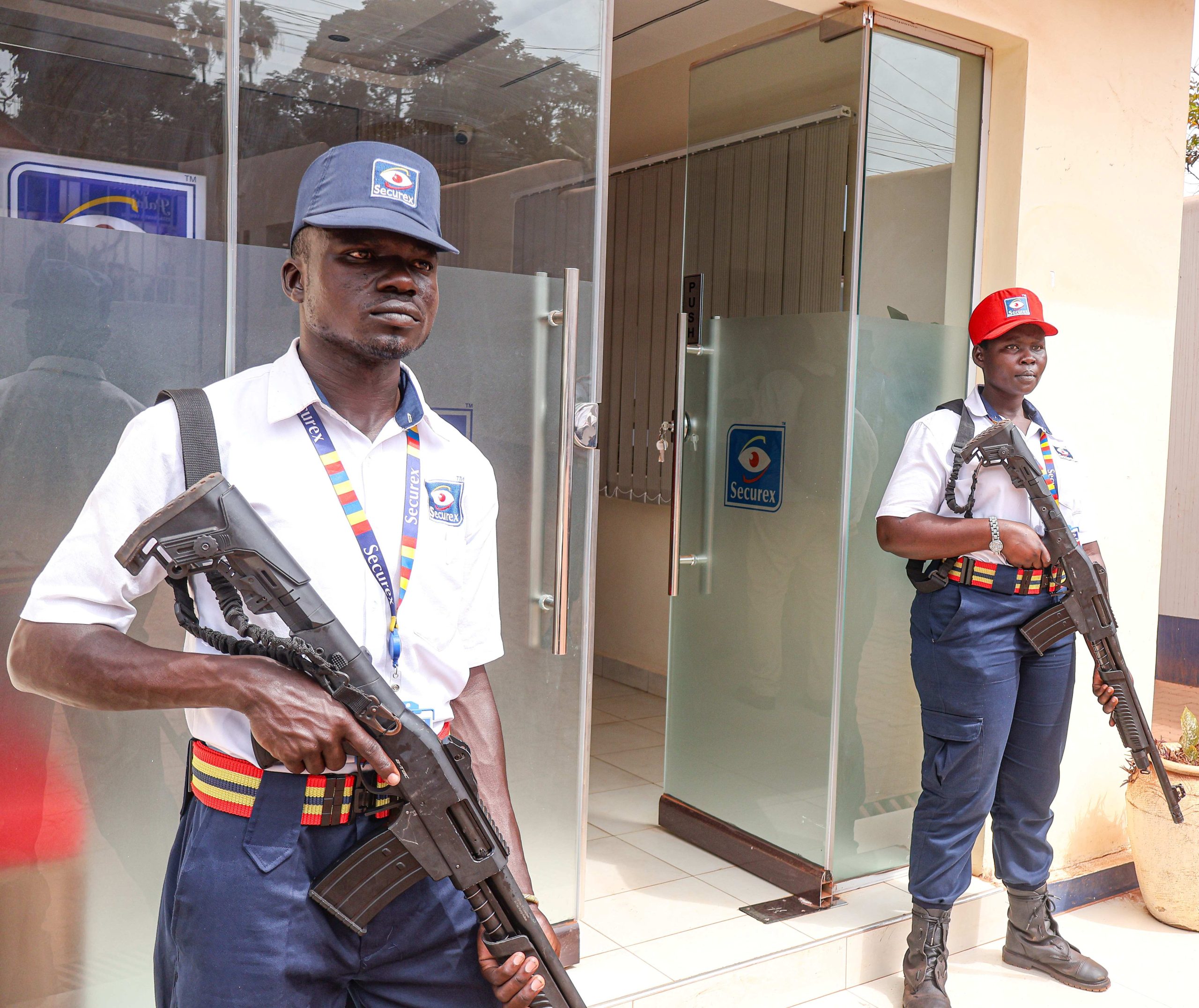
However, technology alone cannot guarantee safety. CCTV cameras, alarms and access-control systems must be properly installed, maintained and monitored, with trained personnel ready to respond when alerts are triggered. An unanswered alarm or a camera that misses critical entry points offers little reassurance. Security providers must also ensure their personnel, monitoring centres and response teams are adequately prepared for increased festive-season demands.
Before December’s activities ramp up, homeowners and business owners should review their arrangements, test their equipment, secure vulnerable access points, and establish clear emergency response procedures. Don’t wait for a break-in, theft, or security breach to expose weaknesses that could have been addressed earlier. Make the necessary security checks now, before the holiday season puts your arrangements to the test.
The writer is the technical manager at Securex Agencies Uganda.