


Kampala – Makerere University is pioneering digital services for students and alumni while calling on the government to establish a dedicated scholarship scheme for graduate students to improve timely PhD and master’s completion.
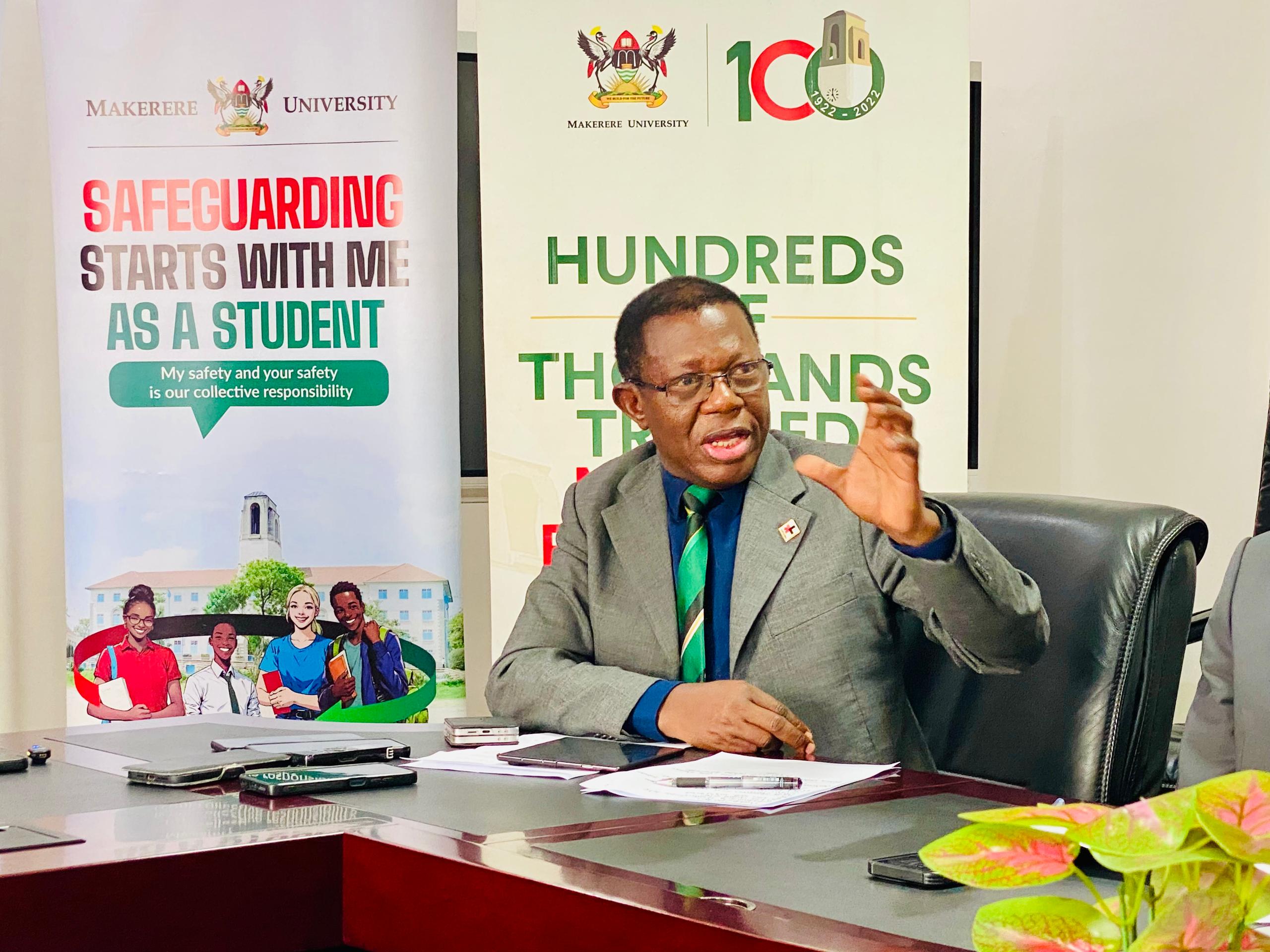
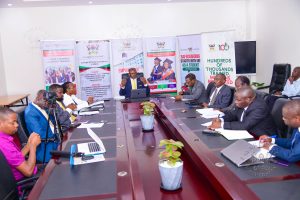
Speaking at a press briefing held Tuesday at the Main Building, Professor Mukadasi Buyinza, the Academic Registrar, unveiled the Makerere Academic Record System (MACARS).
“This means that both alumni and current students can access their certificates and transcripts digitally, including verification for organisations abroad,” Prof. Buyinza said. “This system has increased efficiency and reduced congestion on campus. Alumni and students can now view their academic records directly online.”
MACARS allows users to request certifications, registrations, or reinstatements entirely online. Digital verification for third parties is being rolled out, enabling employers or institutions to confirm credentials securely.
Prof. Buyinza added, “Students will no longer need to visit the university just to check their bills or records—they will be available online.”
Special scholarship scheme for graduate students
On scholarships, Vice Chancellor Professor Barnabas Nawangwe stressed that government support is crucial for graduate students.
“We have been appealing to the government to establish a special scholarship scheme for graduate students. All graduate students are self-sponsored, and that becomes very difficult for them to complete on time.”
He said research-based innovation leads to the creation of jobs, and that’s the path the university can take to liberate Uganda from poverty. “We must produce as many PhDs as possible. But if they remain self-sponsored, they won’t achieve it. We appeal to the government to provide scholarships or a targeted scheme for this group.”
He cited examples, including the university’s work in public health and agriculture: during the West African COVID-19 outbreak, Makerere teams were deployed for three years to help control the epidemic.
He said research on HIV and Ebola vaccines is ongoing, demonstrating the university’s critical role in regional health security.
“In agriculture, the College of Agriculture has provided soya seeds free of charge and trained farmers, while sorghum innovations in Arua and Karamoja have boosted yields fivefold, supplying local breweries and increasing incomes,” Prof Nawangwe noted.
Professor Robert Wamala, the Director of the Directorate of Research, Innovation, and Partnerships (DRIP), highlighting Makerere’s research agenda, emphasised the university’s role in addressing real-world problems.

“One of our main focus areas is solving issues that are actually happening in our communities. Engaging stakeholders ensures our research addresses these problems directly,” Prof. Wamala said.
Professor Julius Kikooma, Director of Graduate Training, added that self-sponsorship is the main reason for delayed graduations.
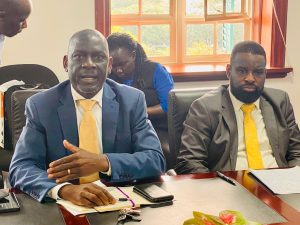
“If the recent graduation rates are anything to go by, 31% of those who graduated in the last ceremony were graduate students. Without financial support, achieving timely completion is very difficult,” Prof. Kikooma said.
By combining advanced digital academic services with calls for structured graduate funding, Makerere aims to enhance efficiency, accessibility, and research-driven national development, ensuring students contribute to societal solutions across Africa.