


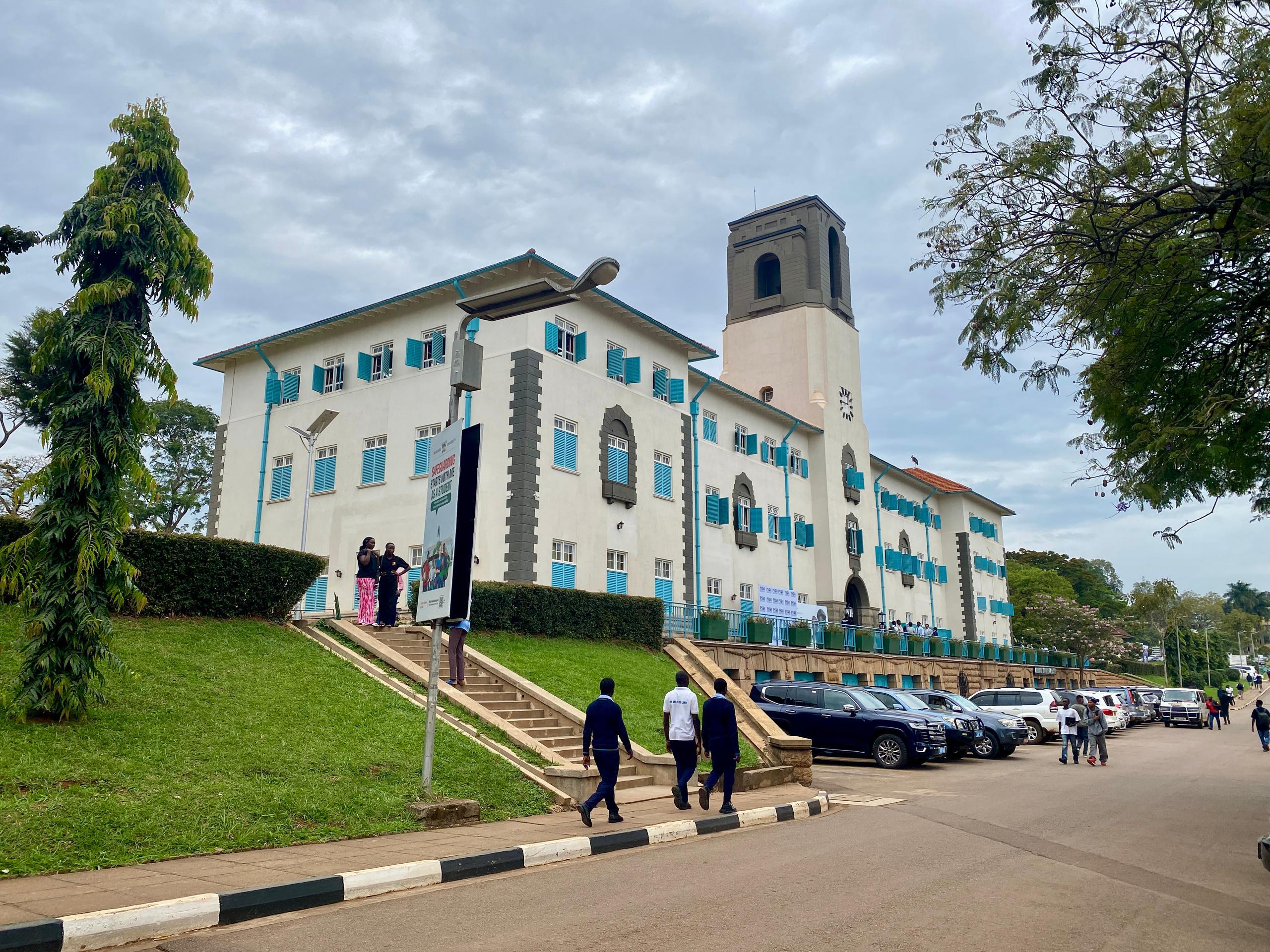
Makerere University has reaffirmed its commitment to producing high-quality doctoral graduates as part of a continental push to transform Africa through research, innovation, and knowledge-driven development.
Following Makerere University’s confirmation as the number one university in East Africa in the 2026 Times Higher Education (THE) World University Rankings, Professor Julius Kikooma, Director of Graduate Training, outlined the institution’s ambitious new targets.
“At Makerere University, this means ensuring that we make a consistent contribution to the collective target of 1,000 PhDs across the continent. At our last graduation, we produced 144 PhD graduates, but that number is set to rise significantly,” he said.

Kikooma explained that streamlined supervision and management processes have been put in place to accelerate doctoral completion. “At the moment, we are producing about 40 doctoral students per semester. In the short term, over the next three graduation cycles, we project that Makerere will be producing at least 300 PhDs. Our long-term goal is to reach 700 PhD graduates per graduation,” he said.
He added: “Most importantly, our focus is not just on producing PhDs, but on ensuring quality and relevance, training researchers who generate policy-relevant outputs and knowledge that directly contributes to national and continental development.”
Vice Chancellor Professor Barnabas Nawangwe emphasised that Africa’s need for doctoral graduates is urgent. “Africa needs to produce one million PhDs over the next decade to lift its people out of poverty. Currently, universities across the continent are only producing around 1,000 per year, a figure that must increase dramatically,” he said.
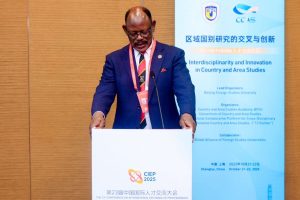
Speaking during an earlier research dissemination workshop, Prof Nawangwe highlighted the contrast with China, which produces more than 50,000 PhDs annually, and underscored the role of PhDs in advancing a “knowledge economy” where national progress is measured by research output per capita.
To address challenges such as low completion rates, funding shortages, brain drain, and a lack of focus on local innovation, Makerere has launched initiatives, including PhD completion grants, a digitised Research Information Management System, and the AI and Data Science Centre, designed to produce graduates who can drive technological and social innovation across Africa.
On the teaching front, Professor Sarah Ssali, Deputy Vice Chancellor in charge of Academic Affairs (DVCAA), highlighted steps to strengthen learning environments. “We have digitalised teaching and learning processes, introduced blended learning, implemented the Student Evaluation of Courses and Teaching system, and deployed a Student Attendance Management System to ensure academic integrity,” she said.
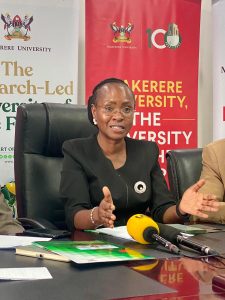
Ssali also noted that physical lecture spaces are being audited to meet international standards, ensuring a conducive environment for learning.
Dr Cyprian Misinde, Director of Quality Assurance, stressed the university’s global ambitions. “Our target is to become the number one university in Sub-Saharan Africa by 2030. We are focusing on strengthening teaching, learning, and innovation, improving graduate completion rates, and leveraging strategic partnerships,” he said.
Makerere’s global reputation was further highlighted by Mathias Ssemanda, the Manager for International Outlook, who noted that international universities trust Makerere graduates, easing postgraduate admissions and facilitating global opportunities.
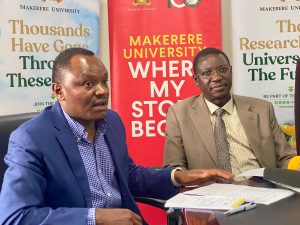
“Makerere University has a large and influential alumni network of over 420,000 living alumni worldwide. This network enhances the global mobility and credibility of our students,” he said.
The university’s efforts are already reflected in its recognition as East Africa’s top university in the 2026 Times Higher Education World University Rankings. Makerere ranked eighth in Sub-Saharan Africa and performed strongly in research quality (54.2%) and international outlook (69.7%), reaffirming its status as a leading African institution outside South Africa.