


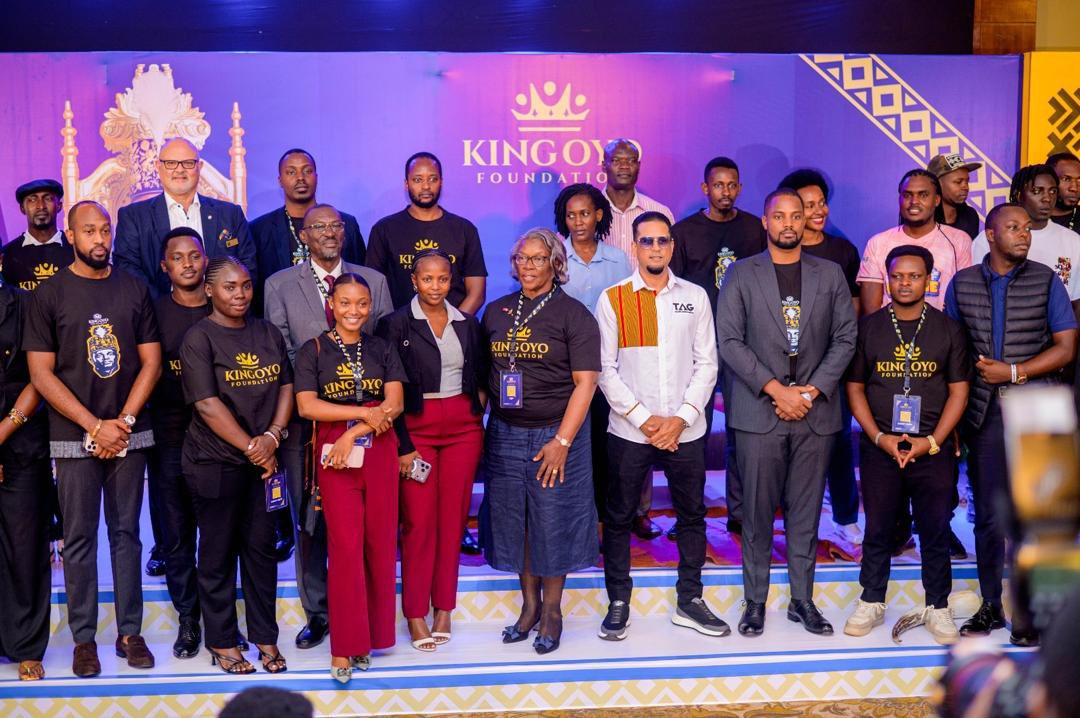
KAMPALA — The family of the late Tooro monarch, King Oyo Nyimba Kabamba Iguru Rukidi IV, has unveiled the King Oyo Foundation to carry forward his legacy through programmes targeting education, youth empowerment, healthcare, tourism, environmental conservation and agriculture.
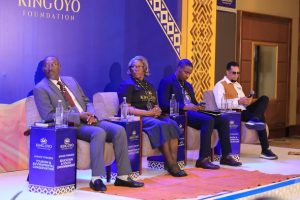
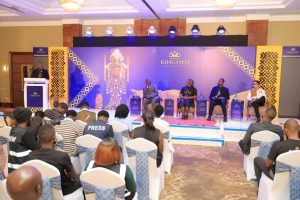
The foundation was introduced at a press conference at Sheraton Kampala Hotel on Monday, November 16, with its organisers outlining plans to preserve the late king’s achievements and translate causes he championed during his reign into community development initiatives.
Former Tooro Kingdom Prime Minister Steven Nyabongo Rwakijuma, who will serve as the foundation’s Chief Executive Officer, said the organisation would promote cultural heritage, unity, reconciliation and community service.
He said the foundation would not belong to any political faction or individual, but would be open to people from Tooro, across Uganda and in the diaspora.
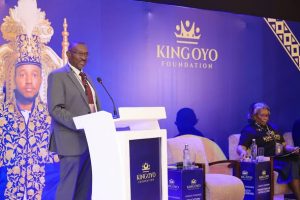
“The King Oyo Foundation belongs to no faction, no political interest, no individual, and no section of our society. It is a foundation for everyone who loved King Oyo, everyone who cherishes Tooro, and everyone who believes in the causes and values for which he lived,” Rwakijuma said.
Rwakijuma announced that President Yoweri Kaguta Museveni had agreed to serve as the foundation’s patron. The President is expected to attend its formal launch as Guest of Honour on December 15, 2026, at Speke Resort Munyonyo in Kampala.
One of the foundation’s flagship projects will be the establishment of the King Oyo Museum, which will preserve the late monarch’s personal collections, photographs, speeches, historical records and audiovisual recordings.
The museum is expected to have its main headquarters in Kitumba, Fort Portal, while King Oyo’s former residence in Buziga, Kampala, will also be transformed into a museum.
The two facilities are intended to provide opportunities for visitors, researchers, students and tourists to learn about the late king’s life, Tooro’s history, language, traditions and cultural institutions.
The foundation plans to use modern technology, interactive exhibitions and digital storytelling to make the kingdom’s history more accessible, particularly to young people.
Rwakijuma also said the organisation would work with Tooro Kingdom, government, cultural institutions, development partners and communities, stressing that it was not a political institution or an alternative to the kingdom.
“We seek cooperation, not competition. We seek partnership, not confrontation. We seek to complement the work of existing institutions, not adversaries,” he said.
Queen Mother Best Kemigisa, who initiated the idea, will remain the foundation’s founder. Rwakijuma also recognised Princess Ruth Komuntale for her role in efforts to ensure that her brother’s legacy continues.
Other proposals associated with the foundation include projects in healthcare, sports and agriculture. These include a research and teaching hospital with proposed cancer and HIV research centres, an international stadium and a model farm intended to support agricultural education, innovation and modern farming practices.
The proposed hospital would also support the training of Ugandan health professionals, while the model farm is expected to promote agribusiness and value addition among farmers and young people. The projects are part of the wider plans announced by the royal family; their budgets and implementation timelines have not yet been made public.
King Oyo died in the United States on August 27, 2026, aged 34, after receiving treatment for cancer. He ascended the Tooro throne on September 12, 1995, at the age of three, following the death of his father, King Patrick David Matthew Kaboyo Olimi III.
He assumed full responsibilities as monarch in 2010 after attaining adulthood and reigned for nearly 31 years. During his reign, he supported initiatives in tourism, youth empowerment, HIV/AIDS awareness and community welfare.
He was buried at the Karambi Royal Tombs in Fort Portal on September 12, 2026.
The foundation’s organisers say the initiative will provide an institutional framework for preserving his history while supporting programmes intended to benefit communities in Tooro and beyond.