


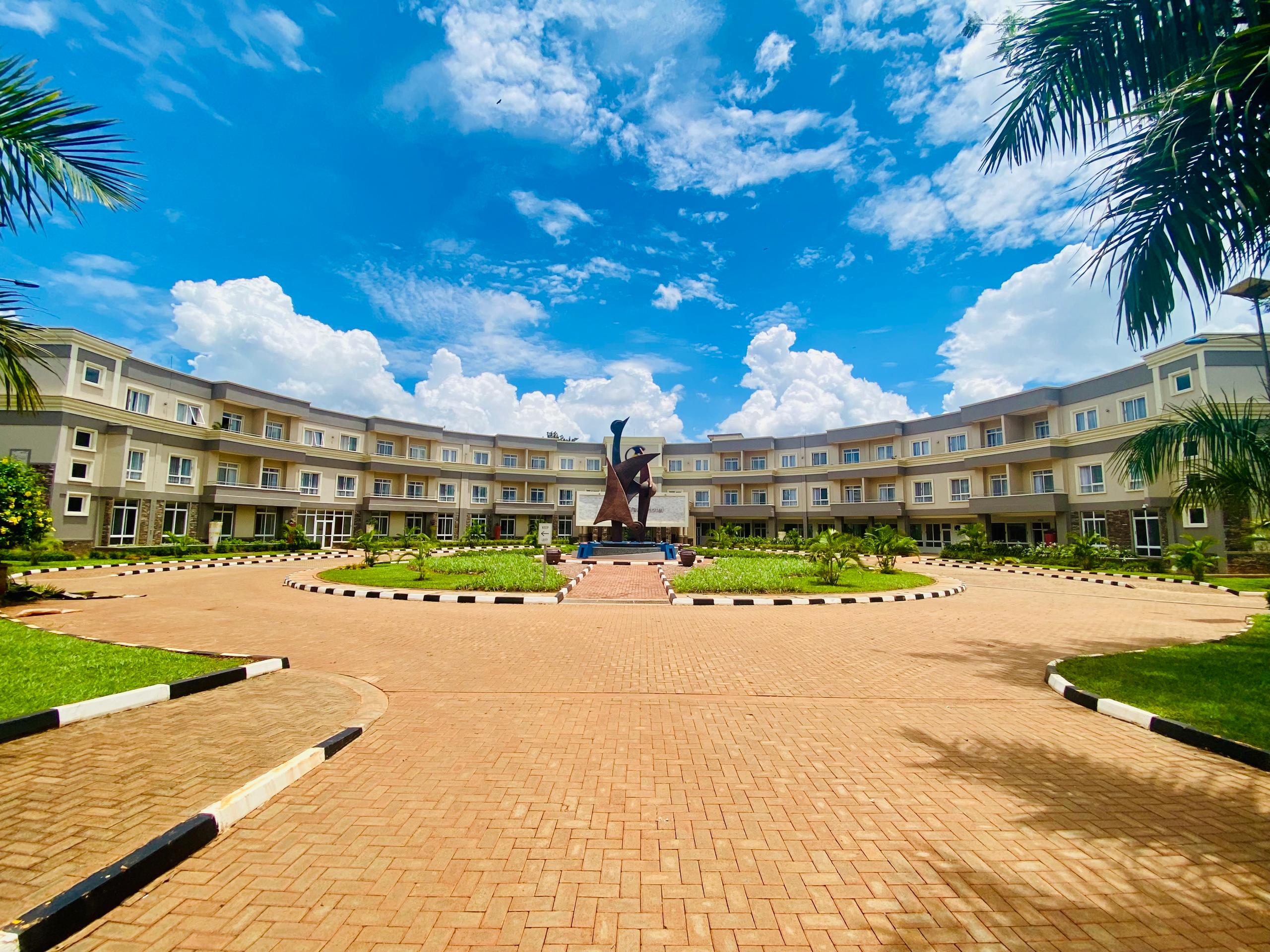
Jinja — The transformation of hospitality and tourism training in Uganda through the Hotel and Tourism Training College (HTTC), formerly Uganda Hotel and Tourism Training Institute (UHTTI) and its affiliated Crested Crane Hotel is expected to significantly boost the tourism sector, with officials saying the facility is producing industry-ready professionals who are directly contributing to the growth of the sector.
According to the College Principal, Mr Richard Kawere, the institution’s mandate is to strengthen human resource capacity in tourism and hospitality through the supply of a skilled and competent workforce.
Kawere said the Crested Crane Hotel model is central to Uganda’s tourism transformation, saying that the hotel isn’t just a hospitality facility but a strategic skills development engine for what is arguably the country’s fastest growing sector.

Tourism skills hub
Kawere said tourism is a major economic driver with the sector projected to generate up to $50 billion by 2035. He emphasised practical training, saying that when the tourists come, they expect to find competent professionals capable of driving the tourism agenda.
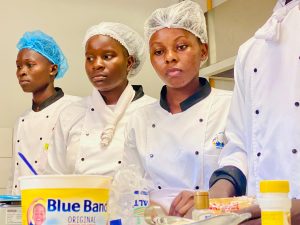
“Students must touch, practice, and feel, and this explains the reason as to why the government has strategically invested in this college,” Kawere said.
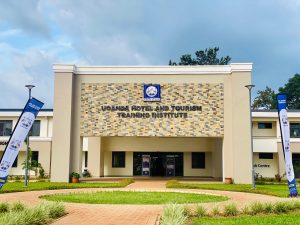
He said the college is solving the skills gap puzzle through the introduction of apprenticeships, a training model combining practical work experience with formal education, resulting in a recognised qualification.
“Through Enabel and Integrated Seed and Sector Development (ISSD), we are training about 500 apprentices, and the focus has been on people who, after Primary Seven, were unable to access formal education,” he said.
Enrollment
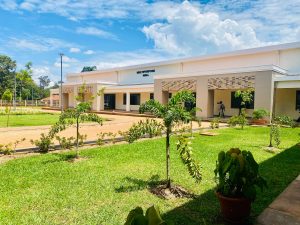
The institution currently trains about 1,500 students spread across three flexible learning systems, including regular/semester students, apprentices and students offering short courses. The regular students account for about 730 of the total student population, 600 are apprentices, while the rest are pursuing short programs.
“We operate conventional diploma and certificate programs, apprenticeship programs, skilling programs for out-of-school youth, and short courses for professionals,” Ms Caroline Gwiina, the college’s Quality Assurance Manager, said.

She said the college has trained thousands of hospitality professionals who are working in hotels and other tourism establishments across the country and beyond.
“We have over 5,000 alumni, and if you visit most hotels in Uganda, there is a high chance you will find our products,” Ms Gwiina said.

She said the college operates a structured governance system comprising a governing council, college management team, academic board and a students’ assembly led by the Guild President.
Curriculum development
Ms Gwiina outlined the core academic programs supporting tourism workforce development.
“We offer diplomas in Pastry and Bakery, Hotel Management, and Tourism Management and corresponding certificate courses. We recently introduced a certificate in Culinary Arts focusing on both local and international cuisines,” she said.

Excellence through competition
The college has positioned itself on the international stage through participation in national and international skills competitions.
According to Principal Kawere, the college has ably represented Uganda and won gold in the World Skills Africa competition held in Namibia in 2021, bronze in the World Skills Competition held in Belgium in 2023 and emerged 5th in the World Skills Competition held in France in 2025.

“We have just returned from Nairobi, Kenya, where two of our students represented the country in the Africa Skills Competition held at Boma International Hospitality College (BIHC) with our own Terran Paul Lugobe emerging as the 2nd runners-up in the Culinary Skills category and walking away with a silver medal in the Culinary Arts category,” Kawere said.
The other competitor, Brenda Alanyo, received a designer award in Barista, Mixology and general restaurant service.
European Union partnership and Busoga youth impact
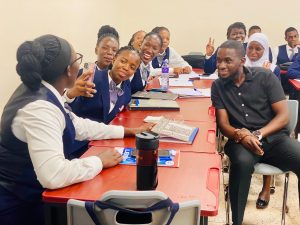
Through support from Enabel (Belgian Development Agency), funded by the European Union, the institution is expanding its community impact. Dianah Tumuhimbise, Employment Promotion Intervention Officer under Enabel’s “WeWork” project, explained that the initiative is focused on bridging the gap between training and employment through the Jinja Job Centre.
Beyond crucial skills development, the EU is currently supporting Uganda’s tourism sector through projects worth around EUR 20 million, focusing on destination marketing and sustainable growth.
“The project focuses on supporting youth to transition from skilling to employment,” she noted. “The Job Centre was created in response to two major challenges: employers reporting a skills gap among youth and graduates reporting a lack of job opportunities and access barriers,” she added.

Tumuhimbise said the Job Centre’s core function is serving as a matching platform. “The centre builds a database of employers with job openings and a database of job seekers and matches both groups to improve employment outcomes,” she said.
The job centre provides soft skills training, including CV writing, interview preparation, communication skills, and workplace readiness. It also provides computer access, internet services, and guidance on how to search and apply for jobs online.

According to Tumuhimbise, over 2,000 youth have received soft skills training, and over 100 youth have physically accessed the Job Centre services so far.
“The Job Centre is not only about job placement—it is about preparing young people for employment, building their confidence, and connecting them to opportunities,” she said.
Flexible learning and future expansion
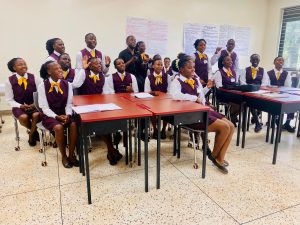
The institution is expanding access through flexible learning with online programs set to be launched soon, and short courses already available for skills like cooking, tour guiding and baking, among others. The college also plans to establish a training centre in Kampala to address the growing demand for hospitality and tourism training.
Samuel Adome, a first-year student pursuing a Diploma in Tourism Management, said the training is shaping his career.

“This diploma is going to help me manage teams and lead tourists effectively. I want to make sure visitors leave satisfied,” Adome said.
Another tourism student, Sharon Atim, said she plans to establish a tourism company that will be responsible for organising travels within and outside Uganda.

For Hotel Management student Zahara Maire, Front Office training is her passion.
“We are trained in housekeeping, Front Office, Food and Beverage, and kitchen operations. Hands-on learning is key. One student acts as a guest and another as a receptionist. We practice real customer service,” Zahara said.

The Crested Crane Hotel training model is directly contributing to Busoga’s tourism competitiveness by producing skilled professionals for hotels, tour companies, and attractions such as the Source of the Nile.
Origin and evolving mandate
The Institution was first established in 1994 as the Hotel and Tourism Training Institute (HTTI) and re-established in 2015 by the UHTTI Act, 2015 as The Uganda Hotel and Tourism Training Institute (UHTTI) under the Ministry of Tourism, Wildlife and Antiquities, with its mandate expanded to include research.


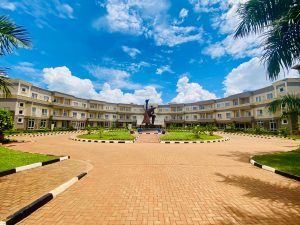
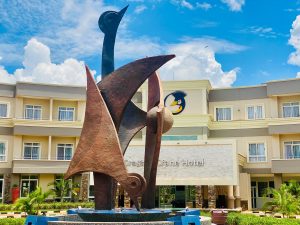
However, the history of the institution dates back to 1989 when it was first established as a pilot school under the International Labour Organisation (ILO) and United Nations Development Programme (UNDP) at Fairway hotel. In 1991, when Fairway Hotel was repossessed by its original owners, the ILO and UNDP decided to pull out of the project, leaving it entirely in the hands of the Government under the Ministry of Trade and Tourism (MTTI).




In 1994, the National Resistance Council (NRC) enacted statute No. 14 of September 1994, which established the Hotel and Tourism Training Institute (HTTI) under the then Ministry of Wildlife and Antiquities, later named as the Ministry of Tourism, Trade and Industry, and transferred the former Crested Crane Hotel and its assets to the new Institution.




In 1996, the Institution was shifted to Jinja, 80 km east of Kampala, and tasked with providing education, training and research in Tourism, Hotel Management and Catering. In 1998, the Institution was transferred to the Ministry of Education and Sports (MOES) as its line ministry, but in November 2007, following a Cabinet directive, it was again transferred back to the Ministry of Tourism, Trade and Industry as its parent ministry.




Recently, following the Technical and Vocational Education and Training ( TVET ) Act of March 2025, the institution was renamed Hotel and Tourism Training College (HTTC) with the Ministry of Education and Sports managing the assessment of students and overseeing curriculum implementation, while the Ministry of Tourism, Wildlife and Antiquities (MTWA) oversees the administrative duties.