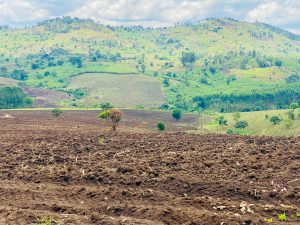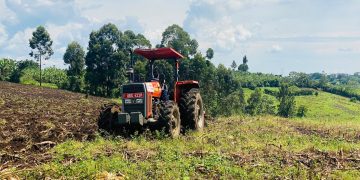



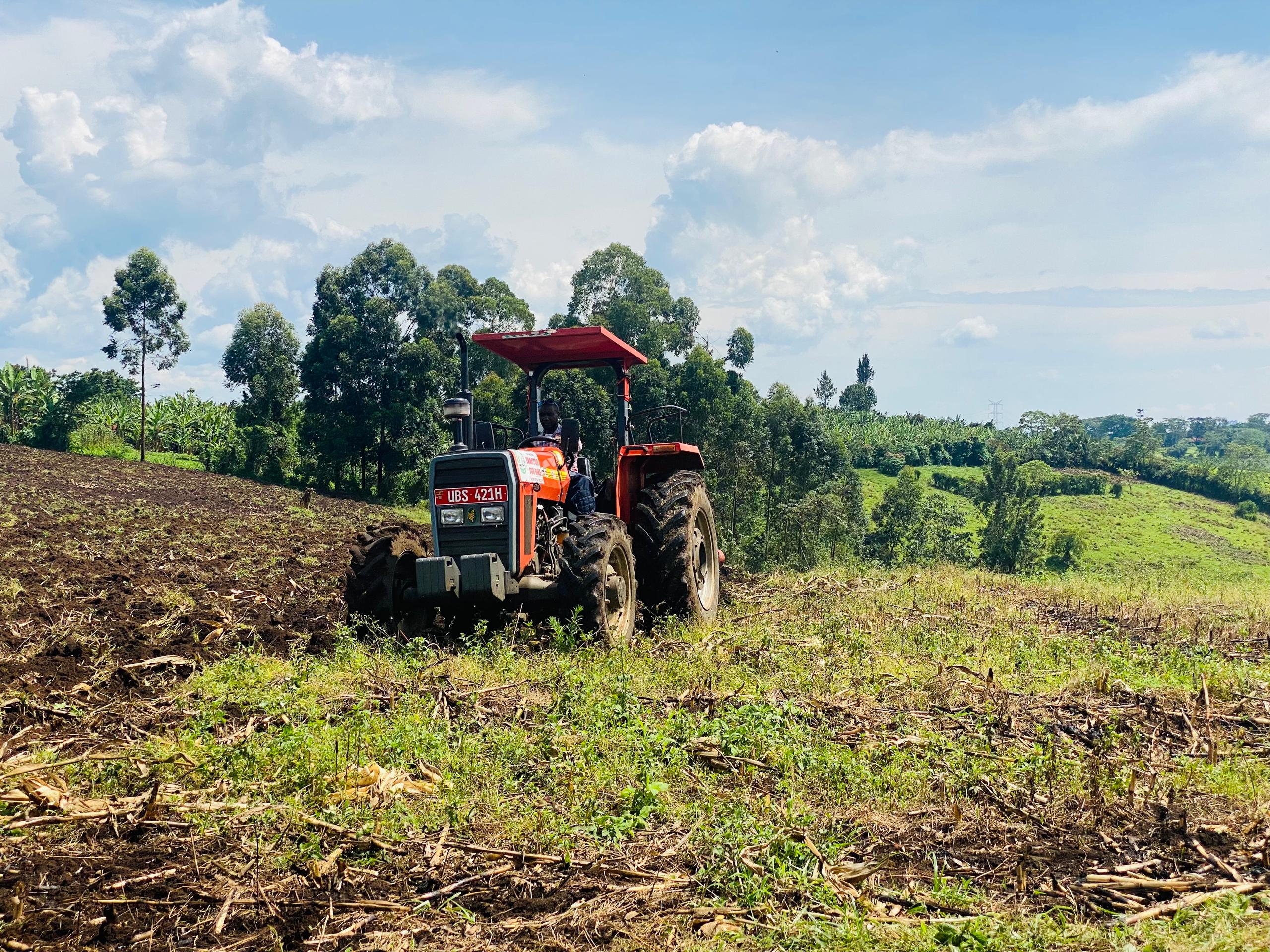
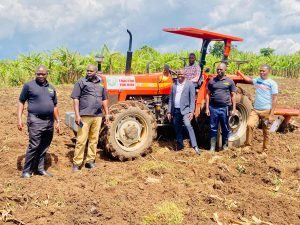
Kabarole, Kyenjojo — In the rolling hills of Kabende Sub-County, Kabarole district, the rhythm of the farming season has changed. For years, the pace was set by the slow, gruelling swing of the hand-hoe; today, it is dictated by the steady roar of a tractor.
To help farmers move from subsistence to commercial success, the Microfinance Support Centre (MSC), working closely with the Ministry of Local Government, is implementing Component B of the Local Economic Growth Support (LEGS) framework. By providing targeted financing for tractors and milling machinery, the initiative ensures producer groups can modernise their operations and maximise their productivity.
For Robert Abigaba, a maize farmer in Munsiso village, Kabende sub-county, this shift isn’t just about convenience—it’s about survival and scale. By slashing labour costs and doubling yields, a single government-supported tractor has turned Abigaba’s nine-acre struggle into a thriving sixteen-acre enterprise, proving that in rural Uganda, the right tool is the ultimate equaliser.
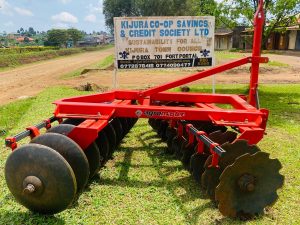
“I’ve benefited greatly from Kijura SACCO Limited, especially since they introduced a tractor that has transformed our agricultural activities,” Abigaba said. “Tasks like ploughing and sowing, which used to take days, can now be completed within the optimal planting time. This ensures our crops are planted on time and not delayed.”

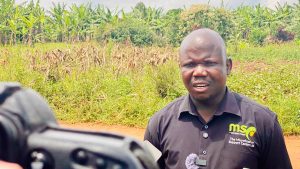
Robert Abigaba, a maize farmer, speaking from his garden in Munsiso village, Kabende Sub-County, Kabarole district, on Thursday, March 12, 2026.
The financial impact has been just as significant. “It costs me Shs120,000 per acre to plough using the tractor. Previously, doing it manually required about 30 workers at Shs7,000 per day for four days per acre. That’s far more expensive than using the tractor,” he explained.
The tractor has allowed Abigaba to expand from nine to sixteen acres, boosting yields from five to seven bags of maize per acre to about ten. “Mechanical farming allows deeper soil penetration, better seed burial, and natural fertilisation for the next season, unlike shallow manual tilling,” he noted.
Abigaba is already thinking ahead. “Currently, I sell raw maize, but I plan to process it before sale. Planting is still manual, but with a proper planter, I could maximise space and yields further.”
He also called for more government support: “One tractor is not enough for all the farmers. I would humbly request one or two more tractors and a planter to improve efficiency for everyone in the area.”

The LEGS Project is set to drive sustainable socio-economic growth across 17 districts by boosting household incomes and job creation while modernising agricultural value chains and rural businesses.
Rashid Mwesigwa, the tractor driver who joined Kijura SACCO in January 2025, says the job has helped him rebuild his life after spending two years without work. Previously a grader operator in road construction, he now uses the tractor to cultivate large areas of farmland while supporting his family and paying off debts.
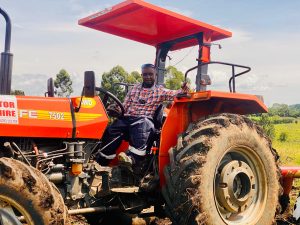
“This tractor has helped me a lot because I had debts and was even building a house at home. Sometimes I work from morning until evening and, depending on the land, I can dig up to 14 hectares a day, so it would be even better if we could get a second tractor.”
Component B is designed to uplift household incomes by bridging the gap to affordable, Shariah-compliant financing that utilises a markup (profit) mechanism instead of interest (riba). By targeting the development of productive value chains, the initiative drives inclusive growth through direct support for Financial Cooperatives (VSLAs and SACCOs) and Producers (farmer groups and SMEs).
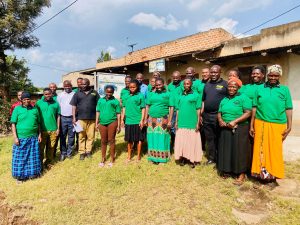
Gerald Ngiramahoro, General Manager of Kijura SACCO Limited, emphasised the cooperative’s approach. “We are grateful to the Government of Uganda through the Local Economic Growth Support (LEGS) programme for providing a farm tractor. This initiative has improved our members’ livelihoods and productivity.”
He said private tractors were charging Shs250,000 per acre, but the SACCO charges Shs100,000 to Shs140,000 depending on land conditions. This has boosted membership—last year, 2,400 new members joined, attracted by the tractor services. Today, Kijura SACCO has 10,000 members.
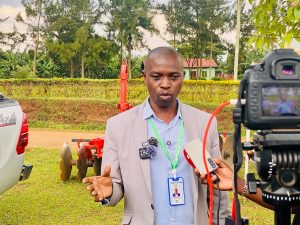
“Our goal is not to make excessive profit but to help farmers increase production, from small-scale manual farming to commercial output. For example, a farmer producing six tons of maize can save, pay school fees, and reinvest in farming,” he stated.
The tractor, which cost Shs145m, was procured with 60% government funding — thanks to Microfinance Support Centre (MSC) — and 40% from Kijura SACCO. “Profits and losses are shared at the end of the year. This is about building sustainable livelihoods, not profit-making,” he said.
Cooperatives Reap Benefits
Beyond the fields, women’s cooperatives are reaping benefits from microfinance support. Jeniffer Biira, Chairperson of Karugutu Sub-County Women’s SACCO in Ntoroko District, described how her group has transformed lives.
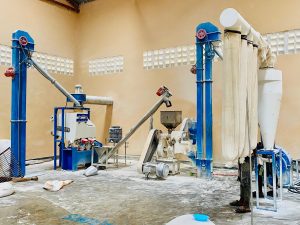
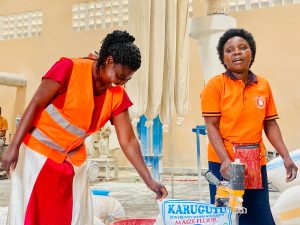
“We started in 2019 with ten members. Today, we have 271 members. LEGS linked us to financial institutions and provided Shs20m in loans, which we use to support farmers with agrochemicals for rice and maize production. We also have a maize mill and a rice mill, and we handle packaging,” Biira said.
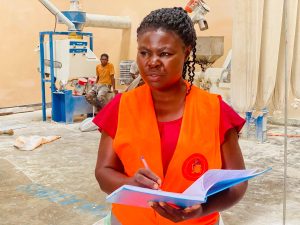
The cooperative now sells around 100 bags of maize flour per week to schools, with prices ranging from Shs22,000 to Shs60,000 per bag depending on quality. “We are also working on standardising our products according to Uganda National Bureau of Standards (UNBS) guidelines to improve quality and marketability,” she added.
In Kyenjojo District, cooperatives are leveraging microfinance support to reach markets farther afield.
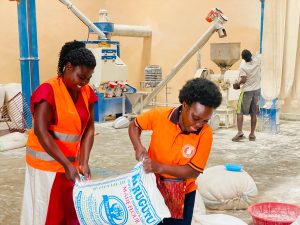
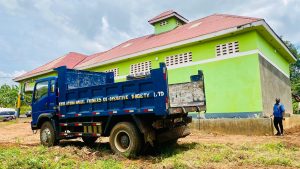
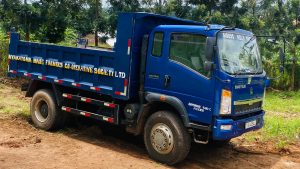
Peter Kanyomozi, chairman of Nyabubale Maize Farmers Produce and Marketing Cooperative, explained: “We started in November 2025 with 16 members. Today, we have 101. Microfinance Support Centre (MSC) gave us Shs10m and a truck to carry maize. The truck earns Shs4m monthly after paying the driver and conductor, and it allows us to transport produce to markets that were previously inaccessible.”
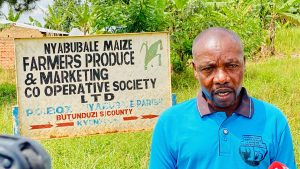
Similarly, Bernard Owoyesigyire, chairman of Nyakatoma Maize Farmers Cooperative, said the truck and Shs56m grant from MSC have transformed their cooperative. “We can now supply maize flour to Kabarole, Kasese, Kamwenge, Ibanda, and Mbarara districts. So far, we’ve made Shs27m in sales, with Shs2.7m profit monthly.”

Adam Ssentamu, chairperson of Kaitabahuma Kwetungura Group in Butunduzi Sub-county, Kyenjojo District, says their 70-member farmers’ group has grown from small savings to running businesses and shared investments through loans and collective effort.
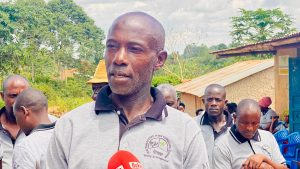
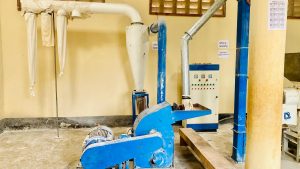
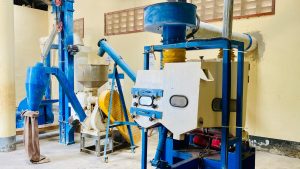
“We have 70 members, and we do our farming and business together. When we make profits, we return the money to the group; we started saving Shs10,000 each, but now we have saved up to Shs68 million, and with loans from the Microfinance Support Centre, we have bought cows, motorcycles and even built offices with a maize milling machine.”
Even individual entrepreneurs are seeing the benefits. Taxi driver Mugarura Prepato, who borrowed Shs5m from a cooperative, was able to buy a car for Shs36m and has paid back the loan.
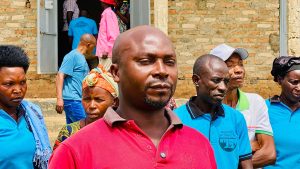
“I am now self-employed, can pay school fees for my five children, and support my two wives. This has changed my life,” he said.
Williams Okweda, Regional Manager of MSC for Western Uganda, said that over the last five years, MSC, in partnership with the Ministry of Local Government and Islamic Development Bank, has implemented the LEGS project across 17 districts.
“Component B, managed by MSC, targets rural microfinance institutions such as SACCOs, VSLAs, and agricultural enterprises. We have disbursed over Shs8bn in the Kabarole zone alone, benefiting more than 25,000 people.”
Okweda highlighted the results, noting that the project has improved household incomes, increased agricultural productivity, created jobs, and enabled families to send their children to better schools.
“Repayment rates are strong, over 80%, demonstrating the sustainability of the initiative. Based on LEGS 1’s success, Phase 2 will expand interventions to over 55 districts nationwide.”
From individual maize farmers to women’s cooperatives and transport-enabled cooperatives, the LEGS project, in partnership with the Microfinance Support Centre, is reshaping livelihoods in Western Uganda—proving that with the right tools, finance, and training, rural communities can thrive.
Backed by a USD 10.43 million allocation from the Islamic Development Bank, Component B officially launched in FY 2019/2020 following its activation on May 20, 2019. The Microfinance Support Centre (MSC) serves as the lead implementing agency, chosen for its proven technical expertise and deep experience in Islamic finance—the project’s cornerstone financing modality.