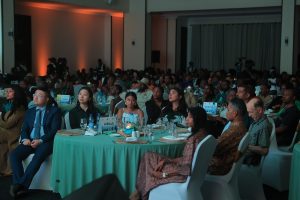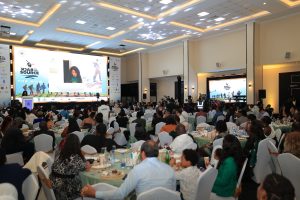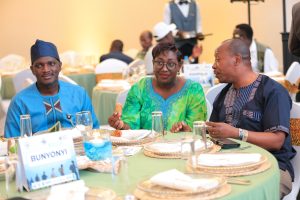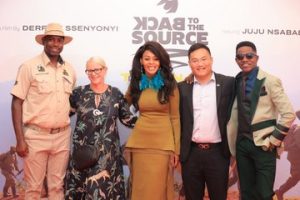



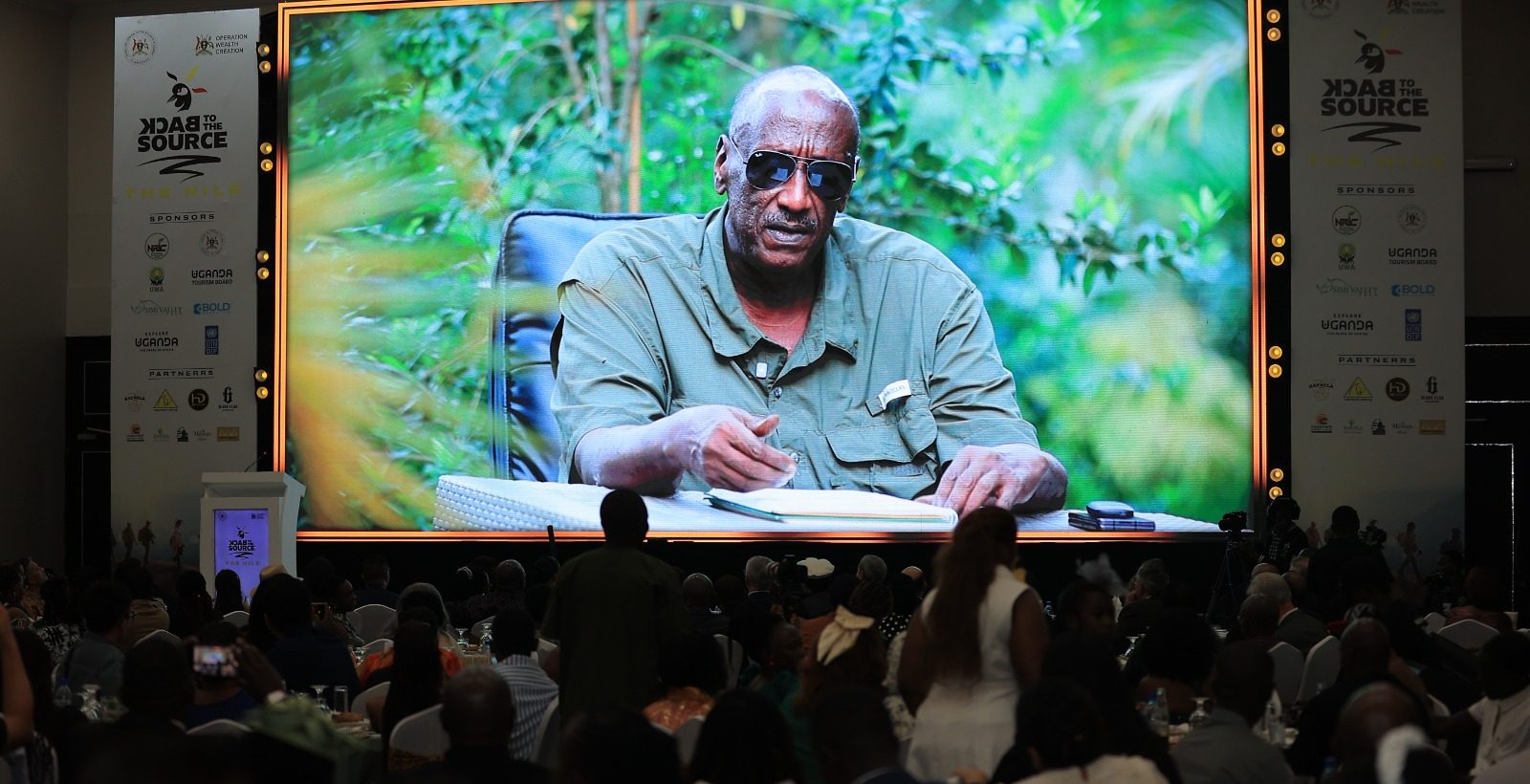
Kampala — Uganda’s creative industry received a major vote of confidence over the weekend as government officials, diplomats, and business leaders gathered in Kampala for the national premiere of Back to the Source – The Nile, a cinematic documentary highlighting the country’s identity, culture, and storytelling potential.
Speaking at the event held at Mestil Hotel in Nsambya, Gen (Rtd) Caleb Akandwanaho Salim Saleh, the Chief Coordinator of Operation Wealth Creation (OWC), praised recent policy efforts aimed at strengthening the creative sector.
“I’m very happy that steps such as the copyright law have been taken to boost the creative industry. We hope that it will help the creatives earn more money,” Gen Saleh said.
The premiere attracted a high-profile audience, including ambassadors, development partners, and private sector leaders, underscoring the growing recognition of storytelling as both an economic driver and a tool for cultural diplomacy.
In his remarks, Gen Saleh highlighted progress made over the past two years in empowering communities, particularly women, through government and partner-led initiatives. However, he cautioned that sustained impact would require stronger financial systems and deeper collaboration.

“While we have made progress, more work remains. We need stronger financial capacity and partnerships to sustain and expand these initiatives,” he noted, adding that ongoing collaboration with ministries and regional stakeholders remains critical.
The documentary, executive-produced by Ambassador Judyth Nsababera and directed by Derrick Ssenyonyi, follows a deeply personal journey along the River Nile, blending themes of identity, courage, and national storytelling. It has already gained significant international traction, reportedly reaching over 73 million viewers on Chinese digital platforms following its earlier premiere in Guangzhou.

Ambassador Nsababera, who also features as the central subject of the film, delivered a keynote address that set the tone for the evening. She emphasised the importance of telling Uganda’s story authentically on the global stage.
“This is about positioning Uganda through lived experience, not just promotion,” she said.

Development partners also echoed the call for stronger collaboration. Nwanne Vwede-Obahor, UNDP Uganda Resident Representative, noted, “This is the time to deepen collaboration between government, the private sector, creatives and development partners to scale up investments in tourism infrastructure, skills, innovation, and global storytelling.”
The event drew praise from attendees across sectors. Tourism entrepreneur Amos Wekesa described the documentary as “a beautifully crafted Ugandan story,” adding that storytelling plays a critical role in shaping the country’s global image.

“Tourism has taken off… young people are collaborating, and Uganda is being pushed more by our embassies abroad. This is the direction we need,” Wekesa said.
The Ministry of Tourism, Wildlife, and Antiquities lauded the documentary for revealing a personal side of Ambassador Judyth Nsababera while showcasing the symbolic power of the River Nile as a tool for global tourism and investment.

“The movie introduces us to a different side of Ambassador Juju as she narrates a unique story of her heritage, roots, and the symbolic power of the Nile to her people and Uganda at large.”
In closing, Gen Saleh commended the production team and invited audiences to experience the documentary, describing it as part of a broader movement to share Uganda’s story with the world. “This is just the beginning of many more powerful stories,” he said.
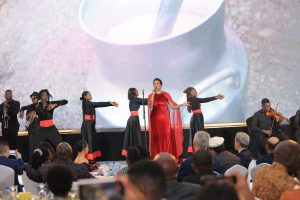
Organisers and supporters hailed the premiere as a milestone for Uganda’s film industry, with many pointing to the production quality and narrative depth as evidence of the country’s growing creative capacity.