


Kampala — Uganda and China have moved from coffee trade conversations to concrete investment ambitions, during the Uganda–China Coffee, Investment and Destination Conference 2026, signalling a new phase focused on turning dialogue into deals.
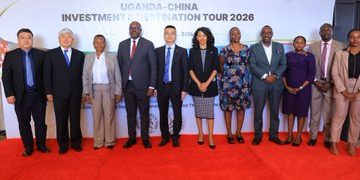
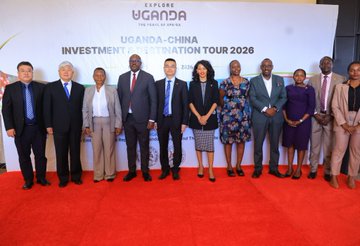
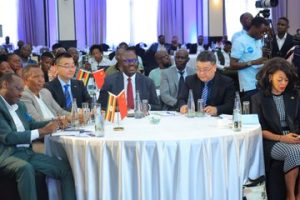
The conference, held under the Uganda–China Coffee, Investment and Destination Tour 2026, at Mestil Hotel & Residences, Nsambya on Tuesday, April 21, 2026, brought together a high-level Chinese delegation and Ugandan exhibitors for a strategic engagement aimed at deepening trade, tourism, and investment ties.
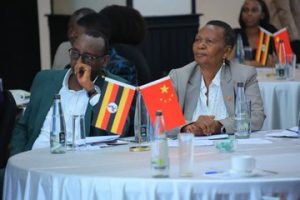
Uganda’s Ambassador to China, H.E Oliver Wonekha, said the initiative marks a shift from promotion to practical engagement. “We are moving from awareness to immersion. Uganda’s coffee exports to China grew by over 63% following the 2025 Awareness Tour, but real commitment comes from experiencing Uganda firsthand—its farms, its processing, and its people,” she said.
She emphasised Uganda’s investment framework anchored on Agro-Industrialisation, Tourism, Mineral Development, and Science and Technology (ATMS), urging delegates to translate interest into action.
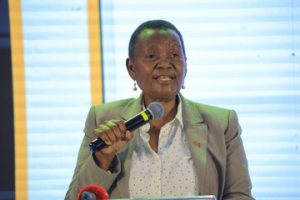
“Convert sample orders into full commercial shipments and signed MOUs into tangible investments within Uganda’s industrial parks,” she added.
Permanent Secretary at the Ministry of Foreign Affairs, Uganda, Vincent Waiswa Bagiire, described the conference as a culmination of a 10-day nationwide tour.
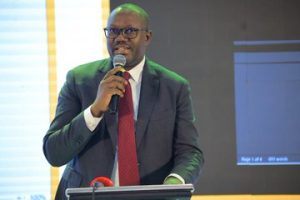
“The delegation has experienced Uganda’s full investment spectrum—from coffee value chains to tourism sites like the Source of the Nile and Bwindi. This is now the transition from awareness to concrete investment engagement,” he said.
He reaffirmed Uganda’s readiness for investors: “Uganda is open, stable, and investment-ready… We encourage you to move from buyers to long-term strategic partners.”
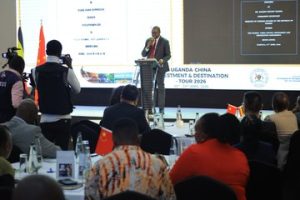
China’s Chargé d’Affaires, Fan Xuecheng, praised Uganda’s economic environment. “Uganda’s political stability, strong leadership, and young population are key enablers of investment and growth,” he said, encouraging Chinese firms to explore opportunities while supporting the Buy Uganda Build Uganda policy.
Private Sector Foundation Uganda (PSFU) CEO, Stephen Asiimwe, highlighted the scale of opportunity in China’s market. “If every Chinese person spends one dollar on your product, you become 1.4 billion dollars richer,” he said.
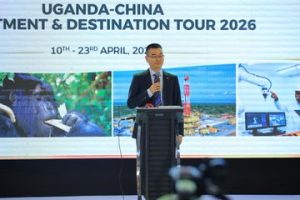
“We are here to do business… we are here for joint ventures… we are here for win-win investments.” “If you drink Ugandan coffee, you get business ideas… When you win, we win.”
On the investment front, Zhang Hao, chairman of the Liao Shen Industrial Park in Kapeeka, shared firsthand experience. “Uganda offers a growing market, a young workforce, stable policies, and a reliable power supply—these are critical for long-term industrial investment,” he said.
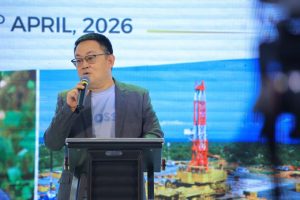
Representing the Chinese delegation, Ding Zuowei, expressed satisfaction with the tour. “Our objectives have been fully achieved. We are impressed by Uganda’s organisation and the vast potential, especially in agriculture,” he noted.
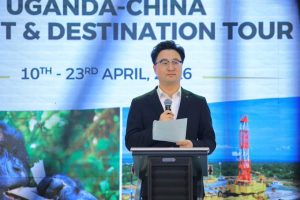
Alfred Okir, Assistant Commissioner, Coffee Development at the Ministry of Agriculture, Animal Industry and Fisheries (MAAIF), underscored Uganda’s global coffee standing.
“Uganda produces about 9.3 million bags and exports 7.8 million valued at $2.2 billion. We are number one in Africa for Robusta exports,” he said. “Coffee supports over 12.5 million Ugandans, and we invite investors into value addition, direct trade, and processing.”
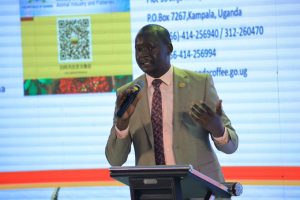
At the Uganda Investment Authority, Deputy Director Rita Nabateregga Mugula emphasised investor support systems. “Uganda offers a one-stop centre, incentives, and an investor-friendly framework to support sustainable business growth,” she said.
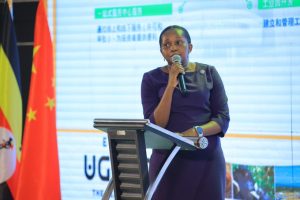
Tourism was also positioned as a major investment driver. Lynette Nakamanya, Marketing Officer, Leisure at the Uganda Tourism Board, highlighted the country’s unique appeal.
“Uganda is a melting pot of cultures… When you invest in tourism, the whole economy benefits,” she said. “People who drink coffee will want to experience where it is grown—and that is Uganda.”
She added:“Forty to fifty-five percent of global travellers are looking for food-linked experiences.”
Closing the conference, Uganda’s Consul General in Guangzhou, Amb Judyth Nsababera, emphasised the importance of experiential diplomacy.

“Uganda does not need to be explained. Uganda needs to be experienced and understood,” she said. “We do not see you as visitors. We see you as long-term partners and friends.”
She concluded with a call for continuity: “Let this not be the end of the visit. Let it be the beginning of a partnership.”

The conference follows a nationwide tour that included visits to coffee farms such as Clarke Farm in Western Uganda, where delegates witnessed large-scale processing and value addition—further reinforcing Uganda’s position as a competitive global coffee origin and investment destination.