



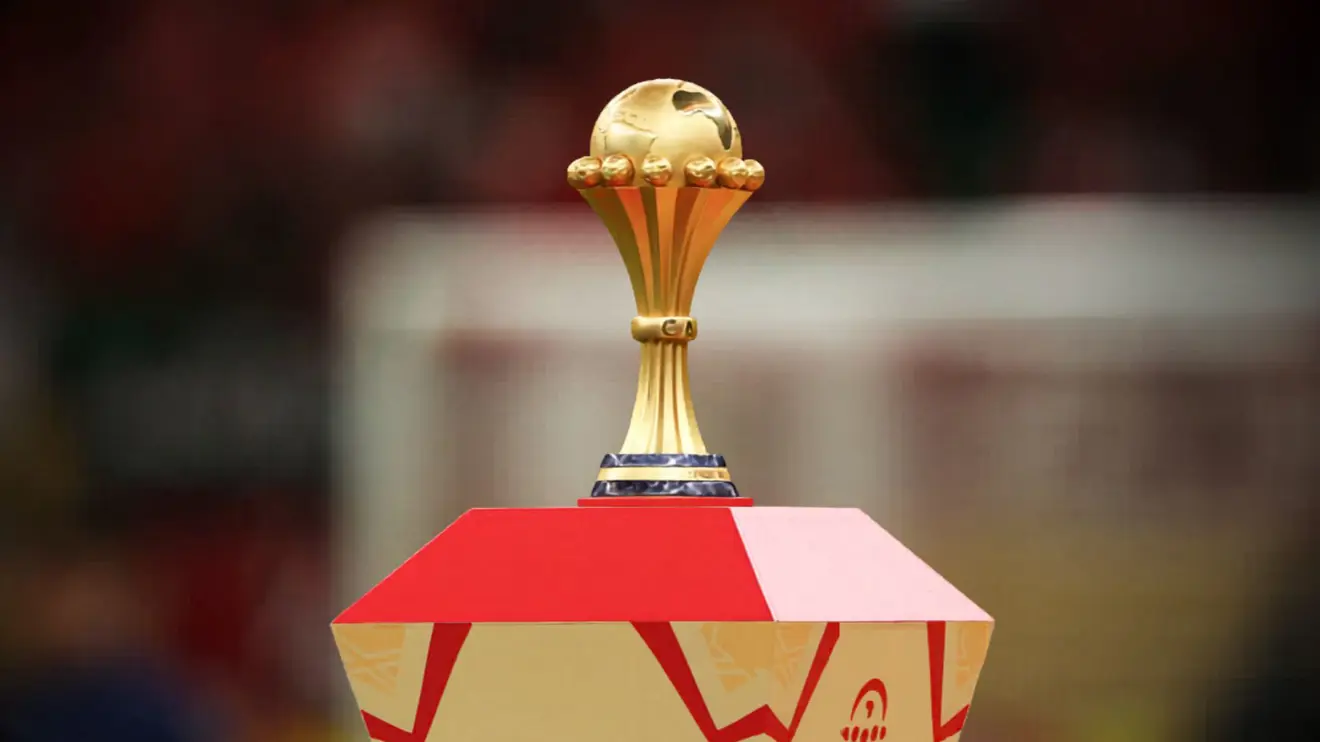
The Confederation of African Football (CAF) has reinstated the Africa Cup of Nations (AFCON) to a two-year cycle, reversing a decision made last year to hold the continental tournament every four years.
The CAF Executive Committee unanimously approved the change on Thursday, October 29, 2026, following a review of the proposed competition calendar and concerns about the financial sustainability of African football.
CAF President Dr Patrice Motsepe had announced during the CAF Strategic Conference held in Cape Verde from October 7 to 9 that the Executive Committee would reconsider the decision to move AFCON to a four-year cycle.
The earlier proposal was linked to plans to introduce a new pan-African competition, the Nations League, which was intended to replace the existing AFCON format and be played every two years.
However, CAF said the proposed Nations League would take several years to generate the substantial financial resources required to support the development of African football and make its competitions globally competitive and financially self-sustaining.
Motsepe said the decision to restore the two-year cycle was intended to protect the interests of African football and its 54 member associations.
“The decision by the CAF Executive Committee to reinstate the organisation of the AFCON every two years aims to advance, protect and promote the interests of African football and the 54 CAF Member Associations, as well as those of African players playing for clubs outside the continent,” Motsepe said.
He added that CAF was concerned about the time it would take for the proposed Nations League to generate sufficient financial benefits to support football development across the continent.
Under the revised calendar, the next AFCON will be held in 2027 in Uganda, Kenya and Tanzania, with subsequent editions scheduled for 2028, 2031 and 2033.
The 2027 tournament will therefore be followed by another edition in 2028 before the competition returns to a three-year gap in 2031.
Motsepe explained that the scheduling arrangement takes into account the 2030 FIFA World Cup, noting that AFCON and other continental national team competitions cannot be held during a FIFA World Cup year under established FIFA scheduling practice.
The 2027 edition will be a historic milestone for East African football, with Uganda, Kenya and Tanzania jointly hosting the continent’s biggest football tournament.
Motsepe expressed confidence that the three countries would deliver a successful competition.
“The next edition of the TotalEnergies CAF Africa Cup of Nations will take place in 2027 in Kenya, Tanzania, and Uganda, and I am confident it will be a great success,” he said.
Beyond its sporting and commercial significance, Motsepe described AFCON as a celebration of Africa’s cultural diversity and a platform that brings together people across the continent and the diaspora.
“The Africa Cup of Nations is also a celebration of African football, the richness and diversity of our continent’s cultures, customs, and traditions,” he said.
“It brings together the people of the 54 African countries, the African diaspora, and people from all over the world.”
CAF said the reinstatement of the two-year cycle would contribute to the growth and development of football across its member associations while safeguarding the commercial interests of African football.