



Uganda is seeking to move beyond reliance on remittances and attract more investment, skills and technology from its citizens abroad, following consultations with Ethiopian officials on diaspora mobilisation.
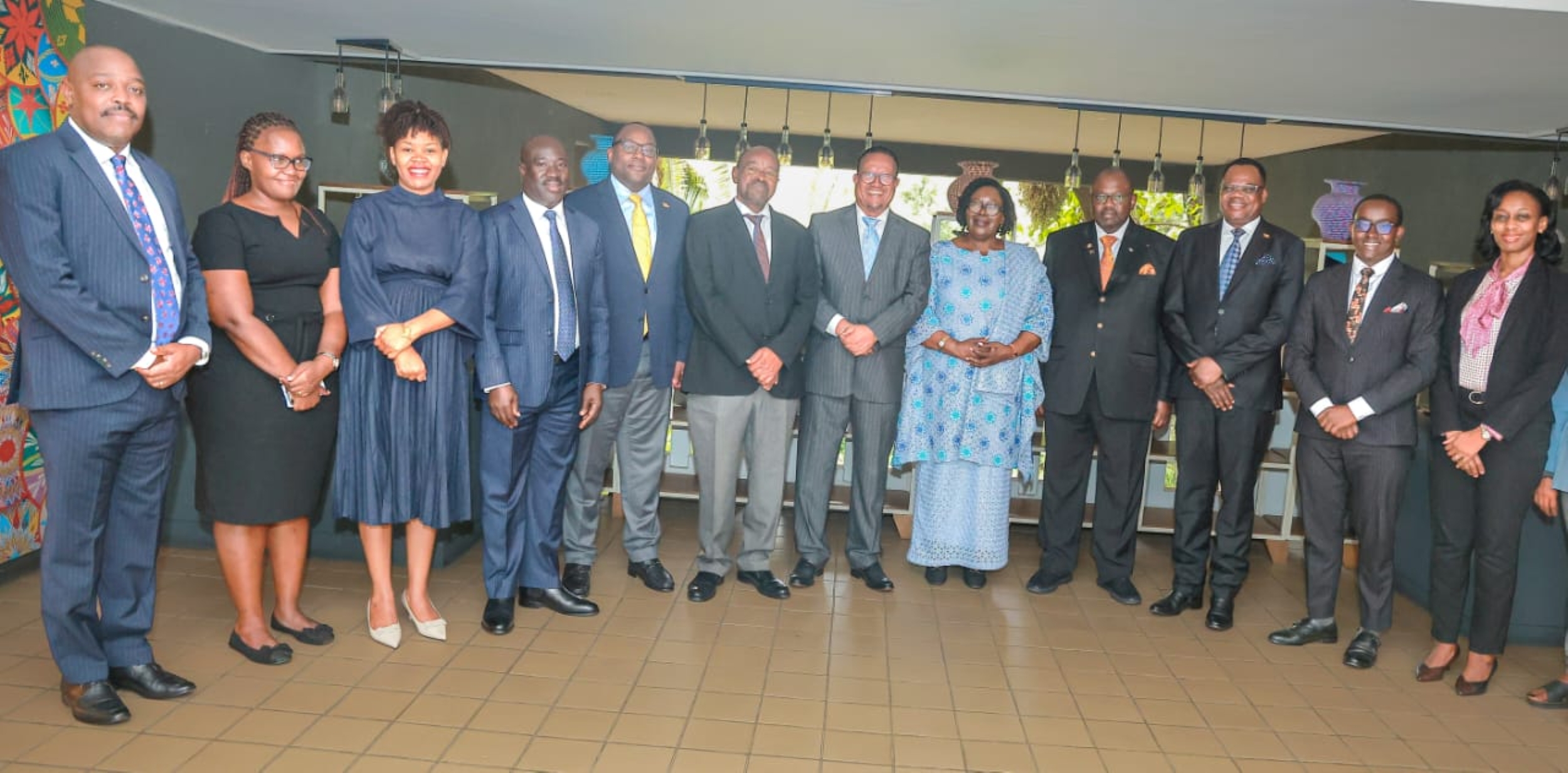
A Ugandan inter-ministerial delegation led by Minister of State for Finance, Planning and Economic Development (Planning) Amos Lugoloobi held discussions with Ambassador Lencho Bati, Director-General of the Ethiopian Diaspora Service, in Addis Ababa on November 25, 2026.
The meeting was part of a five-day benchmarking mission to Ethiopia running from November 23 to 27, aimed at identifying legal, institutional, financial and digital approaches that Uganda can adopt to implement its first comprehensive National Diaspora Support and Engagement Policy.
Lugoloobi said President Yoweri Kaguta Museveni had tasked the delegation with studying Ethiopia’s experience, particularly its ability to mobilise citizens abroad to support national development projects.
He said Uganda wanted to build on the contribution of remittances by creating mechanisms to attract diaspora investment, identify professional skills and facilitate technology transfer.

“However, we now wish to move beyond just remittances. We are here to learn from Ethiopia’s remarkable success in leveraging its diaspora for flagship national projects like the Grand Ethiopian Renaissance Dam, and to adopt institutional arrangements for mapping diaspora skills, driving technology transfer, and expanding productive investment,” Lugoloobi said.
According to the delegation, remittances to Uganda have more than doubled from about US$1.4 billion in 2024 to US$3.03 billion in the 2025/2026 financial year.
Lugoloobi said the inflows play a significant role in supporting Uganda’s economy, including stabilising the currency and contributing to the country’s capacity to service debt.
The delegation sought information on Ethiopia’s diaspora registration systems, investor protection measures, capital-market instruments and ways of encouraging citizens abroad to participate in national development.
Bati said Ethiopia had used diaspora engagement to promote national cohesion and mobilise resources for major development projects.
He said the country had also worked to change perceptions of African migrants by recognising their contributions as financial, cultural and tourism ambassadors.
“Diaspora engagement is a powerful catalyst for national cohesion and economic transformation, especially when communities are united around flagship national projects like the Renaissance Dam,” Bati said.
He cited the identification of diaspora professionals, engagement of second-generation young people through their cultural roots and the use of origin-identification cards as some of the measures that could encourage greater participation.
Bati also emphasised the need for governments to engage diaspora communities directly, listen to their concerns and work through organised associations to reach different groups.

The Ugandan delegation includes officials from the Ministries of Finance and Foreign Affairs, the Office of the Solicitor General, State House, Bank of Uganda, Capital Markets Authority, National Planning Authority and Ministry of Internal Affairs.
The findings from the Ethiopia mission are expected to inform proposed legislative principles, financial products and an inter-ministerial action plan to be submitted to the Prime Minister and Cabinet.
The delegation is also scheduled to undertake a similar benchmarking mission in New Delhi, India, from December 7 to 11, 2026.
The consolidated findings from the two missions are expected to be presented and discussed during the 3rd Annual Uganda Diaspora Convention, scheduled for December 18–22, 2026, at Speke Resort Munyonyo.
The proposed policy is intended to provide a coordinated framework for engaging Ugandans living abroad in investment, skills development, technology transfer and other areas of national development.