



The Bank of Uganda has raised the Central Bank Rate (CBR) from 9.75% to 12.0% after a special Monetary Policy Committee meeting on 14 October 2026.
The decision aims to contain rising inflation risks driven by higher fuel prices and exchange rate pressures, while safeguarding price stability.
The Bank also raised the Cash Reserve Requirement (CRR) from 11.0% to 13.5%, effective 24 September 2026, to manage excess liquidity in the banking system and strengthen monetary policy effectiveness.
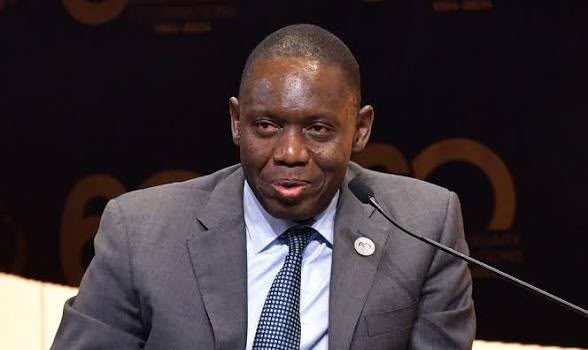
The decision was announced on Wednesday, October 14, by Governor Michael Atingi-Ego, following a special meeting of the central bank’s Monetary Policy Committee (MPC).
The bank said inflation risks had increased following the escalation of conflict in the Middle East, which has disrupted shipping routes, pushed up global oil prices and increased transport and insurance costs.
Annual headline inflation rose to 4.6% in September, up from 4.1% in August, mainly due to higher food prices and fuel costs.
Core inflation, which excludes some items with frequently changing prices, also increased from 3.5% in August to 3.7% in September.
Although inflation remains below the bank’s medium-term target of 5% for core inflation, BoU warned that prices could rise more quickly in the coming months.
The bank now projects headline inflation to average between 7% and 7.5% over the next 12 months, while core inflation is expected to average between 5.5% and 6%.
The central bank attributed the expected increase partly to pressure on the shilling, which has made imports more expensive, including fuel.
The bank also pointed to reduced agricultural commodity prices, particularly for coffee and cocoa, and lower tourism receipts as factors contributing to the deterioration of Uganda’s external trade position.
Uganda’s current account deficit, which measures the difference between money earned from abroad and payments made to other countries, widened by US$1.4 billion to US$4.6 billion, according to the statement.
Growth forecast lowered
Despite the inflation risks, the bank said Uganda’s economy continued to expand, although growth had slowed.
Economic growth is projected at 6.4% for the quarter ending September 2026, down from 6.8% in the quarter ending June, according to figures cited from the Uganda Bureau of Statistics.
For the 2026/27 financial year, BoU has lowered its economic growth forecast to between 6% and 6.5%, from an earlier projection of 7% to 7.5%.
The bank attributed the downgrade to higher global energy prices, pressure on the shilling, tighter financial conditions and uncertainty arising from international conflicts.
However, it expects economic growth to strengthen to an average of about 8% over the medium term, supported by private investment, stronger exports, anticipated developments in the oil sector and the government’s Tenfold Growth Strategy.
Banks required to hold more reserves
The bank also announced that the rediscount rate would stand at 15%, while the bank rate would remain at 16%.
Higher interest rates can make borrowing more expensive for businesses and individuals, potentially slowing spending and demand. This can help reduce pressure on prices, although it may also increase the cost of credit.
BoU said it would continue monitoring economic developments and take further action if necessary to maintain price and financial stability.
The bank warned that further increases in global oil prices, additional weakening of the shilling, poor weather and rising transport and production costs could push inflation higher.
However, improved agricultural output, weaker demand and a fall in international commodity prices could help ease price pressures.