


KAMPALA — The Government of Uganda, the Intergovernmental Authority on Development (IGAD) and development partners have begun consultations on a five-year programme aimed at transforming livestock production, strengthening peacebuilding and improving resilience in the Karamoja sub-region.
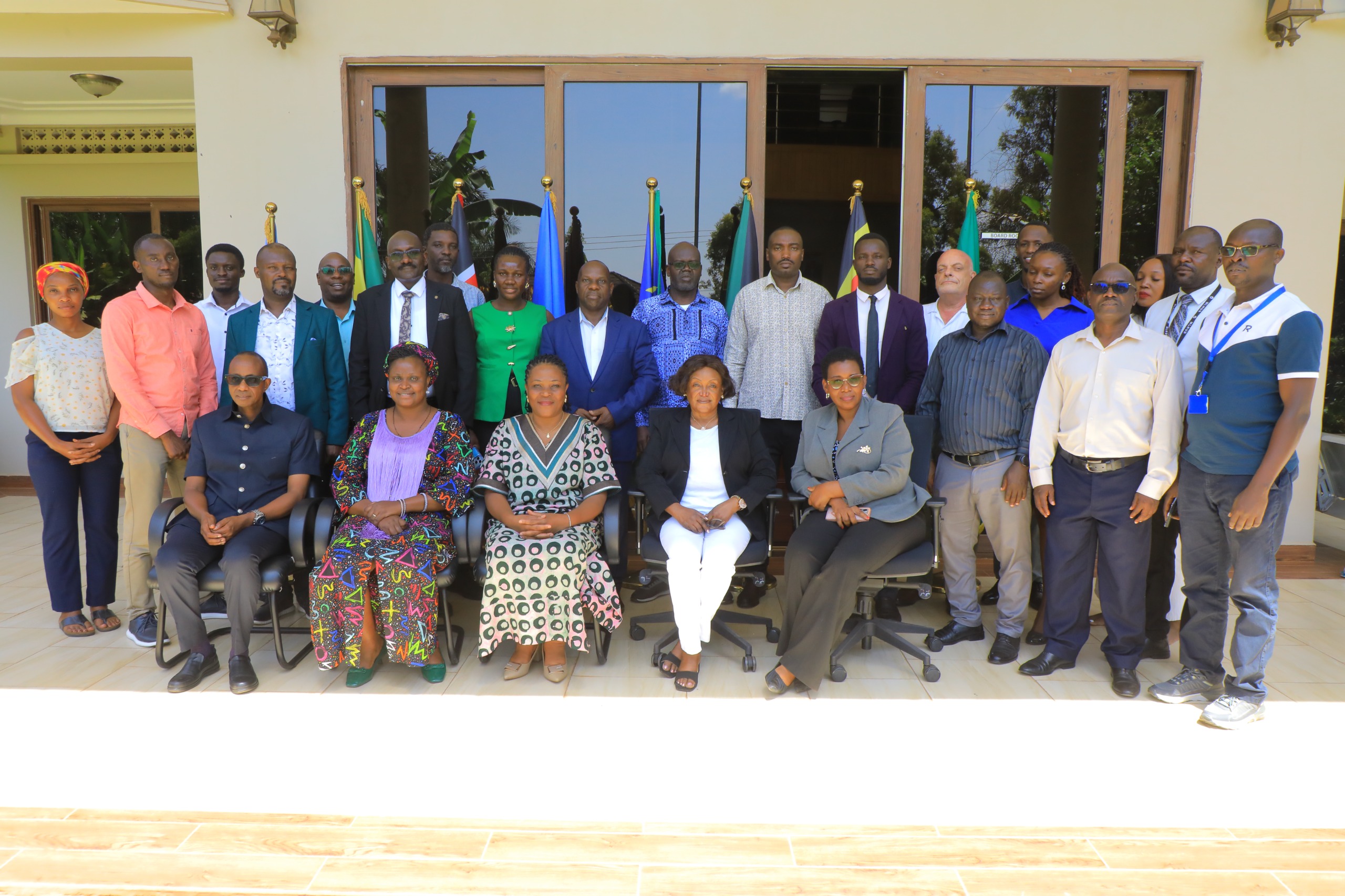
The proposed Integrated Livestock Development, Peacebuilding and Resilience Enhancement for Sustainable Livelihoods in Karamoja (ILPRE-Karamoja) was unveiled on Friday during a national consultative workshop on the Joint Karamoja Programme convened by the IGAD Mission to Uganda in Naguru, Kampala.
The programme is proposed to run from January 2027 to December 2031 and is intended to build on gains made under the IGAD Drylands Strategy and the 14-year Karamoja Integrated Development Programme.
Presiding over the workshop, IGAD Head of Mission to Uganda Joselyn Bigirwa said the initiative followed engagements between IGAD Executive Secretary Dr Workneh Gebeyehu and Gen Salim Saleh, as well as subsequent guidance from the Office of the President.
Bigirwa said the programme would focus on five strategic areas: increasing livestock productivity, promoting sustainable cross-border management of grazing lands and water resources, preventing conflicts, strengthening livestock markets and improving land-use governance.
She also stressed the need to deliberately involve women and youth, saying communities should be positioned as active drivers of development rather than passive beneficiaries.
Implementation of the programme will be aligned with Uganda’s existing national frameworks, particularly the Karamoja Integrated Development Programme and the Fourth National Development Plan. IGAD will coordinate with Operation Wealth Creation, the Office of the Prime Minister and the Ministry of Foreign Affairs.
A multi-agency technical steering committee chaired by Bigirwa will provide technical oversight. The committee includes Dr Dominic Kathiya Lokeris of the IGAD Centre for Pastoral Areas and Livestock Development, Dr Geofrey Sabbitti of the IGAD Climate Prediction and Applications Centre, Monitoring and Evaluation specialist Denis Kibuuka, Andrew Malinga of the Conflict Early Warning and Response Mechanism, Innocent Ndahirwe, who handles forced displacement and migration, Dr Sylvia Henga, a food policy specialist, and Ismail Garo, who oversees trade.
The Chairperson of the Karamoja Development Partners Group said integrated livestock development, peacebuilding, climate resilience and sustainable livelihoods would remain key funding priorities.
Development partners were urged to move beyond conventional livestock interventions and invest in animal health, water infrastructure, rangeland management, value addition and market access.
The Chairperson said peace and social cohesion were essential to enabling communities to access markets, education and health services.
Delivering the keynote address, Dr Edith Namutebi Nsubuga, Head of the Peace and Security Department at the Ministry of Foreign Affairs, reaffirmed Government’s commitment to maintaining stability in Karamoja and other border regions.
She said the Ministry’s mandate includes protecting Uganda’s international reputation and promoting regional stability, which she described as essential to achieving Vision 2040.
“Government remains committed to providing an enabling security environment so that development actors can prioritise livelihoods and resilience,” Dr Namutebi Nsubuga said.
She acknowledged the substantial investment made through previous interventions, including the Karamoja Integrated Development Programme, but said the results highlighted the need for better coordination, clearer prioritisation and stronger accountability.
Dr Namutebi Nsubuga called for fewer but higher-impact interventions and urged stakeholders to follow up on feasibility studies previously undertaken by the Ministry of Water and Environment.
She also pointed to adaptation initiatives in other arid regions as examples of the level of ambition required in Karamoja.
She identified four immediate priorities: strengthening cooperation between security and development actors; promoting a mindset shift that encourages community ownership; accelerating economic empowerment to reduce dependence on aid; and ensuring disciplined implementation of the programme between 2027 and 2031.
The National Planning Authority’s Senior Economist, Brenda Apio, presented the Karamoja Regional Development Plan, which was approved by Cabinet on July 21, 2025.
The 10-year plan seeks to transform Karamoja from a predominantly nomadic and agro-pastoral economy into a settled and commercially viable economy by 2035.
The plan responds to challenges identified in the 2023/24 National Household Survey, including a poverty rate of 74.2 percent, persistent food insecurity and inadequate infrastructure.
Estimated at Shs15.1 trillion, the plan includes major proposed investments such as Kidepo International Airport, an industrial park and cement plants in Moroto, meat and hides processing facilities in Kotido, and a Karamoja Peace and Technology University.
It also proposes expanded boarding facilities for universal primary and secondary education, subsidised tertiary education for Karimojong students and a dedicated water budget for the sub-region.
The workshop also highlighted community-led approaches to economic development.
Rony Oved, Founder and Chief Executive Officer of AgroMax Uganda Ltd, presented the Sustainable Business Development Initiative (SBDI), a cooperative and mechanised agriculture model operating in 11 villages and involving 370 households in Nakapiripirit District.
Citing Betty Iriama, Treasurer and Lead Artisan of the Tokora Community Association, Oved said communities used proceeds from agricultural activities after the conclusion of NUSAF III to rehabilitate tractors and water infrastructure.
He said the enterprises had continued operating without external support, with members earning income, maintaining productive assets and attracting new partnerships five years after the project ended.
According to Oved, the experience demonstrates the potential of locally owned institutions to remain viable when communities are provided with strong foundational systems.
Participants concluded that ILPRE-Karamoja, aligned with the Karamoja Regional Development Plan, provides a framework for addressing the region’s interconnected challenges through productive livestock systems, conflict prevention and resilient livelihoods.
They, however, emphasised that the programme’s success will depend on prioritising high-impact interventions, strengthening coordination among government and development actors, and ensuring that communities remain at the centre of implementation.