


The Transformative Approach to Sustainable Landscapes and Livelihoods (TASLL) project is leaving behind more than millions of newly planted trees in Northern Uganda—it is nurturing a new generation of rural entrepreneurs who are turning environmental conservation into profitable businesses.
Implemented by ECOTRUST with funding from UK International Development and other partners, the project is concluding after supporting thousands of farmers and small businesses across the Acholi East sub-region. Its impact is expected to continue through sustainable enterprises in tree seedling production, beekeeping and shea butter processing.
The initiative focused on restoring the Agoro-Agu landscape, covering Lamwo, Kitgum, Agago and Pader districts. It sought to conserve more than 65,548 hectares of natural forest while restoring 15,000 hectares through the planting of six million indigenous trees, including in refugee-hosting communities where pressure on natural resources is particularly high.
Rather than limiting its work to tree planting, TASLL invested in building technical skills, providing quality seedlings and linking farmers to reliable markets. The approach has enabled smallholder farmers to earn an income while contributing to environmental restoration.
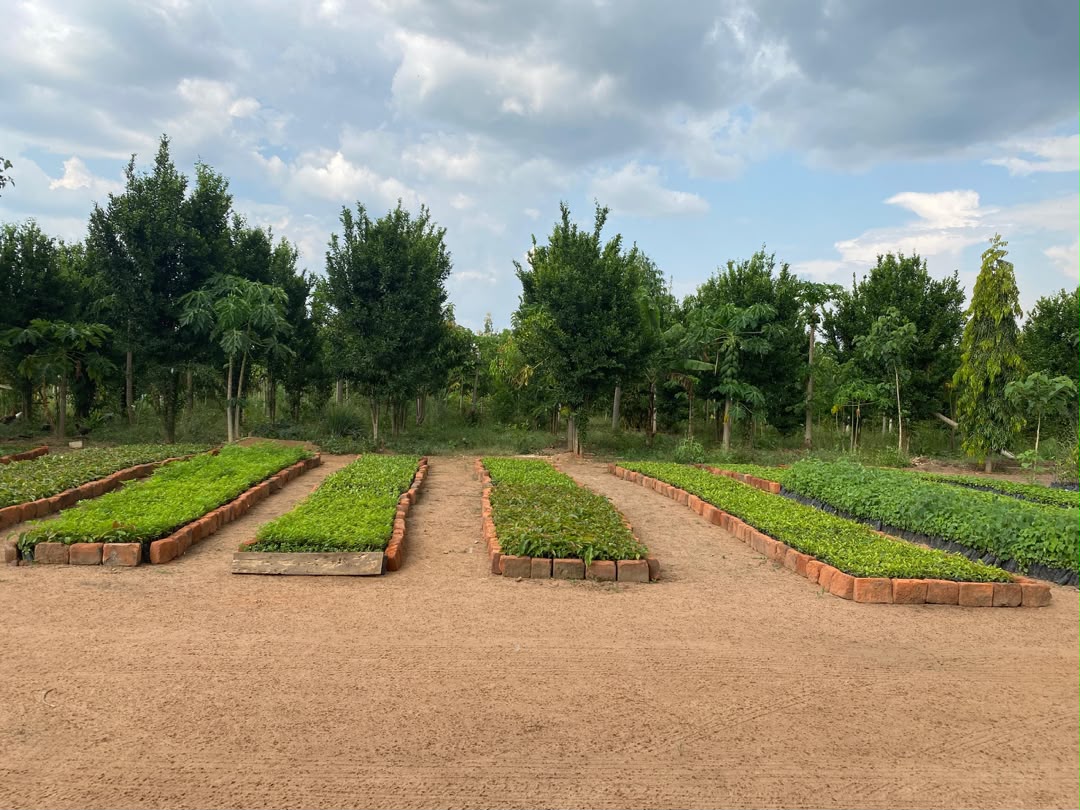
Among those whose livelihoods have been transformed is Kidega Moses, a tree nursery operator from Labong Akwang Parish in Kitgum District.
“I already had a passion for raising seedlings, but I lacked the technical knowledge to scale up,” Kidega said. “ECOTRUST stepped in at the perfect time. Through the training at Namanve Seed Centre and access to quality seeds, I was able to expand my business. Today, my nursery has contributed thousands of trees to our community, proving that landscape restoration can also be a successful business.”
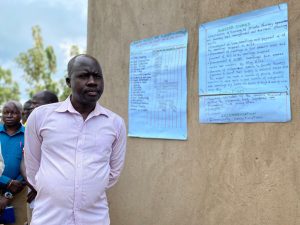
Since joining the project, Kidega has expanded his nursery, created two permanent jobs and more than ten seasonal positions, and earned over Shs25 million from the sale of 51,000 seedlings during 2025 and 2026. He now plans to further expand his enterprise.
Recognising that commercial forestry is a long-term investment whose returns may take decades, the project encouraged farmers to integrate food crops with tree planting to generate income while waiting for their trees to mature.
One of the beneficiaries is Ogaba Sisto, a 52-year-old farmer from Lugwar Parish in Labong Akwang Sub-county, Kitgum District. Under the project, he planted 600 teak trees alongside cassava, millet, maize, groundnuts and simsim, allowing him to meet his family’s immediate needs while investing in a future timber harvest.
The project has also inspired local leaders.
“I have to admit, before today I didn’t have a single tree planted under my name,” said Bosco Oket Yot, the LCIII Chairperson of Labong Akwang. “After seeing what farmers like Sisto and Moses have achieved, especially the sale of 51,000 seedlings, I have changed my mind. I am now committing to become a tree farmer and encourage fellow leaders to lead by example.”
District officials say integrating environmental programmes with government livelihood initiatives will be key to sustaining the gains made.
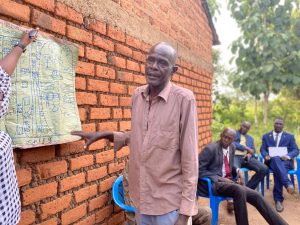
“The success we are seeing is evidence of strong partnerships,” said Among Catherine, Assistant Chief Administrative Officer for Pader District. “Our responsibility now is to integrate these farmers into programmes such as the Parish Development Model and micro-scale irrigation. If farmers can irrigate both their crops and their trees, they can maintain productivity throughout the year and strengthen household incomes.”
For William Komaketch, the Resident District Commissioner of Lamwo District, restoring forests is essential to addressing climate change, but conservation efforts must also respond to the immediate needs of rural communities.
“We are suffering because of our own actions,” he said. “A significant portion of our rainfall is generated by our forests, wetlands and lakes, yet we have continued to destroy them. While tree planting is a worthwhile long-term investment, farmers also need short-term sources of income. Conservation must therefore go hand in hand with livelihood improvement.”
To sustain the momentum beyond the project’s lifespan, ECOTRUST plans to expand support for green enterprises.
“We are planning to establish a beekeeping centre of excellence in Pader and honey collection centres in Lamwo and Agago districts,” said Gerald Kairu, ECOTRUST’s Head of Programmes. “Our goal is to strengthen livelihoods by creating sustainable business opportunities linked to environmental conservation.”
As TASLL concludes, its legacy extends beyond restored landscapes. Across Northern Uganda, the project has demonstrated that protecting forests can also generate jobs, increase household incomes and build resilient rural economies, creating a model where environmental stewardship and economic prosperity reinforce one another.