


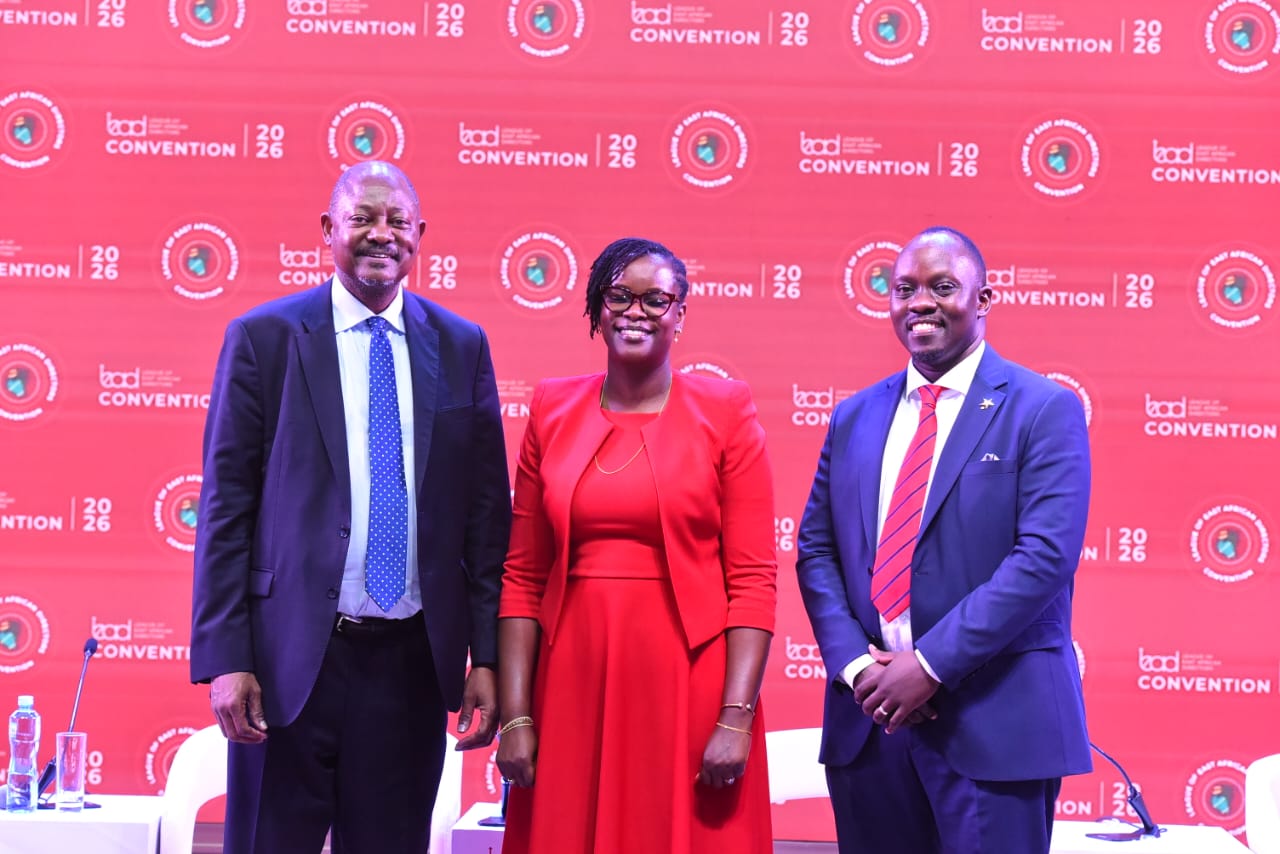
Kampala, Uganda | The League of East African Directors (LEAD) convened over 300 regional and global leaders at the Arirang Hotel in Kampala on April 30, 2026, for the highly anticipated LEAD Convention 2026.
The event, held under the theme “Future-Proofing Business: Risk, Resilience, and Responsibility—Leading Through Uncertainty,” brought together corporate executives, policymakers, regulators, investors, and governance professionals to explore the future of governance and leadership in an era of rapid change.
In his remarks, Dr Martin Odur Otieno, Founder and CEO of The Leadership Group Ltd., called on leaders to move beyond traditional risk management frameworks and adopt a people-centred approach to governance.
“The ultimate hedge against volatility and uncertainty is not a more complex algorithm,” Dr Odur said. “It is a leadership philosophy rooted in empathy, trust, and the restoration of human dignity at the centre of governance.”
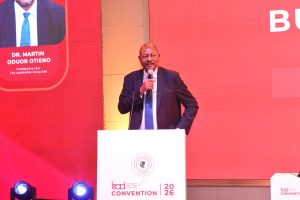
Dr Odur emphasised that while risk registers and audit reports are vital, leaders must look beyond the numbers to focus on the people within their organisations.
He urged leaders to build institutions not just designed to withstand future challenges but also “future-wise” — institutions that can adapt to and thrive in an unpredictable world. “Look at the people,” Dr Odur continued. “Build institutions that are not just future-proof, but future-wise.”
The LEAD Convention 2026 comes at a crucial time as organisations navigate the complexities of geopolitical tensions, technological disruption, climate risks, financial volatility, and evolving regulatory environments. These challenges have placed increasing pressure on boards and leadership institutions to be more anticipatory, resilient, and ethical in their decision-making.
In his remarks, Mr Trevor Ariho, CEO of LEAD, highlighted the growing regional importance of governance excellence: “LEAD was never meant to be confined within the borders of Uganda. We have grown our membership by 47 percent, not as a statistic, but as a signal that leaders across Uganda and the region are awakening to the urgency of structured governance, ethical leadership, and boardroom excellence.”
The Convention’s key objectives included strengthening boardroom capacity in risk governance and strategic foresight, promoting responsible leadership and ethical stewardship, enhancing institutional resilience, and fostering public-private dialogue on economic transformation.
The discussions are aimed at helping organisations transition from reactive to anticipatory governance models, particularly in the face of emerging risks such as digital disruption and cyber resilience.
In a thought-provoking statement, Ms Gertrude Karugaba, Chairperson of LEAD, emphasised the gravity of governance responsibilities, particularly in times of uncertainty: “This room is full of leaders who understand that governance is not a commodity. It is a responsibility that carries weight in the lives of real people.”

She added: “In times of uncertainty, the boundaries between board and management matter most. Our role is to set the strategic direction, to determine the risk appetite, and to hold management accountable. Our work is to listen, to challenge, to question, but never to do.”
As the premier regional professional body for corporate governance, LEAD plays a pivotal role in advancing leadership excellence across East Africa. The Convention is expected to culminate in a regional governance communiqué that will outline shared priorities, policy recommendations, and enhanced collaboration between public and private sector stakeholders.
The LEAD Convention 2026 represents a landmark opportunity to elevate East Africa’s global profile in governance leadership, strengthen investor confidence, and drive sustainable economic transformation across the region.