


Kenya and Uganda have begun implementing a Mutual Recognition Agreement (MRA) on goods, a move expected to ease cross-border trade by reducing delays and duplication in standards compliance.
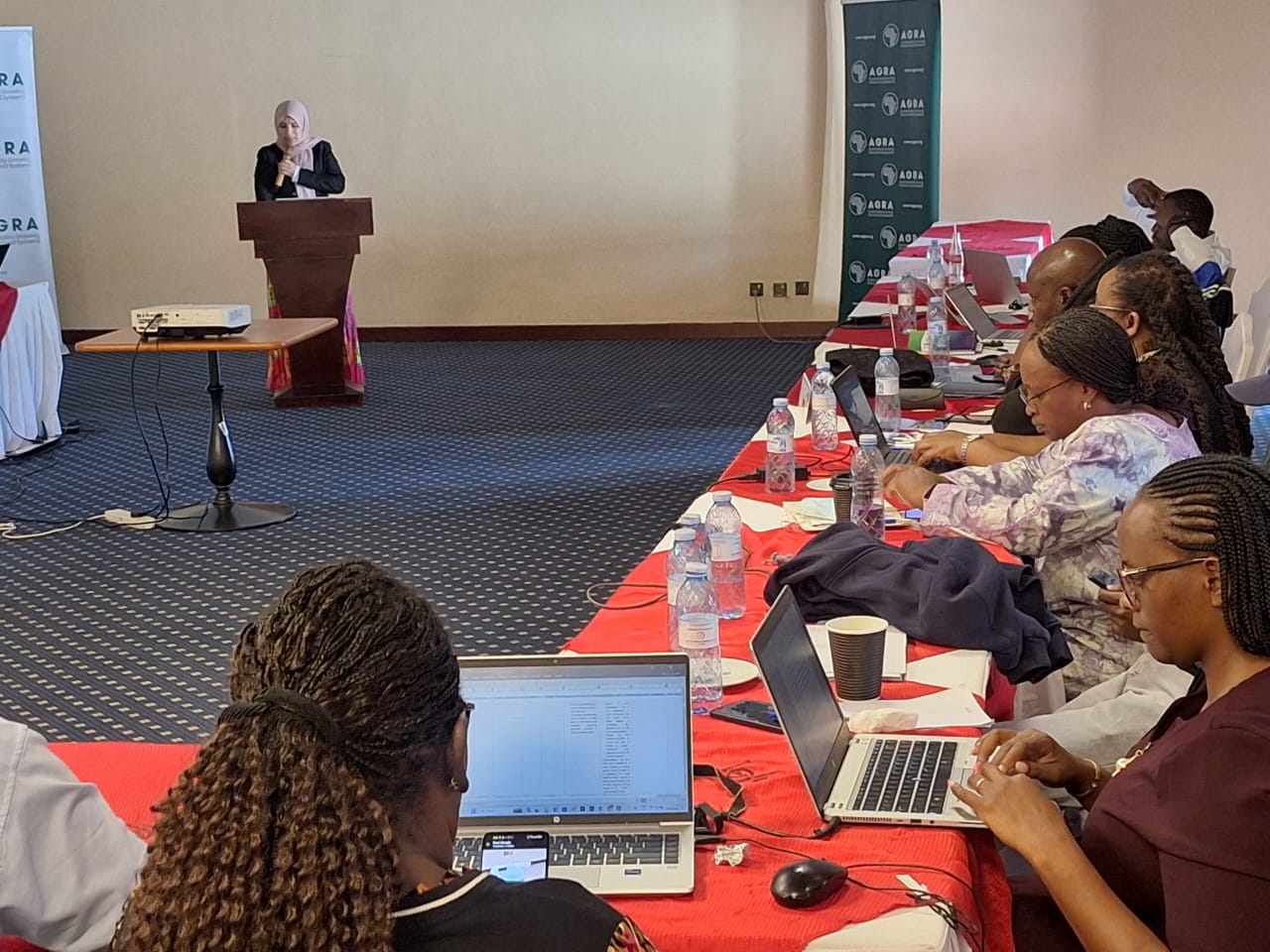
The two countries convened a post-signature capacity-building workshop this week in Entebbe, Uganda, facilitated by COMESA, to develop a joint implementation plan for the agreement signed in Lusaka, Zambia, in December last year.
The MRA allows both countries to mutually recognise conformity assessment results, including testing, inspection and certification, conducted by accredited institutions in either Kenya or Uganda. This means goods that meet agreed standards in one country will not require repeat testing at the border.
Speaking at the workshop, the AGRA Uganda Country Director, Mr. David Wozemba, described the agreement as a practical step toward unlocking regional trade benefits.
“When borders become bridges, markets grow stronger, farmers earn more and communities thrive,” Mr. Wozemba said. “By mutually recognising conformity assessment, Kenya and Uganda are removing one of the most persistent bottlenecks to cross-border trade, costly delays and duplications, and replacing it with trust, efficiency and opportunity.”
The agreement is expected to lower transaction costs for traders while improving market access for farmers and processors, particularly in agriculture and food commodities.
The MRA aligns with broader regional efforts to harmonise standards and strengthen competitiveness across member states. Coordinated enforcement by regulators and border agencies will be essential for the agreement to work in practice.
Mr. Wozemba linked the agreement to wider food security concerns, noting that regional trade plays an increasingly important role amid climate shocks and global supply-chain disruptions.
“Trade is key for food security in a changing climate and in a world of failing global supply chains,” he said. “It allows food to move from surplus to deficit areas, enhancing availability to vulnerable communities. Africa needs a resilient food system.”
Participants at the workshop discussed aligning inspection procedures, strengthening the capacity of conformity assessment bodies and improving information sharing between agencies in both countries.
MRA complements AGRA’s work in Uganda and the region to support structured trade, standards compliance and market access for farmers and agribusinesses.
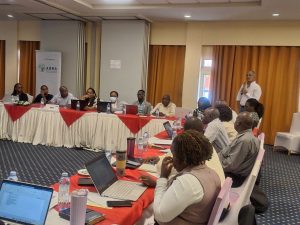
“This agreement is a bold statement of commitment to unlocking benefits for farmers, traders and consumers,” Mr. Wozemba said, expressing optimism that a clear and jointly agreed implementation plan would guide the next phase.
The implementation roadmap is expected to be finalised in the coming months, alongside training for border officials to ensure consistent application of the agreement.