


Every year on 3rd March, the world comes together to mark World Wildlife Day. It is a day to celebrate the beauty and importance of wild animals and plants. But more than that, it is a reminder that nature is not separate from us. Our health, culture and livelihoods are deeply connected to the natural world.
The theme for 2026, “Medicinal and Aromatic Plants: Conserving Health, Heritage and Livelihoods,” speaks directly to our daily lives. Many of us have grown up seeing herbs used to treat coughs, stomach aches, wounds or fevers. Across the world, millions of people depend on wild plants for medicine, food and income. The World Health Organisation (WHO) estimates that 70% – 95 % of people in developing countries rely on traditional medicine, much of which is plant-based for primary healthcare. These plants are not just part of the forest- they are part of our homes.
Yet these important plants are under threat. Overharvesting, deforestation, climate change and illegal trade are putting pressure on many species. More than 20% of medicinal and aromatic plants are at risk of extinction on the International Union for Conservation of Nature (IUCN Red List) due to habitat loss, overharvesting, illegal trade and other pressures. World Wildlife Day 2026 encourages us to learn about these plants, value their contributions, and protect them so that future generations can also benefit from their healing power and cultural significance.
Here in Uganda, we are blessed with rich biodiversity. From the forests of the Albertine Rift to the slopes of Mount Elgon, nature provides plants that heal families and support livelihoods. For many rural communities, wild plants are both a pharmacy and a source of income. Our biodiversity is truly a national treasure.
The Environmental Conservation Trust of Uganda (ECOTRUST) understands this strong link between people and nature. Since 1999, ECOTRUST has worked to conserve Uganda’s natural landscapes while improving community livelihoods. Through conservation finance and its Trees for Global Benefit project, the organisation supports smallholder farmers to plant and manage trees sustainably. This restores degraded land, improves soil health, generates income through carbon markets, and reduces pressure on natural forests that host many medicinal and aromatic species.
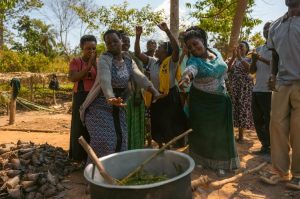
A powerful example of this impact can be seen in Kikuube District, where ECOTRUST supports the Tree Nature Women’s Group in Kidooma. The women, many of whom participate in the Trees for Global Benefit project, run indigenous tree nurseries and grow species such as; Prunus africana and other valuable trees.
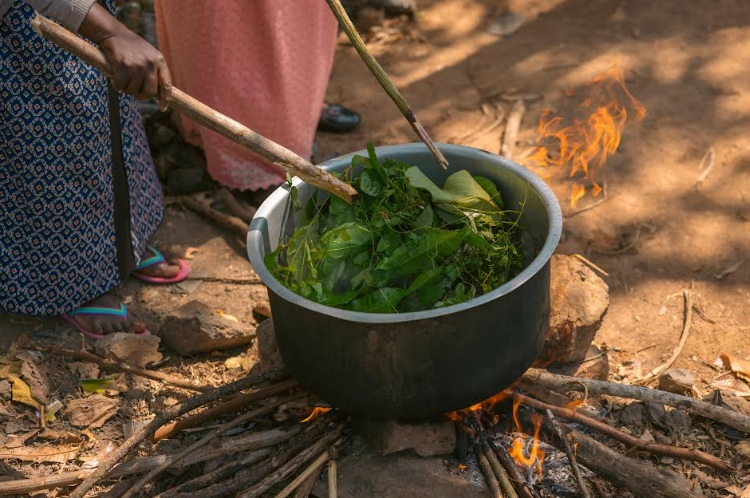
During a recent donor visit by representatives from the International Institute for Environment and Development (IIED) and the Swedish International Development Agency (SIDA) supported by ECOTRUST, the group demonstrated how they use extracts from the trees they grow to prepare herbal medicines. The visitors witnessed the women brewing herbal remedies, which they say help manage ailments such as high blood pressure and diabetes.
Beyond herbal medicine, the group has diversified into arts and crafts, producing baskets, bags, table mats, and hats. They are also exploring natural soap production using plant-based ingredients. What began as an effort to fight poverty has grown into a conservation-based enterprise that restores landscapes while improving household incomes.
Through training in nursery establishment, business planning and sustainable land management, ECOTRUST empowers communities to see trees not as resources to be cleared, but as long-term assets that support health, heritage and livelihoods. By linking conservation to economic benefits, communities are motivated to protect forests and the medicinal plants they contain.
World Wildlife Day is therefore not only about awareness; it is about action. It calls on policymakers, conservationists, youth groups, schools and rural communities to value traditional plant knowledge, promote sustainable harvesting, and protect the habitats that nurture medicinal and aromatic species.
When we conserve wild plants, we conserve our own health, culture and future. As we mark World Wildlife Day 2026, let us celebrate the plants that heal us and recognise the communities, like those supported by ECOTRUST, who are proving that conservation and development can grow together.