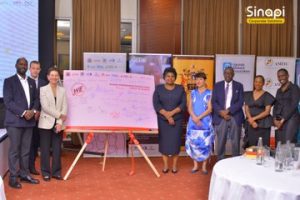



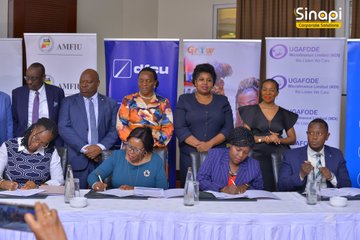
In a landmark move to strengthen financial inclusion for women entrepreneurs, Uganda last month launched the Women Entrepreneurs Finance Code (WE Finance Code) at Serena Hotel, Kampala.
The initiative brings together financial institutions, regulators, and development partners to align on commitments and next steps to support women-led micro, small, and medium enterprises (MSMEs) across the country.
Hon. Dr Peace Regis Mutuuzo, State Minister for Gender and Culture, emphasised the central role of women in Uganda’s development. “Globally, women’s economic empowerment is recognised as crucial for sustainable development. I urge men to support women in their development endeavours, as we continue to make progress in business and other sectors,” she said.
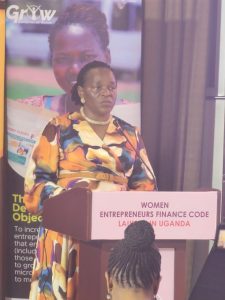
Dr Francisca Ayodeji, Country Manager for the World Bank Uganda, highlighted the global recognition of women’s economic contributions: “Globally, leaders now recognise that women’s economic empowerment is essential to sustainable development.”
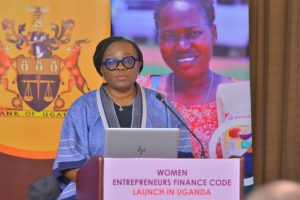
Richard Byarugaba, Executive Director of Finance, Planning, and Investment at the Private Sector Foundation Uganda (PSFU), reaffirmed the private sector’s commitment to the initiative: “The private sector, through PSFU, is committed to supporting this Code. We pledge to increase access to finance for women and will continuously monitor the progress made by our signatory institutions.”
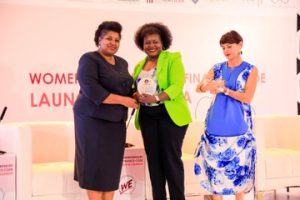
Alex Asiimwe, Commissioner of Labour, Industrial Relations, and Productivity at the Ministry of Gender, Labour, and Social Development, also spoke on behalf of the government: “The Ministry is driving concerted efforts in the public and private sectors to improve access to finance for women entrepreneurs. This event was endorsed by key stakeholders, including the Permanent Secretary of the Ministry of Gender and PSFU, reflecting strong cross-sector collaboration.”
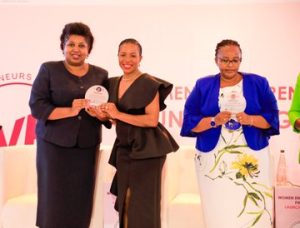
PSFU Board Vice Chair Sarah Kagingo praised the collaborative effort, stating: “This Code is a major step toward equitable financing for women-led enterprises. We applaud the GROW team, the World Bank, and our partners for making this launch possible.”

Financial institutions, including Centenary Bank, Absa Bank Uganda, Pride Bank, and Standard Chartered Bank, signed on to specific commitments under the Code. These include strengthening institutional leadership to prioritise gender-responsive finance, improving data collection and analysis on women’s financial needs, enhancing service quality, and expanding financial products for women entrepreneurs.
Godfrey Mutumba, Head of Credit at Centenary Rural Development Bank, affirmed the financial sector’s commitment: “We are dedicated to playing our part in closing the gap for women entrepreneurs by enhancing services, leadership, and financial solutions targeted at women-led businesses.”

The WE Finance Code, following a global meeting in Marrakech, Morocco, aims to create a more inclusive financial ecosystem in Uganda. By improving access to finance and economic opportunities for women-led businesses, the initiative is poised to become a powerful driver of sustainable growth and gender equality in the country.