


KAMPALA — Uganda must move beyond periodic cleaning exercises and build a waste management system that separates, reuses, recycles and safely disposes of different waste streams, engineers and environmental experts have said.
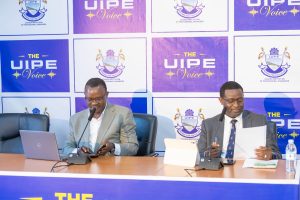
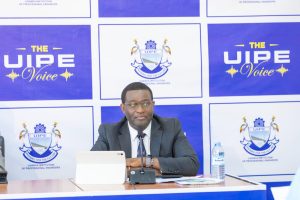
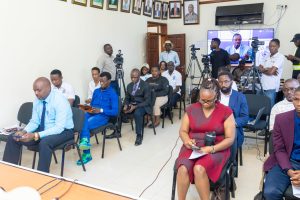
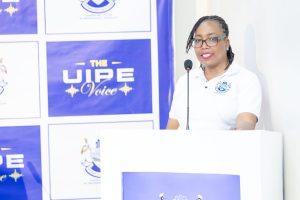
Speaking during The Uganda Institution of Professional Engineers (UIPE) Voice 3rd Edition, a monthly press and general public briefing on tropical engineering issues, Associate Professor Charles B. Niwagaba of Makerere University said the national cleaning exercise was a useful beginning, but its success would ultimately depend on changing how Ugandans understand and handle waste.
Niwagaba, an Associate Professor of Civil and Environmental Engineering specialising in sanitation, waste management and environmental management, said mobilising citizens to clean their homes, compounds and roads could help create a culture of responsibility.
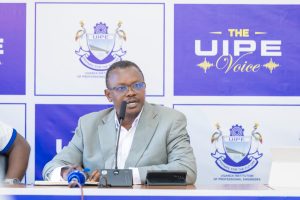
“In my opinion, this is a very good thing at the moment,” Niwagaba said.
He said the exercise should be understood as part of a broader “mindset change”, rather than simply an effort to remove garbage from streets. “The entire waste management system can only really be transformed and become what we want it to be if all of us change our minds regarding waste management,” he said.
Niwagaba said the first cleaning exercise also exposed gaps in waste transportation, with large volumes of garbage reportedly accumulating along roads because available trucks could not remove it quickly.
“Because of that, a lot of solid waste was brought onto the roads. It challenged the available means of transporting it,” he said.
He warned that leaving organic waste on roads for several days could worsen conditions because of Uganda’s warm climate. “When it starts rotting, obviously it starts smelling,” he said. “And when it starts smelling, the public will come and say: ‘We expected that the cleaning was going to make the situation better, and now it is making it worse.’”
He said authorities should ensure that future cleaning exercises are accompanied by sufficient transportation so that waste is moved quickly to disposal or processing facilities.
Waste can have value
Niwagaba challenged the perception that everything thrown away is simply garbage, introducing the concept of “clean waste” — material separated from other waste streams and therefore suitable for reuse, recycling, composting or energy production.
“We know that waste is valuable, provided it is collected in a certain manner and provided we can separate the various waste streams,” he said. “In the language of waste management, when the different streams are separated, we call it clean waste.”
He said organic waste such as banana peelings could be composted, used in agriculture or turned into animal feed, while plastics and other materials could be collected for recycling.
Niwagaba said he separates waste at his own home and composts organic material for growing vegetables and beautifying his compound. “In fact, my problem at home now is that we don’t generate enough waste. It is too little. It is not enough for me to make the compost that I need,” he said.
However, he acknowledged that household separation becomes ineffective if waste collectors later mix everything in the same truck. “It makes little sense if you collect or sort your waste at home, but eventually it is mixed when it is being transported and delivered to the final disposal facility,” he said.
Waste-to-energy potential
Niwagaba said Uganda’s large proportion of organic waste also presents an opportunity for renewable energy.
Based on waste characterisation studies he has conducted in different parts of Uganda, he said organic material accounts for between 70% and 90% of solid waste in many areas. “This waste is generally highly organic, but wet also because of our own conditions,” he said.
He said such waste was suitable for anaerobic digestion, through which organic material is broken down without oxygen to produce biogas. “Anaerobic digestion can be part of the mix of technologies that can be implemented,” he said.
He also said compost could become a commercial product, noting that larger-scale operations could generate income while reducing pressure on landfills.
Engineers urged to commercialise innovations
Niwagaba urged engineers and scientists to take their innovations beyond laboratories and universities and demonstrate them to potential users and investors.
“Sometimes, if we say government is not picking up what we are doing, it may simply be because they don’t know about it,” he said. “We need to do a bit more. Let us show our work. Let us exhibit it. Let us go out there and demonstrate. Let us show that we have solutions.”
He cited opportunities around the closure and sustainable management of the Kiteezi landfill, saying engineers, biologists and chemists could collaborate and submit practical solutions when government invites expressions of interest.
UIPE promises regular updates
UIPE President Eng. Counsel Peterson Mwesiga said the institution was increasingly using its platforms to update members and the public about its activities instead of waiting for the annual general meeting.
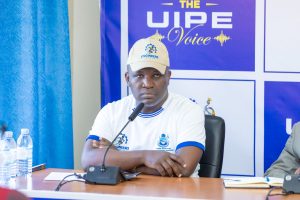
He said the institution had promised members that every month would not have to become an AGM simply to account for its activities. “We want our members to know what is happening regularly,” he said.
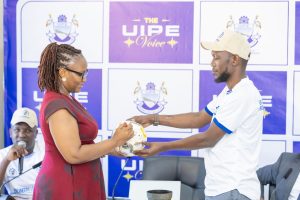
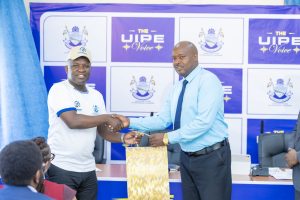
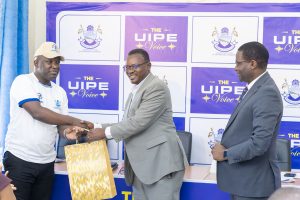
The engagement also included discussions on transport, the signing of a memorandum of understanding with a partner and the launch of the Engineers’ League. “We thought it would be useful to take advantage of this platform to conduct the signing,” he said.
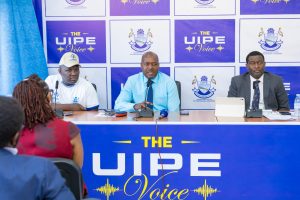
UIPE Vice President for Finance and Administration, Dr Eng. Martin Kalibbala, also presented an update on the institution’s finances, administration, achievements and challenges.
Launch of the Engineers’ League
Kalibbala said the presentation was intended to keep members informed rather than requiring them to wait for the Annual General Meeting (AGM).
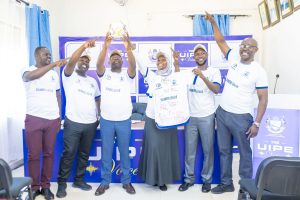
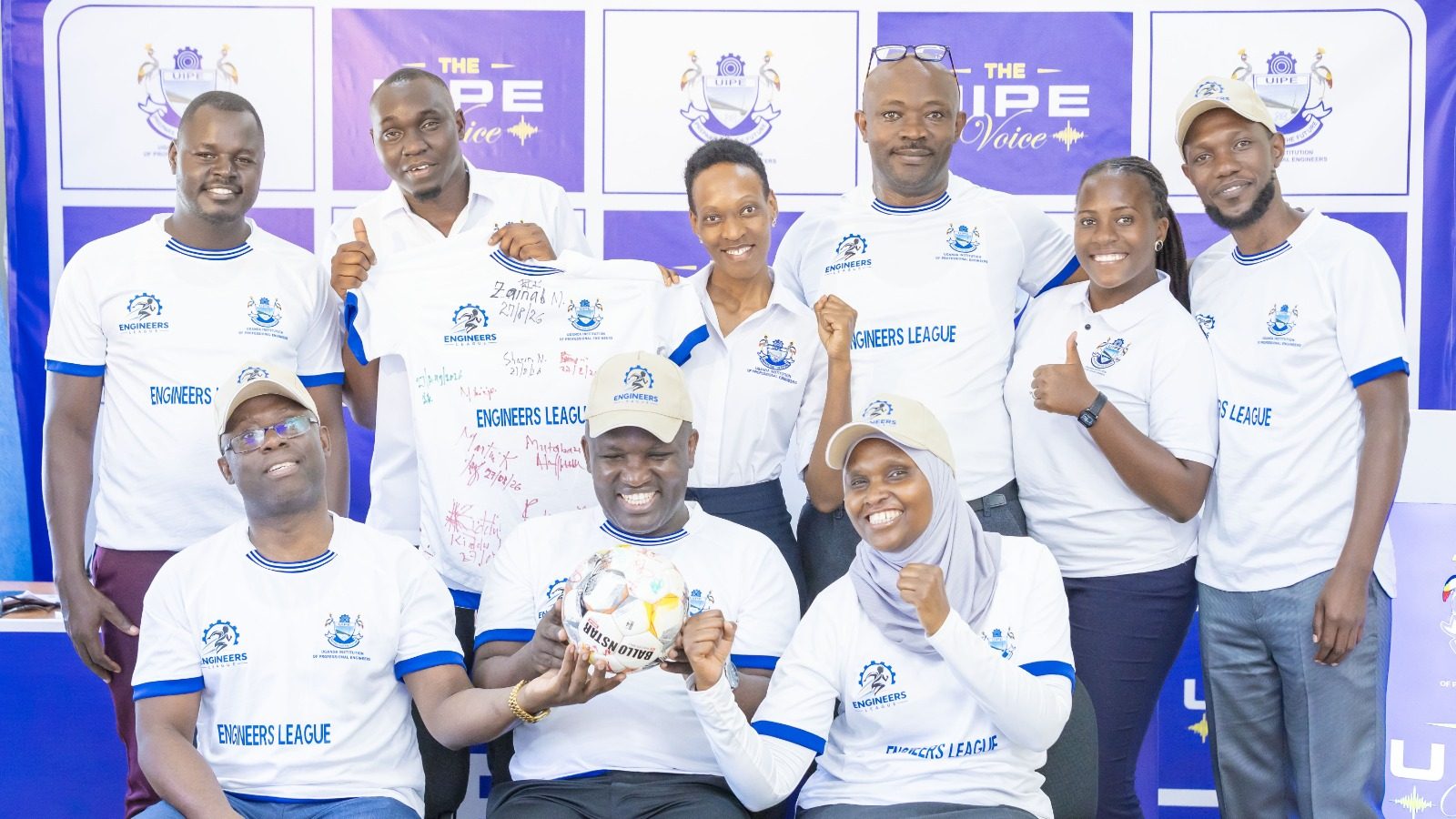
The event, held at the Kyambogo Secretariat, also saw the launch of the Engineers League.
Chaired by Andrew Chido Kawooya under the initiative of UIPE President Eng. Peterson Mwesiga, the multi-sport platform features football as its flagship event to promote wellness and fraternity.
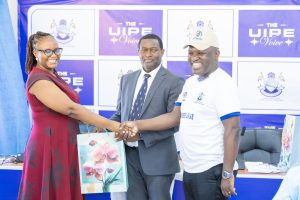
Team registrations are slated to open in early September 2026 to foster mentorship, networking, and fitness across all eight UIPE branches.


The league’s key goals include: promoting health and wellness for professionals, building unity, networking, friendships, and mentorship across the fraternity (without workplace hierarchies) and eventually fielding a team in corporate leagues and expanding to inter-branch competitions across UIPE’s eight branches.