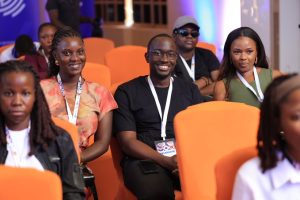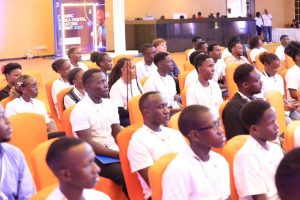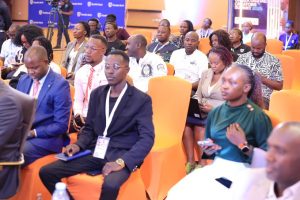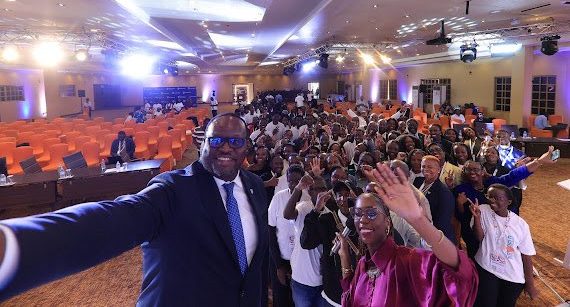
Speke Resort Munyonyo — Uganda’s fast-growing creator economy took centre stage on Thursday as Stanbic Bank Uganda convened the inaugural Stanbic Ongea Digital Creators Summit, bringing together regulators, creators, industry leaders, and media partners for a high-level dialogue on the future of the country’s digital and creative industries.
The summit—one of the most comprehensive gatherings of digital creators and policymakers to date—focused on unlocking economic value, strengthening regulatory frameworks, monetising talent, and expanding digital access across Uganda.
Creativity is an economic opportunity
Stanbic Bank Uganda Chief Executive Mumba Kalifungwa set the tone, noting that Uganda must start treating creativity as a serious economic sector.

“Creativity is an economic opportunity, not a side activity,” Kalifungwa said. “Uganda’s young creators need an ecosystem that supports real growth—not only in followers, but in revenue, partnerships, and long-term careers.”
He urged creators to sharpen their skills, invest in knowledge, and pitch to the right people. “If you pitch to someone whose role is not aligned with creativity, they may not understand the value you bring,” he said. “So invest time in understanding the businesses you want to work with.”

Kalifungwa also emphasised scale and collaboration as Uganda’s competitive advantage: “Think partnerships. Think scale. There is strength in working together—far more than what any of us can achieve alone.”
He added that with Uganda’s population nearing 50 million people and digital access expanding, the country offers a massive domestic market for creators. “When your value is clear, the market follows. People pay for quality,” he said.

Kalifungwa announced that Stanbic aims to make Ongea an annual flagship event: “This is only the beginning. We intend to establish this gathering as a yearly platform for creators, regulators, platforms, and partners to craft solutions for the future.”
Digital technology is now “the backbone” of national development
The Executive Director of the Uganda Communications Commission (UCC), George William Nyombi Thembo, called the summit timely and transformational. “Digital technology is no longer a luxury—it is the backbone of national development, business competitiveness, and citizen empowerment,” Nyombi Thembo declared.

He reaffirmed UCC’s commitment to supporting creators and strengthening Uganda’s digital infrastructure: “We are very happy to be here, and I can promise that we shall move together, ensuring our creators are supported to turn their craft into sustainable businesses.”
The UCC CEO pledged closer collaboration with industry partners: “We align with the powerful message shared today. Digital technology is the engine driving Uganda’s economic future.”

Uganda’s Digital Landscape: Opportunity Meets Challenge
According to John Ssenkeezi, President of the Uganda Digital Society (UDS), Uganda’s mobile ecosystem represents a huge opportunity for content creators: 5.6 million basic phones, 31.5 million feature phones and 19 million smartphones. “This is an opportunity to be tapped into,” Ssenkeezi said.
He, however, outlined major obstacles: “Creators increasingly contribute to financial inclusion, digital entrepreneurship, and national brand visibility—but face monetisation challenges, intellectual property gaps, and high data costs.”
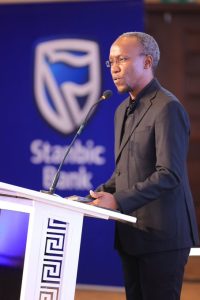
He advised creators to choose platforms based on cost and efficiency: “Platforms consume data differently, so knowing what fits your budget and workflow is key.”
Deeper connectivity
From NITA-Uganda, Executive Director Dr Hatwib Mugasa revealed ongoing efforts to expand broadband access: “We’re working to ensure every part of Uganda has stable internet connectivity. In response to tourism concerns, we’ve installed NITA-U Free WiFi at key sites and accommodations to boost access for tourists.”

Stanbic Bank’s Israel Arinaitwe encouraged creators to formalise their earnings: “We’re here to help creators grow with financing and digital support. But it starts with you—bank your earnings. Strong financial records open the doors to bigger opportunities.”
In a candid session featuring creators Alukames and Ian Kiryowa, panellists highlighted the gap between creator expectations and industry realities.

Brian Semakula of UDS said creators must be mindful of how they are perceived: “As creators, we are not aware of how we are perceived by clients. How we present ourselves matters.”
FUFA Commercial Director Ian Kiryowa pointed to poor collaboration: “Consumers want to see us in one picture, but creators want to work alone. As a creator, you need the community, the skill, and the knowledge.”

UDS’ Patricia Kahili addressed monetisation challenges: “We often fail to make money simply because we don’t know how to monetise what we do. Investing in learning—and sharing that knowledge—is the first step.”
From Stanbic, Paul Busigye urged creators to reinvest in their craft: “You can’t earn from what you don’t invest in. Stanbic’s Unit Trust programmes are designed to help you grow your financial earnings.”

Platforms need more creators, not just consumers
Clifford Mugerwa from Artfield Uganda emphasised the need for consistent content creation: “Platforms like TikTok can only establish creator hubs or funds when creators are producing enough content. Right now, most TikTok users in Uganda are consumers, not creators.”
Summit convener Joseph Kanyamunyu thanked Stanbic for taking a bold lead: “With Stanbic’s support, we’re building a platform that empowers young content creators with skills and opportunities to transform their livelihoods.”

The Stanbic Ongea Digital Creators Summit made a shared call to action: strengthen collaboration, professionalise the creator industry, expand digital infrastructure, protect creators through regulation and monetise talent with smarter ecosystems.