



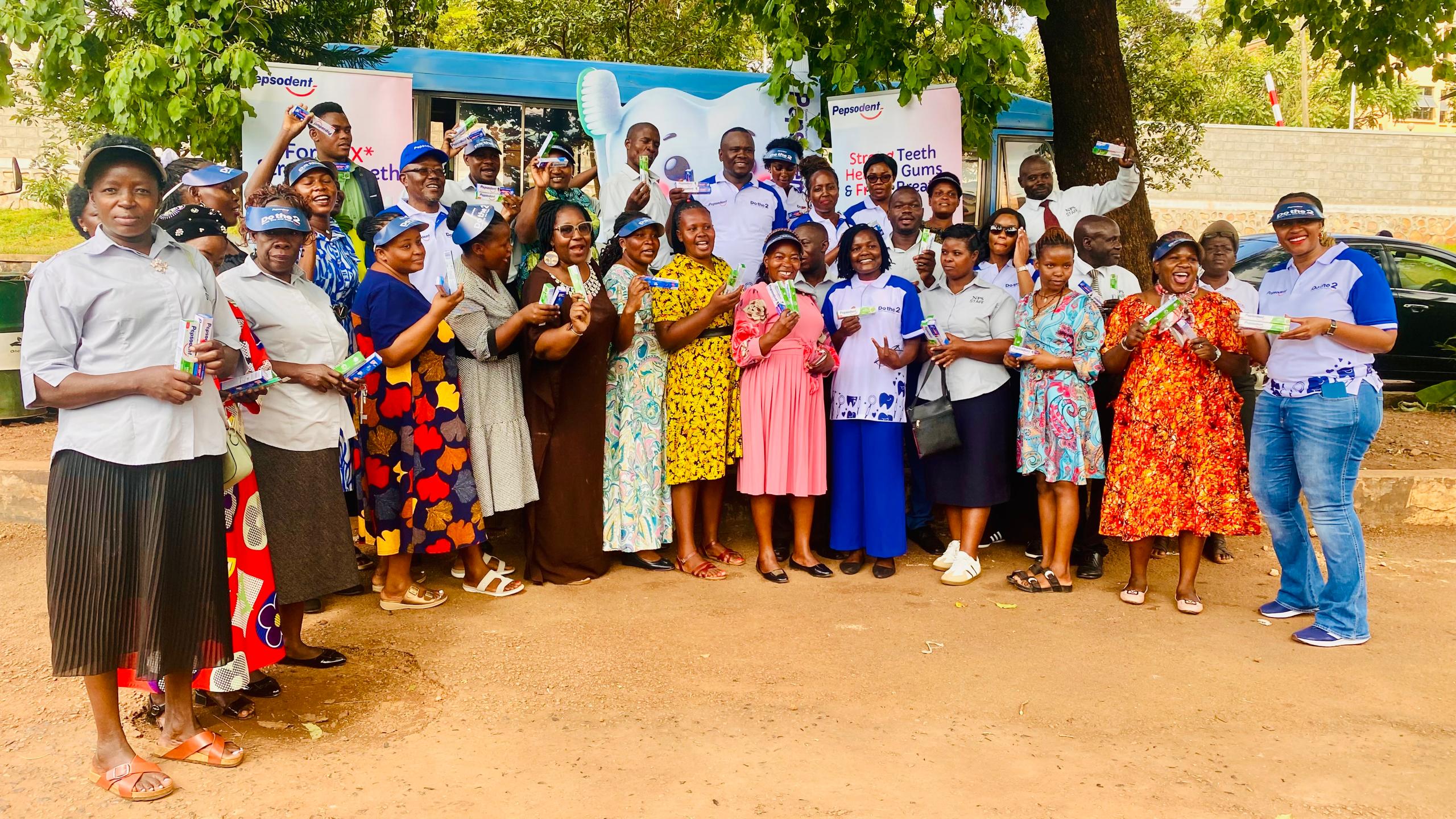
Unilever Uganda, through its oral care brand Pepsodent, has launched a school outreach campaign targeting 100,000 pupils across 40 primary schools in Kampala and Wakiso District, aimed at improving oral hygiene habits among children.
The campaign, rolled out to mark World Oral Health Day, is being implemented under the theme “Do the 2 – Brush Day and Night,” encouraging children to brush their teeth at least twice daily to prevent tooth decay and gum disease.
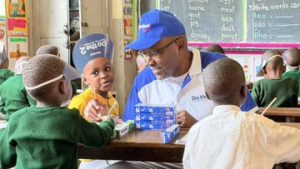
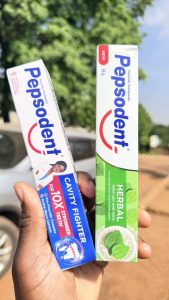
Through interactive school-based sessions, pupils are being educated on the importance of proper oral hygiene, correct tooth-brushing techniques, and the role of daily habits in maintaining a healthy mouth. The programme also includes the distribution of oral care products, enabling learners to practise what they are taught both at school and at home.
Speaking during an outreach activity at Nakasero Primary School, Luck Ochieng, Managing Director of Unilever East Africa, said the campaign seeks to build healthy habits among children at an early age.
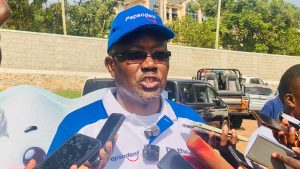
“Building the habit of brushing twice a day from a young age is one of the most effective ways to prevent oral health problems,” Ochieng said. “Through the ‘Do the 2’ campaign, we are empowering children with simple, practical habits that support healthier smiles and better wellbeing.”
He explained that the initiative aims to reach 100,000 school-going children in 40 schools across Central Uganda, specifically in Kampala and Wakiso districts.
“Today we spent time educating the children on how to brush properly, the type of toothpaste to use, and the importance of maintaining good oral hygiene. Oral health is very important for their confidence and overall wellbeing,” he said.
Ochieng noted that early intervention is critical in addressing oral health challenges, many of which develop gradually over time due to poor hygiene habits and dietary choices.
“Statistics show that globally more than 3.5 billion people suffer from various forms of oral and dental health issues. Many of these problems tend to manifest later in life, yet they are often preventable when good habits are formed early,” he said.
According to him, schools provide an effective platform for shaping lifelong health behaviours. “Schools present a massive opportunity for us to influence young people early because you are able to reach many children in one place and shape behaviours that will influence the rest of their lives,” Ochieng added.
He also pointed out that dental problems can affect children’s education. “Research shows that many school-going children miss school because of dental issues such as cavities. By teaching proper oral hygiene early, we help improve their health, wellbeing and confidence,” he said.
Ochieng encouraged parents to reinforce the message at home by guiding their children on proper oral care.
“Our message to parents is simple — ‘Do the Two.’ Children should brush at least twice a day, once in the morning and once in the evening, using fluoride-based toothpaste. Making brushing fun helps children build habits they can carry for the rest of their lives,” he said.
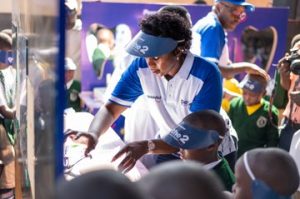
Teachers at participating schools welcomed the initiative, saying it helps learners develop healthy habits that also improve their learning experience.
Angela Kisolo, Deputy Head Teacher of Nakasero Primary School, said the programme has helped sensitise pupils about the importance of oral hygiene.

“We are quite excited, as Nakasero Primary School, to host Unilever as we celebrate World Oral Health Day. Our children have been involved in the activities, and they are really sensitised. I believe they are going to keep their teeth healthy,” Kisolo said.
“As an educationist, this means a lot. First of all, it gives children confidence to interact with each other because their mouth has a nice odour. Secondly, it helps them concentrate in class because you can’t concentrate when you have bad breath,” she added.
According to Uganda’s National Oral Health Policy, oral diseases remain a significant public health concern, with prevention and early education identified as key strategies in reducing the burden of dental conditions. School-based programmes are therefore seen as critical in shaping lifelong health behaviours.
Globally, the World Health Organisation estimates that oral diseases affect nearly 3.5 billion people, making them among the most common health conditions worldwide.
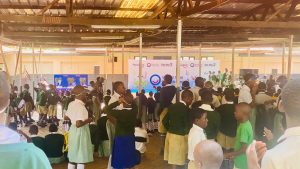
Through the Pepsodent school campaign, Unilever Uganda aims to positively impact 100,000 pupils in the Central Region, reinforcing its commitment to improving health outcomes and promoting preventive care through everyday habits.